Photo by Neneqo Fotógrafo
In February 2026, ten workers employed by Canadian mining company Vizsla Silver Corp. were abducted at gunpoint from a remote project site in the mountains of Sinaloa, Mexico. Five of them were later found dead. The attack, which Mexican authorities have linked to a faction of the Sinaloa cartel, has shaken the foreign mining sector in Mexico and forced difficult questions about how companies and governments protect workers in regions dominated by organized crime.
The abduction in the hills above Mazatlan
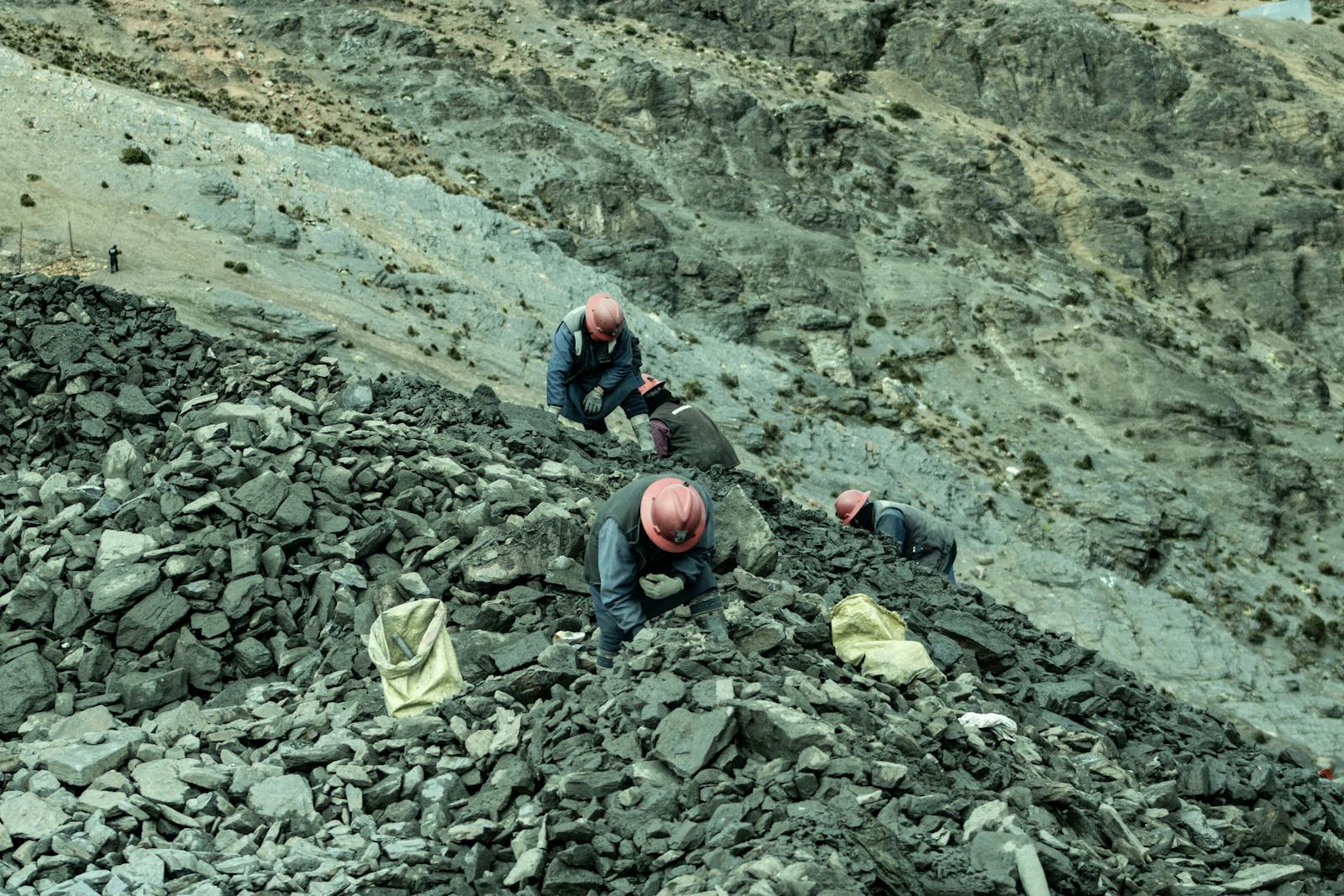
The workers were taken from Vizsla Silver’s Panuco project, a silver and gold exploration site in the municipality of Concordia, Sinaloa, roughly 50 kilometers inland from the Pacific resort city of Mazatlan. The area sits in the Sierra Madre Occidental, where paved roads give way to dirt switchbacks and where armed groups have controlled movement through the backcountry for years.
According to Border Report journalist Julian Resendiz, a convoy of gunmen intercepted work vehicles on a mountain road connecting the project to the coast. The attackers rounded up the employees and forced them into vehicles that disappeared into the hills. Resendiz reported that the region had seen at least 33 security incidents tied to organized crime in recent months, underscoring how routine such violence has become in rural Sinaloa.
The abduction unfolded far from Mazatlan’s tourist infrastructure, in a zone where cartel checkpoints function as an informal border. Local residents told Mexican media that armed men had been increasingly visible on the roads in the weeks before the attack.
Who the workers were
The ten included a mix of miners, geologists, engineers and environmental specialists. They worked for Vizsla Silver Corp., a Vancouver-based exploration company listed on the TSX Venture Exchange and the NYSE American. The company has been developing the Panuco silver-gold district since 2019, describing it as one of the highest-grade undeveloped silver projects in Mexico.
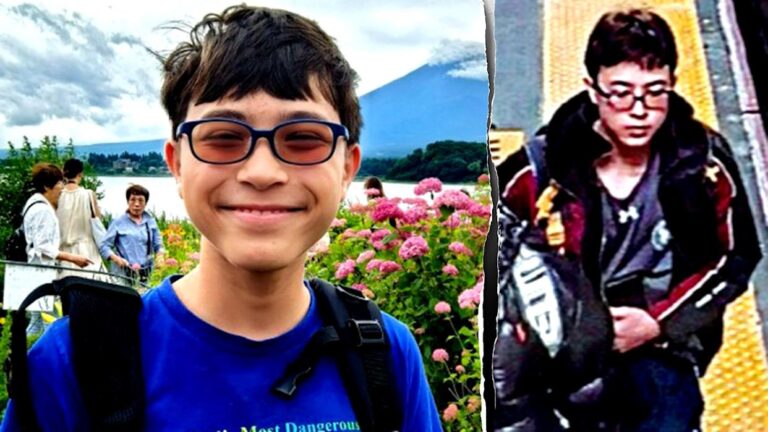
These were not short-term visitors. Many had spent years rotating between the Sinaloa camp and their homes in Canada. Relatives of Antonio Esparza, one of the ten, told the Los Angeles Times that he had become a bridge between communities in Mexico and Canada, sending money home while helping newer workers adjust to life at the site. His family described a pattern of low-level threats in the area that had persisted for years, even as the company and local officials promoted the project as an economic lifeline for Concordia.
Mexican officials blame cartel “mistaken identity”
Within days, Mexican authorities offered an explanation: a local cell of the Sinaloa cartel had mistaken the mining convoy for a rival armed group moving through its territory. People magazine reported that officials described the abduction as a case of bad intelligence by the gunmen, who believed they were intercepting enemies rather than geologists and technicians.
The theory was not implausible on its face. The Sinaloa cartel has been fractured by internal warfare since the 2023 arrest of Ovidio Guzman Lopez, and rival factions have been fighting for control of mountain corridors used to move drugs toward the coast. Security analysts have long noted that cartel operatives monitor traffic on remote roads and treat unfamiliar convoys as potential threats.
But the explanation drew skepticism. Critics quoted in the LA Times investigation argued that blaming a mix-up risked distracting from structural failures. The mine sat in a known conflict zone, yet security amounted to sporadic military patrols and informal arrangements with local power brokers. One analyst noted that experienced cartel cells operating on home terrain would typically know the difference between a mining crew and an armed rival column, raising questions about whether the “confusion” narrative was designed to shield officials from accountability.
Five found dead, five survivors recovered
The worst fears were confirmed on February 9, 2026, when Vizsla Silver issued a statement saying that five of the abducted workers had been found dead. Reuters reported that the bodies were recovered along a road in the municipality of Concordia. Forensic teams worked to confirm identities using DNA samples and personal effects, a process that stretched over several agonizing days for families waiting in both Mexico and Canada.
The remaining five workers were eventually recovered alive, though details about the circumstances of their release have not been made fully public. Vizsla Silver confirmed in a subsequent corporate update that all surviving employees had been accounted for and that the company was providing medical and psychological support.
Relatives described the ordeal of waiting outside morgues and government offices for information. One family member, speaking to the LA Times, said the silence from authorities in the first 48 hours was almost as terrifying as the abduction itself.
Security gaps around foreign-owned mines
The attack did not happen in isolation. Mexico is the world’s largest silver producer and hosts hundreds of mining projects operated by Canadian companies. The sector accounts for billions of dollars in foreign direct investment and tens of thousands of jobs in rural states. But the promise of economic development has long coexisted with the reality that many mine sites sit in territory where the state has limited reach and criminal organizations set the rules.
Reporting on the Vizsla Silver case revealed that local management had previously negotiated access and safe passage with armed groups in the area. That kind of off-the-books coordination is common in parts of Mexico where government presence is thin, but it leaves workers dangerously exposed when agreements collapse or rival factions move in.
Families of the abducted workers told reporters they had heard about earlier threats and smaller incidents at the site that never made headlines. Several described being torn between the financial lifeline that mining wages provided and the constant fear of sending a loved one back to a camp surrounded by cartel activity.
The Canadian mining industry’s trade group, the Mining Association of Canada, issued a statement calling for improved security protocols at remote sites, though it stopped short of recommending that companies withdraw from high-risk Mexican states.
Diplomatic fallout and what comes next
The abductions triggered a diplomatic response. Canada’s Department of Global Affairs confirmed it was in contact with Mexican authorities and providing consular assistance to the families of the victims. Prime Minister Mark Carney, who took office in March 2025, faced pressure from opposition lawmakers to issue stronger travel advisories for Canadians working in rural Mexico and to demand a transparent Mexican investigation.
Mexico’s President Claudia Sheinbaum, who has staked her security strategy on the concept of “hugs, not bullets” inherited from her predecessor, faced renewed criticism that her government’s approach leaves foreign workers and Mexican citizens alike vulnerable in cartel-dominated regions. Sheinbaum’s administration pledged a full investigation but offered few specifics about how it would prevent similar attacks.
For Vizsla Silver, the immediate question is whether the Panuco project can continue. The company suspended operations after the abduction and, as of March 2026, had not announced a timeline for resuming work. Its share price dropped sharply in the days following the news, and analysts at several Canadian investment banks downgraded the stock, citing unquantifiable security risk.
The broader question is whether this case marks a turning point for foreign mining in Mexico or becomes another grim data point in a pattern that the industry has so far absorbed without fundamentally changing course. For the families of the five workers who were killed, and for the survivors now dealing with the aftermath, the policy debate is secondary. They are left with loss, unanswered questions, and the knowledge that the mountains of Sinaloa do not distinguish between a miner and a target.
About the Author