Michelle Sadio. Credit : Metropolitan Police
Credit : Metropolitan Police
Michelle Sadio was standing outside St Aloysius Church in Euston, north London, on the evening of March 23, 2024, attending a wake for a family friend. Within seconds, a car pulled up and gunfire tore through the group of mourners gathered on the pavement. The 29-year-old British mother of two was struck and later died from her injuries, killed in a place where people had come to grieve, not to fear for their lives.
Her death has led to a murder trial that opened at the Old Bailey in early 2025, where four men deny involvement in what prosecutors have called an “appalling gun attack.” The case has forced a public reckoning with how targeted street violence can reach into spaces most people still consider safe.
How The Shooting Unfolded
Prosecutors told the jury that Michelle had stepped outside the church with other mourners when a vehicle approached and someone inside opened fire toward the group. According to the BBC’s reporting on the case, multiple shots were fired across the church frontage. Michelle was hit and later pronounced dead. She was not armed, not involved in any dispute at the door and had no known connection to whatever tensions prosecutors say motivated the attack.
Witnesses described a drive-by shooting that sent mourners scrambling for cover. Shell casings were recovered from the scene, and ballistic experts later matched them to a specific firearm. Investigators also gathered phone records, CCTV footage and vehicle tracking data that prosecutors say link the defendants to the area before and after the shooting.
The prosecution’s case rests on the argument that this was not a random act. Jurors have been told the attack was premeditated and directed at individuals connected to a dispute that predated the wake, though Michelle herself was not a target.
Who Michelle Sadio Was
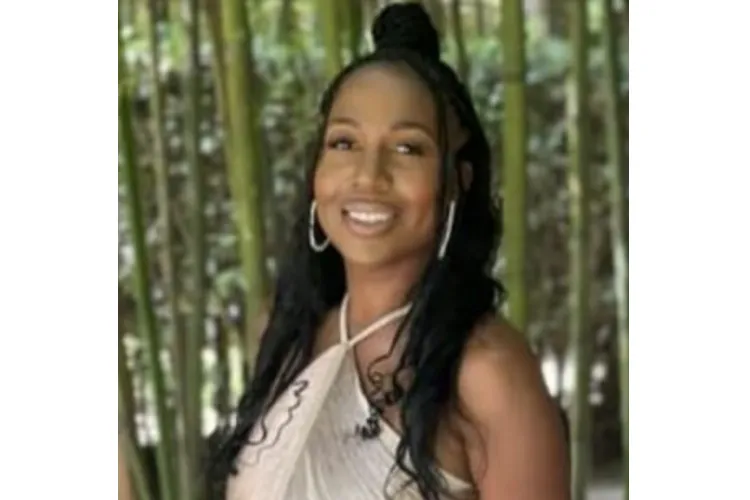
Friends and family describe Michelle as a devoted mother whose life revolved around her two young children. She was not a public figure. She was someone who showed up for people, including at a wake where her presence was an act of support, not obligation.
Photographs released through a family handout show her in relaxed, everyday settings: smiling, holding her children, living a life that gave no hint of the violence that would end it. Those images have circulated widely since the trial began and have become a quiet counterpoint to the forensic evidence and ballistic diagrams now being presented to jurors.
For her family, the loss is measured in the ordinary things that no longer happen. Her relatives have spoken publicly about the void she left behind, not in abstract terms, but in the specific daily rhythms of raising two children that now fall to others.
The Four Defendants And The Prosecution’s Case
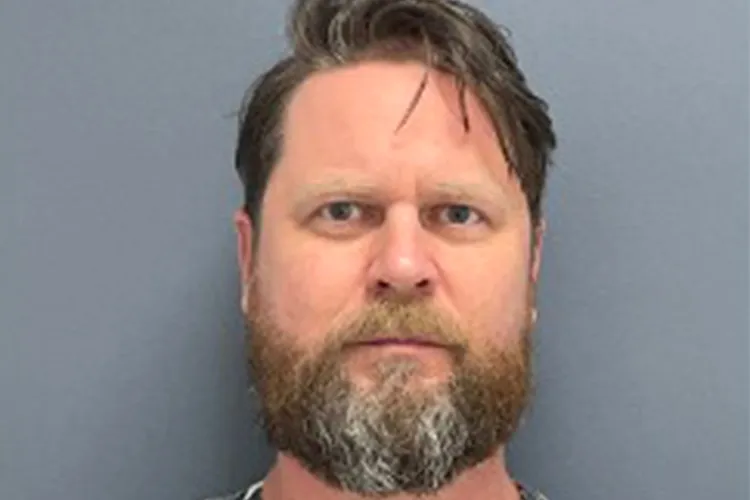
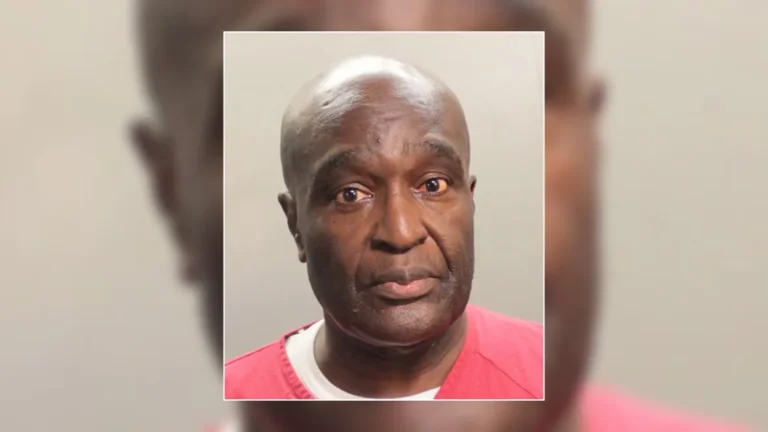
Four men stand trial at the Old Bailey in connection with Michelle’s killing. According to People magazine and the BBC, the defendants are Shemiah Bell, Javarn Dunkley, Romain Ballin and Romaine Smith. All four face murder charges and related firearms offenses. All four have pleaded not guilty.
Prosecutors have outlined a timeline that includes phone communications and vehicle movements in the days leading up to the shooting. One detail that drew attention during opening statements was the allegation that some of the defendants had met to buy a puppy shortly before the attack, a transaction investigators say helped them establish connections between the men and trace their movements.
The prosecution argues the shooting was a coordinated, targeted act linked to pre-existing disputes. Defence lawyers have challenged the reliability of identification evidence and questioned whether the Crown can definitively place their clients at the scene. The trial, overseen by the HM Courts and Tribunals Service, is expected to run for several weeks.
What Jurors Have Heard So Far
Inside the courtroom, jurors have been walked through a detailed reconstruction of the night. Prosecutors described the car slowing as it passed the church, the shots fired from inside the vehicle and the aftermath as mourners tried to help Michelle on the pavement. The phrase used in court, reported by the BBC, was that a “mum” had been “killed in an appalling gun attack” outside a church, language chosen to convey both the brutality of the act and the ordinariness of the setting.
Ballistic testimony has detailed the type of weapon used and the trajectory of the shots. Phone data presented to the jury is said to place the defendants in relevant locations in the hours surrounding the attack. Family members sat in the public gallery as these details were laid out, listening to the final minutes of Michelle’s life described in clinical, forensic terms.
Legal analysis of the trial has also appeared on BBC Sounds, where crime correspondents have discussed the strength of the evidence and the broader pattern of gun violence spilling into public gathering places in London.
The Wider Fallout
Michelle’s killing has sharpened a conversation that many communities in London have been having for years: how do you keep people safe in shared public spaces when illegal firearms are in circulation? The fact that the shooting happened outside a church, during a wake, has given the case a particular emotional weight. Churches, community halls and places of worship are supposed to be neutral ground. This case is a reminder that for some, they are not.
Tributes to Michelle have appeared on social media, and local community groups have used the case to renew calls for tighter enforcement against illegal gun supply chains. The Metropolitan Police, which investigated the shooting, has not commented publicly on the broader implications while the trial is ongoing.
The trial continues at the Old Bailey as of April 2026. All four defendants maintain their innocence, and no verdict has been reached.
About the Author