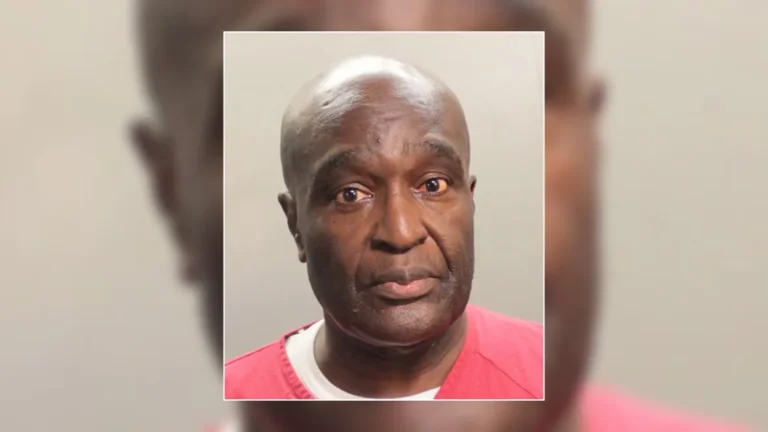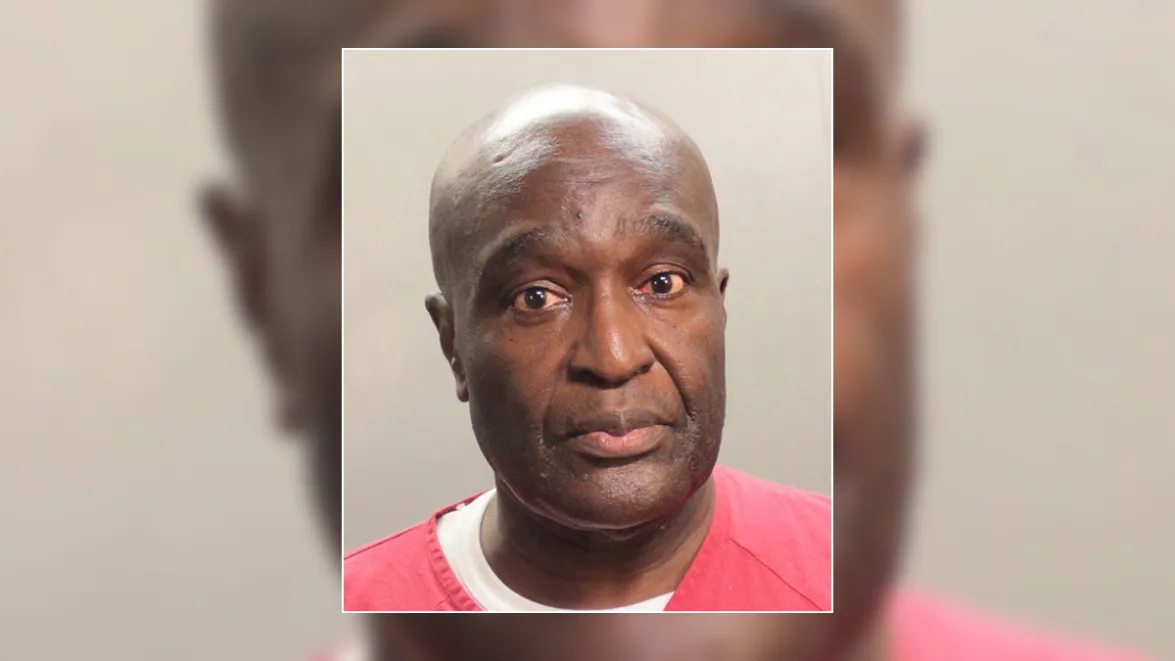
Miami-Dade Corrections
In March 2026, a Miami-Dade County jury decided that Harrel Braddy, the man convicted of kidnapping 5-year-old Quantisha “Candy” Maycock and abandoning her in the alligator-filled Everglades in 1998, will spend the rest of his life in prison rather than face execution. The resentencing verdict ended a legal process that stretched across nearly three decades, two death sentences, and a landmark U.S. Supreme Court ruling that reshaped capital punishment in Florida.
Braddy, now 76, was never retried for the crime itself. His conviction for murder, kidnapping, and the assault on Candy’s mother, Shandelle Maycock, has stood since the early 2000s. The only question before this new jury was whether he should die by execution or grow old behind bars.
What happened in 1998
According to trial testimony and court records, Braddy went to the home Shandelle Maycock shared with her daughter in South Florida. An argument escalated into a violent attack: Braddy beat and bound Shandelle, forced her into the trunk of a car, and drove away with Candy. Shandelle survived and later provided testimony that helped build the case against him.
Investigators determined that Braddy drove deep into the Everglades, the vast wetland stretching west of Miami, and left the 5-year-old there alone. Her skeletal remains were later recovered in an area dense with alligators. Forensic evidence and the condition of the remains led authorities to conclude the child had been killed by the animals after being abandoned, a finding prosecutors called one of the most disturbing in Miami-Dade criminal history.
The original death sentence and its unraveling
Braddy was convicted of first-degree murder, kidnapping, and charges related to the assault on Shandelle Maycock. At his original sentencing, a judge imposed the death penalty after a jury recommendation, which was the standard procedure in Florida at the time. He was also serving time for a prior attempted escape from custody.
That sentence held for years. Then, in 2016, the U.S. Supreme Court’s decision in Hurst v. Florida struck down the state’s capital sentencing scheme, ruling that juries, not judges, must make the critical findings necessary to impose death. The decision forced Florida courts to revisit dozens of death row cases, including Braddy’s, opening the door to a new penalty phase.
What the new jury heard
During the resentencing hearing, prosecutors pressed for death a second time. They walked jurors through the sequence of events: the assault on Shandelle, the abduction of her daughter, and the deliberate decision to leave a 5-year-old in a remote stretch of wilderness where alligators were known to congregate. Their argument was that Braddy had not simply killed a child but had chosen a method designed to inflict maximum terror and suffering.
Family members delivered emotional testimony about the lasting damage. Relatives described how they still replayed the moment they learned what had happened to Candy, and the courtroom fell quiet as they spoke about the girl they remembered, a child who had a nickname because of her sweet personality.
Defense attorneys took a different approach. They focused on Braddy’s age, his decades already spent in prison, and his mental health history. Their case to the jury was straightforward: a 76-year-old man confined to a cell for the rest of his natural life is not someone the state needs to execute. According to NBC Miami’s reporting, the defense painted Braddy as a man whose circumstances made the death penalty unnecessary, not undeserved.
The jury’s decision
When the panel returned its verdict, Braddy hugged his attorneys, a gesture that suggested he already sensed the outcome. The jury chose life in prison without the possibility of parole, sparing him from execution for the second time in the case’s history.
The decision means Braddy will die in a Florida prison cell of natural causes rather than by lethal injection. For the Maycock family, the result was a painful reminder that the legal system’s definition of justice does not always match their own. Shandelle Maycock, who survived the 1998 attack, has lived with the aftermath for nearly 28 years.
Under Florida’s current capital sentencing law, which was revised in 2023 to allow a death recommendation on an 8-4 jury vote rather than requiring unanimity, the threshold for imposing death is lower than in many other states. That this jury still chose life underscores how difficult it can be to secure a death sentence even in a case with facts as extreme as these.
About the Author