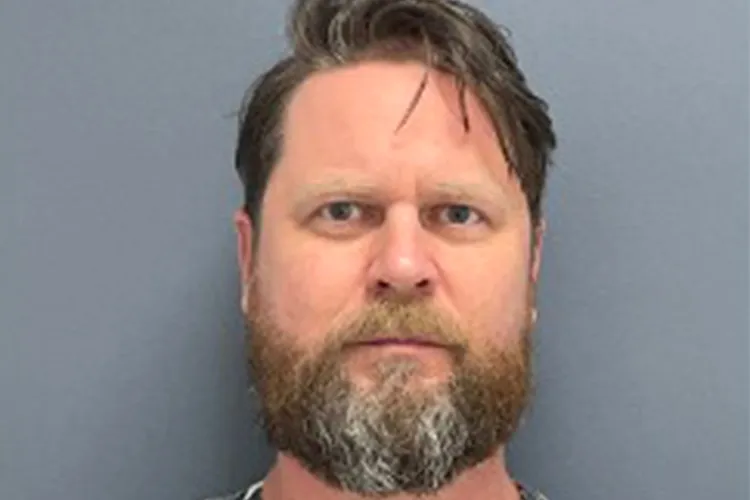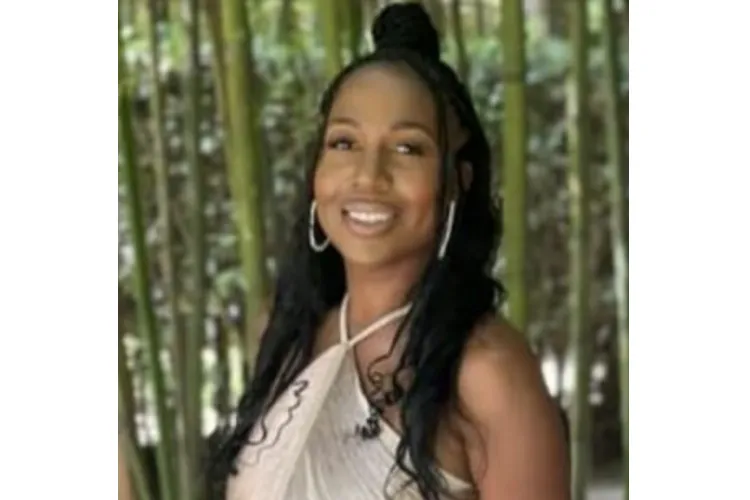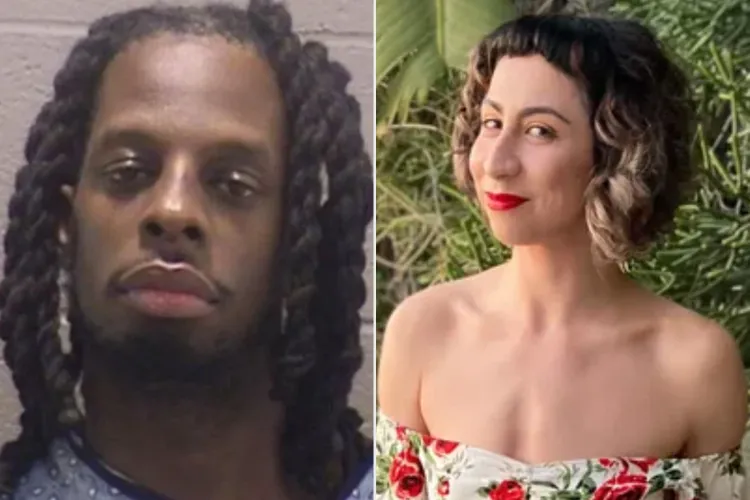
Stephon Dubose mugshot; Angela Risi. Credit : Durham Police Department; GoFundMe
Credit : Durham Police Department; GoFundMe
Angela Risi moved from San Diego to Iowa City to earn her MFA in dance at the University of Iowa. She was 30, deep into choreography and rehearsals, building toward a career on stage. In October 2022, she was shot and killed in a parking lot near campus. The man who pulled the trigger, Stephon Dubose, later admitted he did it because she refused to be his exclusive girlfriend.
In early 2025, Dubose was sentenced to 45 years in prison after pleading guilty to second-degree murder. The case has forced a reckoning, both at the university and beyond, with how intimate partner violence escalates when one person treats a partner’s boundaries as a personal offense.
The relationship that turned lethal
Dubose, who was 32 at the time of the shooting, met Angela while she was pursuing her graduate degree. According to court records reviewed by People, the relationship had been unstable for months. Angela had told Dubose repeatedly that she did not want to be in an exclusive relationship with him. In his plea agreement, Dubose acknowledged that her refusal was what drove him to violence.
Friends and classmates described Angela as someone who gave everything to her craft. She spent long hours in the studio, working on pieces that blended contemporary technique with movement styles she had grown up with in Southern California. She was, by all accounts, building exactly the life she had moved halfway across the country to pursue.
The night of the shooting
On the night of October 15, 2022, Angela met Dubose in a parking area near the University of Iowa campus. According to a criminal complaint detailed by Law & Crime, the conversation turned again to whether she would agree to an exclusive relationship. She said no.
Dubose drew a firearm and shot Angela eight times. She was rushed to a hospital but was pronounced dead shortly after arrival. Iowa City police responded to the scene and arrested Dubose the same night.
A guilty plea and 45 years
Prosecutors charged Dubose with second-degree murder, building a case that characterized the shooting as a deliberate act of control rather than a momentary loss of composure. Faced with the evidence, Dubose entered a guilty plea, admitting in court documents reviewed by People that he killed Angela because she would not commit to him exclusively. The plea spared her family a trial.
At sentencing, the judge emphasized the calculated nature of the attack: eight shots fired at an unarmed woman whose only act of defiance was defining her own romantic life. Law & Crime reported that Dubose received a 45-year prison sentence. He will be in his mid-70s before he is eligible for release.
Who Angela was beyond the case file
Inside the courtroom, Angela’s life was compressed into charging documents and autopsy findings. Outside it, she was a daughter, a friend, and an artist who had left everything familiar to chase a specific dream.
Her family told reporters she had been excited about the possibility of joining a touring dance company after graduation. Classmates in the University of Iowa’s MFA program remembered her as a collaborator who pushed the people around her to take creative risks. Faculty members said they had expected to see her work on stages well beyond Iowa City.
“She was a very loving person,” a family member said during the sentencing hearing, according to Law & Crime’s coverage of the proceeding.
Control, rejection, and intimate partner violence
Angela’s killing fits a pattern that domestic violence researchers have documented extensively. According to the National Domestic Violence Hotline, a partner’s refusal to accept the end of a relationship or a change in its terms is one of the most dangerous periods for victims of intimate partner violence. The presence of a firearm multiplies that danger: the National Coalition Against Domestic Violence reports that access to a gun makes it five times more likely that an abusive partner will kill.
What stands out in the court filings is how plainly Dubose stated his motive. He did not describe a complicated dispute or a provocation. He said Angela would not be exclusive with him, and that her refusal enraged him. Advocates say that framing is itself revealing: it treats a partner’s autonomy as something to be overruled, not respected.
A campus and community left to respond
Angela’s death shook the University of Iowa’s graduate arts community. Students and faculty held vigils in the weeks after the shooting. The loss also renewed conversations on campus about safety resources for students in abusive or controlling relationships, and whether those resources are visible enough to people who need them.
For Angela’s family, the 45-year sentence offered a measure of accountability but not resolution. No courtroom outcome restores what was taken: a woman in the middle of building her life, killed for insisting on a boundary that was hers to set.
If you or someone you know is experiencing intimate partner violence, contact the National Domestic Violence Hotline at 1-800-799-7233 or text “START” to 88788.
About the Author