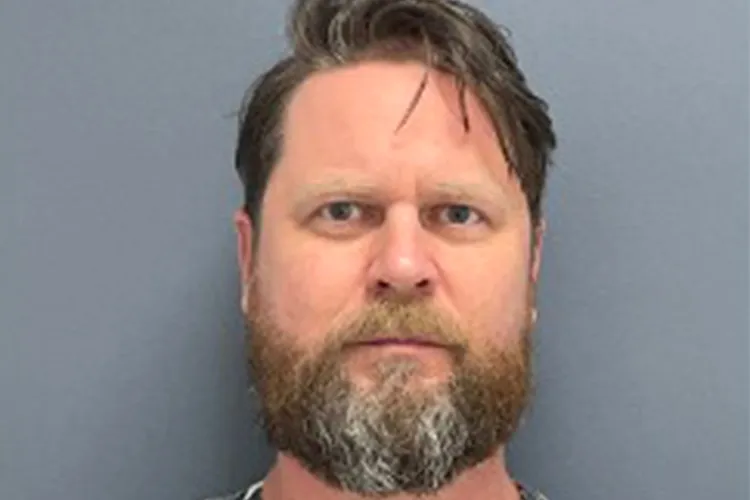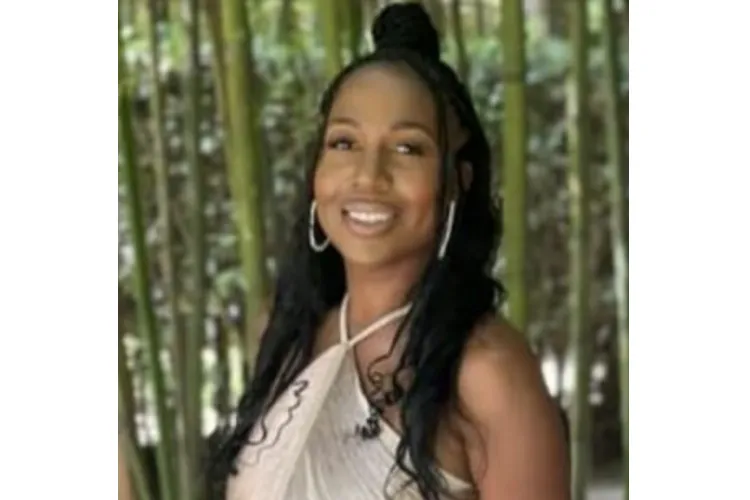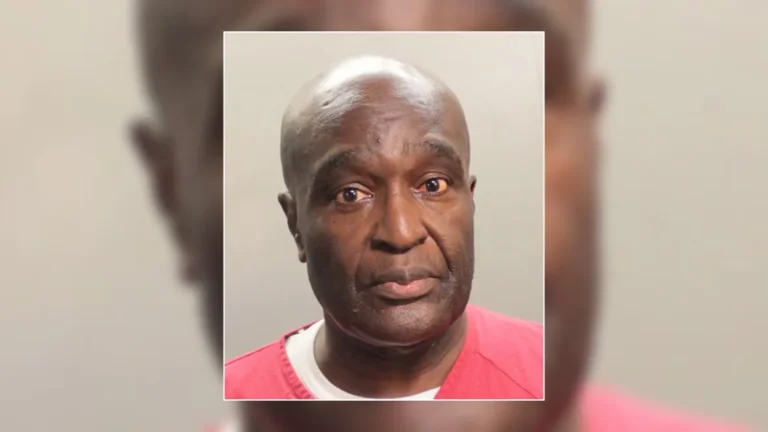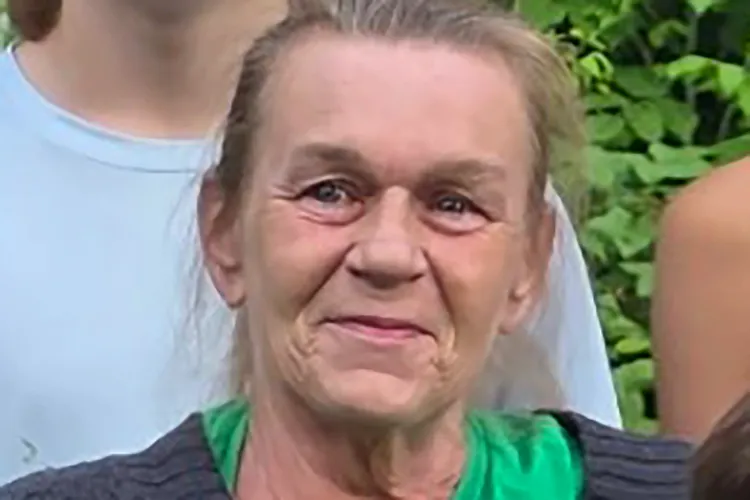
Patricia Kelley. Credit : GoFundMe
Credit : GoFundMe
Darlene Kelley spent years opening her Albany home to a man who could not keep himself afloat. She helped Robert Bush find housing leads, covered basic expenses, and let him stay under her roof when he had nowhere else to go. On January 27, 2025, police say Bush shot and killed Kelley inside that home, then turned the gun on himself. She was 54.
In the months since, Kelley’s family has been trying to hold two things at once: pride in the woman she was and fury at how her willingness to help became the very thing that put her in danger. Her story raises questions that go well beyond one address in Albany, questions about what happens when generosity meets instability, and when the person doing the most caring is also the most exposed.
Who Darlene Kelley was before the headlines
Kelley’s son, Brian Kelley, has called his mother the “heart of the family,” a phrase that relatives and friends have repeated in tributes since her death. In a video interview with CBS 6 reporter Briana Supardi, Brian described a woman who never really stopped parenting, even after her children were grown. She remembered every birthday. She showed up at school events for children who were not biologically hers but whom she treated as her own.
Neighbors in Albany have shared similar stories. One recalled Kelley dropping off groceries, unasked, after a neighbor lost work. Another described her as having a stubborn streak that only showed up in generous ways: if someone told her a problem was too big, she took it as a personal challenge.
That same drive, relatives say, shaped her long effort to help Robert Bush. According to a People report on the case, Kelley had tried for years to help Bush find stable housing and steady employment. She let him stay with her repeatedly, believing that with enough patience and structure, he could rebuild his life.
What police say happened
The Albany Police Department responded to Kelley’s home on the evening of January 27, 2025, and found both Kelley and Bush dead from gunshot wounds. Investigators classified the case as a murder-suicide. No other individuals were involved, and police have not indicated that anyone else was present in the home at the time.
WNYT reported that Kelley was remembered by those who knew her for her generosity and strong spirit. The station’s coverage noted that family members wanted the public to understand who she was beyond the police file.
Authorities have not released a detailed timeline of the events leading up to the shooting, and some of what happened in those final hours is known only to the two people who died. What investigators have made clear is that the violence was sudden enough to blindside the people closest to Kelley.
A son’s plea
In his public remarks, Brian Kelley has shifted between grief and advocacy. In the CBS 6 interview, he urged viewers to pay attention to warning signs in relationships and to take their own safety seriously, even when a situation feels familiar or manageable. It was the kind of advice that clearly came from someone replaying his own family’s choices.
Other relatives have echoed that message. They say Kelley had a habit of deflecting concern about herself. When someone asked how she was doing, she would steer the conversation back to the other person. Family members now see that tendency differently. In a relationship where one person controls the housing and the other depends on it, that kind of selflessness can obscure real risk.
“She did what people are always told to do,” one family member told reporters. “Give someone another chance. Believe people can change.”
The broader pattern
Kelley’s case fits a pattern that domestic violence researchers have studied for decades, though it does not map neatly onto the most common frameworks. The Violence Policy Center’s annual reports on murder-suicide in the United States consistently find that the vast majority of these incidents involve a firearm and that the perpetrator is most often male. The organization’s research has documented roughly 10 murder-suicides per week in the U.S. in recent years.
What makes Kelley’s situation distinct, according to people who knew her, is that her relationship with Bush was not romantic. It was rooted in caregiving, a dynamic that can carry its own power imbalances but is less likely to trigger the institutional warning systems designed around intimate partner violence. There was no restraining order to seek, no couples counselor to flag escalation. The risk lived in the ordinary texture of daily life: shared meals, shared space, shared finances.
What her family wants people to remember
More than a year after the shooting, Kelley’s relatives say they are still working to keep her memory anchored to the life she built rather than the way it ended. Brian Kelley and other family members have continued to share stories about her on social media, and a remembrance post that circulated widely in the weeks after her death described her as a woman who “poured herself into other people.”
At the same time, the family has become more vocal about safety. Relatives say they are now more likely to ask direct questions when a loved one mentions taking someone in, and more willing to talk openly about what an exit plan looks like if a living situation turns volatile.
Kelley’s story does not come with a tidy lesson. She was not naive. She was not reckless. By every account, she was a woman who saw need and moved toward it, and who believed that consistency and kindness could do what systems had failed to do. The fact that her belief cost her life does not make it wrong. It makes the outcome unbearable.
If you or someone you know is in a dangerous living situation, contact the National Domestic Violence Hotline at 1-800-799-7233 or the 988 Suicide & Crisis Lifeline by calling or texting 988.
About the Author