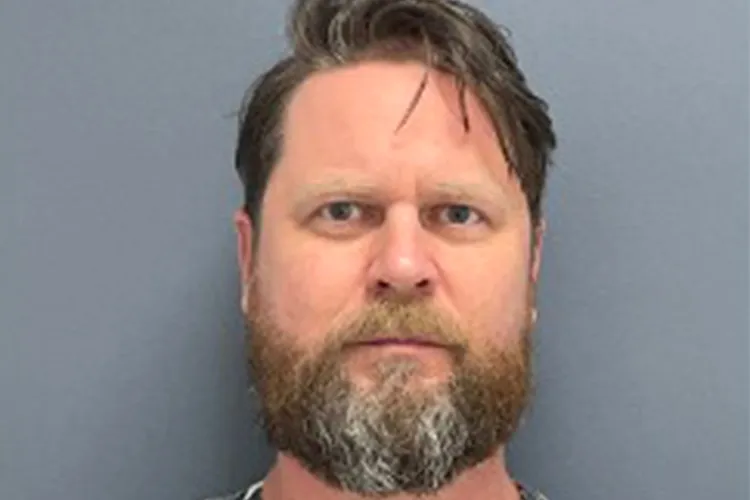
Hailey Buzbee. Credit : Find Hailey Buzbee/Facebook
Credit : Find Hailey Buzbee/Facebook
Hailey Buzbee was 17 when she disappeared from Fishers, Indiana, in early January 2026. Weeks later, investigators say a 39-year-old Columbus, Ohio, man named Tyler Thomas led them to her remains in a wooded area of Hocking County, Ohio. She had been dismembered.
The case, now in the federal court system, has forced a reckoning with how easily adults can reach teenagers through gaming platforms and social media. It has also prompted Indiana lawmakers to draft legislation aimed at closing gaps in how online predators are tracked and prosecuted.
An online relationship that crossed state lines
According to federal court filings reviewed by the Columbus Dispatch, Tyler Thomas had been communicating with Hailey online for months before her disappearance. Investigators say he made multiple trips from Columbus to Indiana during that period, and that the two met through an online platform, though authorities have not publicly identified which app or game connected them.
Hailey was reported missing on January 6, 2026. Her family told investigators she had left home to meet a man she knew from the internet. Fishers Police released a public statement confirming that the department was working with federal partners on what had quickly become an interstate investigation.
Digital evidence, including phone records, app data, and messages recovered from gaming accounts, allowed investigators to trace the sustained contact between Thomas and Hailey and to establish that she had traveled with him from Indiana into Ohio.
The search and the discovery in Hocking County
The investigation moved fast once detectives identified Thomas as a suspect. Indiana search warrants, described in court filings shared by investigators, laid out the scope of the digital relationship and the trail that led officers to Thomas in Ohio.
After his arrest, Thomas spoke with investigators. According to a detailed account published by People, he told police he had picked Hailey up after she left home and driven with her into rural parts of Ohio. He then allegedly led law enforcement to a remote location in Hocking County where Hailey’s remains were buried.
The body had been dismembered, according to investigators. Hailey was positively identified, and the site was processed as part of the federal homicide investigation.
Federal charges and the defense’s cooperation argument
Thomas was charged in the U.S. District Court for the Southern District of Ohio. While the full scope of the federal indictment has not been made public as of March 2026, the charges are tied to the online enticement of a minor, interstate travel in connection with criminal sexual activity, and the concealment of Hailey’s death, according to court records reviewed by the Columbus Dispatch.
Thomas’s defense attorney has publicly argued that his client did not kill Hailey. In statements to reporters, the attorney said Thomas cooperated with investigators once confronted with digital evidence and surveillance footage, and that his decision to lead officers to the burial site should be weighed in his favor. The attorney has suggested that Hailey died while in Thomas’s presence but that her death was not a homicide committed by his client.
Federal prosecutors have pushed back on that framing. In the complaint, they describe a pattern of grooming: months of online contact designed to build trust, followed by interstate travel that isolated Hailey from her family and support network. Investigators allege Thomas played an active role in concealing her body in a secluded area, which they say is inconsistent with the actions of someone who simply panicked after an accidental death.
The case remains under investigation as of March 2026. Thomas is being held without bond.
Hailey’s Law and the push for legislative change
Hailey’s death has become a catalyst for proposed legislation in Indiana. State lawmakers have begun drafting what supporters are calling “Hailey’s Law,” which would strengthen requirements for online platforms to report suspected predatory contact with minors and increase penalties for adults who use digital communication to lure children across state lines.
The specifics of the bill are still being finalized as of April 2026, but advocates, including members of Hailey’s family, have spoken publicly in support of measures that would require gaming platforms and social apps to flag age-gap communications and cooperate more quickly with law enforcement during missing-child investigations.
The broader concern is not new, but this case has given it a name and a face. According to the National Center for Missing & Exploited Children, reports of online enticement of children have increased sharply in recent years, with gaming platforms and chat apps increasingly cited as initial points of contact between predators and minors.
About the Author