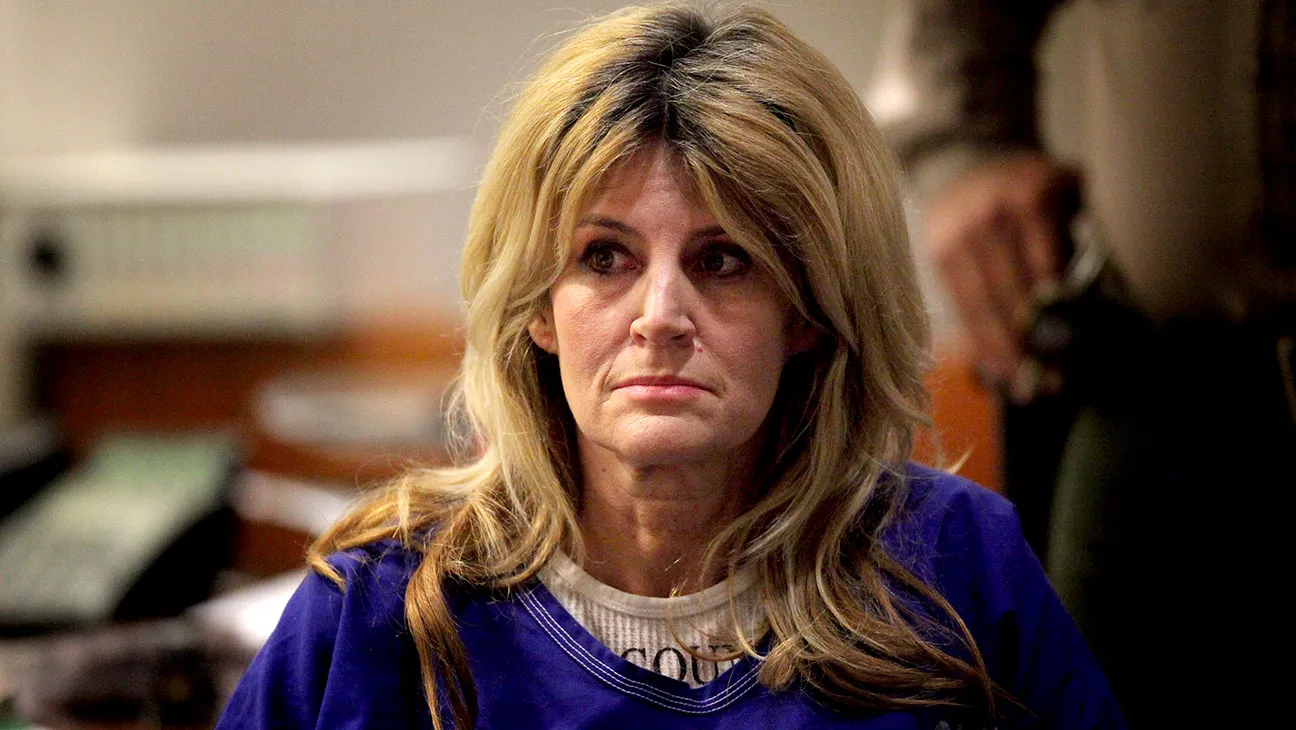
Irfan Khan/Los Angeles Times via Getty Images
In 2014, Dawn DaLuise was one of the most sought-after facialists in Los Angeles, the kind of skincare specialist whose name circulated quietly among actors, stylists, and publicists. By the end of that year, she had been arrested on suspicion of soliciting the murder of a professional rival, jailed, and plastered across tabloid headlines as a would-be killer. A jury later acquitted her of the solicitation charge, but the case cost her nearly everything she had built. Now, more than a decade later, DaLuise is still working in a West Hollywood treatment room, still fielding questions about the worst chapter of her life, and still trying to separate her name from the crime she says she never committed.
The facialist Hollywood trusted
Before the arrest, DaLuise had spent years cultivating a clientele in the West Hollywood and Beverly Hills corridor where high-end skincare is as routine as a blowout. She specialized in corrective facials and built her reputation largely through referrals, the gold standard in an industry where trust is personal. By the early 2010s, her appointment book was full and her name carried real weight in celebrity beauty circles.
A professional feud turns criminal
The trouble began with Gabriel Suarez, a rival aesthetician who operated a nearby studio called Smooth Cheeks. What started as a business dispute escalated into a campaign of mutual accusations: fake online ads, harassment claims, and threats that drew the attention of law enforcement. In March 2014, Los Angeles police arrested DaLuise on a charge of solicitation of murder, alleging she had tried to arrange a hit on Suarez. She was booked and held in jail, and the story exploded across celebrity news outlets.
DaLuise maintained from the start that she had been set up, that the harassment had targeted her and her daughters first, and that the evidence against her was manufactured. The case went to trial, and a jury acquitted her of the solicitation-of-murder charge, the most serious count she faced. She did, however, plead no contest to a lesser charge of making criminal threats, a detail often glossed over in retellings of the case. The distinction matters: she was cleared of plotting a killing but acknowledged culpability for threatening conduct during the feud.
The toll of jail and tabloid exposure
Even after the acquittal, the damage was severe. DaLuise has spoken publicly about the physical and psychological toll of her time in custody. A profile in Los Angeles Magazine reported that the stress of incarceration left her with lingering health problems that were not properly diagnosed until after her release. Years of client trust, built one appointment at a time, evaporated in a news cycle. A not-guilty verdict does not come with a reputation-repair kit.
Rebuilding on a smaller scale
DaLuise chose to stay in the industry. After the case concluded, she opened a new boutique studio and began the slow work of winning back clients willing to look past the headlines. In a 2018 interview with The Hollywood Reporter, she described the process as starting over from scratch, minus the anonymity that had once let her work in peace.
As of early 2026, DaLuise continues to practice as an esthetician in West Hollywood, operating under the name Skin Refinery. Her client list is smaller and more personal than it was during the peak years, and she relies on direct relationships rather than the celebrity referral network that once fueled her business. People reported that she has focused on one-on-one treatments and a quieter form of word of mouth, a deliberate step back from the high-visibility world that made her a target.
The story Hollywood keeps retelling
DaLuise’s efforts to move on have been complicated by pop culture’s appetite for her story. In 2024, the film Skincare, directed by Austin Peters and starring Elizabeth Banks, drew loosely from the DaLuise case, reimagining a celebrity facialist caught in a spiral of professional sabotage and violence. The film took significant creative liberties, but it pulled DaLuise’s name back into public conversation and renewed interest in the original case.
True-crime television followed. An episode of the Oxygen series Accident, Suicide, or Murder revisited the West Hollywood feud, featuring interviews with both DaLuise and Suarez. As WeHo Times reported, the program suggested the saga was considerably more tangled than early tabloid coverage made it appear, with Suarez still operating Smooth Cheeks and offering his own account of events. A CNN-sourced report noted that while the court proceedings are long over, online debate about what actually happened between DaLuise and Suarez has never fully quieted.
How DaLuise talks about it now
DaLuise has not retreated into silence, but she is selective about when and where she speaks. In interviews since the acquittal, she has reflected on the case with a mix of anger, dark humor, and hard-won perspective. She told Los Angeles Magazine that she now offers what she calls “killer facials,” a wry reclaiming of the nickname tabloids pinned on her. She has also spoken about the therapy and personal work that followed her release, describing the experience of having her professional identity stripped away as a forced reckoning with who she was underneath it.
What she has not done, at least publicly, is pursue legal action against those she says orchestrated her arrest. Whether that reflects a strategic choice, exhaustion, or something else, she has not said. The question lingers, and it is one of several loose threads that keep the story from feeling fully resolved.
Where things stand
More than a decade after her arrest, Dawn DaLuise occupies an unusual space: acquitted of the charge that defined her public image, but never fully free of it. She is back doing the work she trained for, in a smaller room with fewer famous faces. The film and TV adaptations have guaranteed that new audiences will keep discovering her story, often in fictionalized form, and forming opinions based on incomplete information.
For DaLuise, the challenge is no longer legal. It is narrative. She cannot control how screenwriters or true-crime producers frame her case, but she can control the work she does and the clients she serves. As of spring 2026, that appears to be enough for her, even if it is not the career she once had.
About the Author