Theresa Fazzani/SWNS
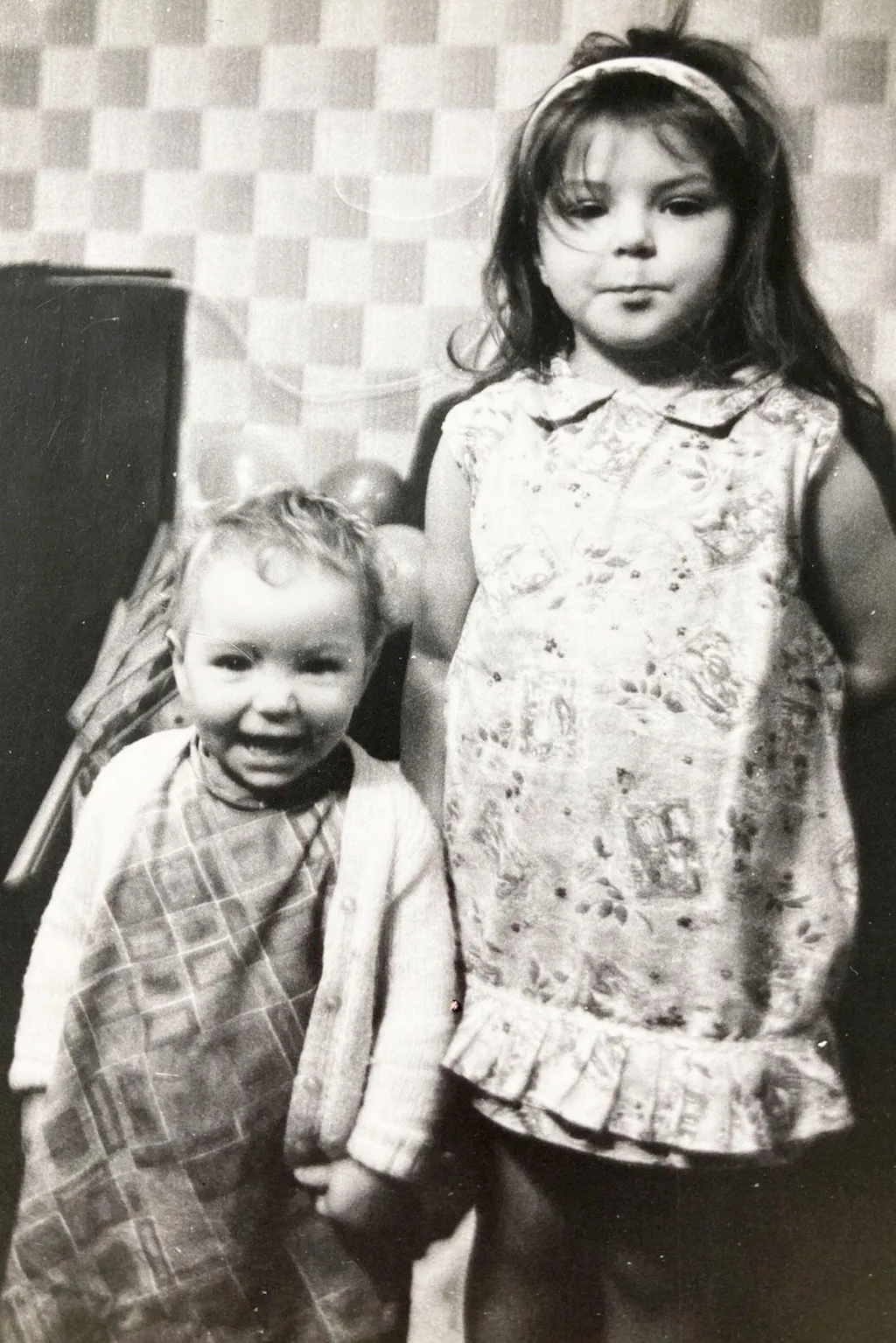
In December 1973, a man beat his wife to death with a hammer inside their home in South Wales. He left behind two daughters: Theresa, the elder, and Janet, still a toddler. Within weeks, the local authority placed each girl with different relatives. The sisters would not see each other again for more than 50 years.
Their reunion, which took place in the summer of 2024 on a train platform in Somerset, has drawn renewed attention in early 2026 as advocacy groups push for stronger sibling-placement protections in the UK care system. The story is a reminder that violent crime does not end with a conviction; its aftershocks can ripple across entire lifetimes.
The murder and the separation
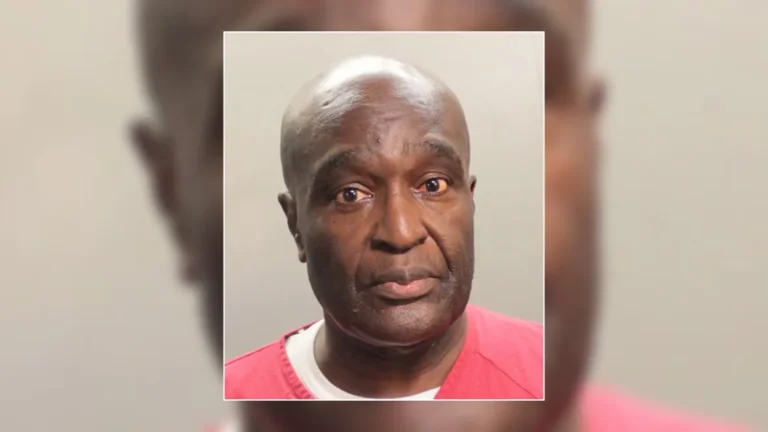
Details of the killing remain sparse in public records, but a BBC report confirmed that the girls’ father murdered their mother in the family home in South Wales in December 1973. The Sun described him as a “monster dad” who carried out the attack with a hammer. He was convicted and imprisoned.
Theresa was old enough to retain fragments of that night. Janet was not. What both shared was the consequence: the local authority separated them, sending each to a different branch of the extended family. No formal mechanism existed to maintain contact between the sisters, and over time the connection dissolved entirely.
The decision reflected standard practice of the era. In the 1970s, UK child welfare agencies prioritized immediate physical safety over sibling bonds. Research published decades later by the University of Bristol’s Hadley Centre for Adoption and Foster Care Studies found that separated siblings frequently experienced lasting grief comparable to a second bereavement, a finding that would have been unfamiliar to the social workers handling Janet and Theresa’s case.
Parallel lives, the same wound
Both women grew up, married, had children and became grandmothers. On paper, they built full lives. In practice, each carried an absence she could not fully explain to the people around her.
Janet told the BBC that growing up without Theresa felt like a permanent gap, something present at every family gathering and every milestone. She knew her sister had been placed with relatives but had no address, no surname to search, and no clear starting point. Over the years she made tentative attempts: phone calls to distant family members, occasional checks of public records. None led anywhere.
Theresa, living hundreds of miles away, assumed Janet had moved on or perhaps did not want to be found. She carried the additional burden of remembering more of the violence and the chaos that followed it. Neither woman knew the other was searching.
How a volunteer group broke the silence
The breakthrough came through a volunteer-run group dedicated to reuniting separated families. According to the BBC account, a searcher picked up Janet’s case and began cross-referencing details of the 1973 murder with modern records and social media traces. The combination of a historic crime report and contemporary digital footprints produced a match.
Janet was at home when the call came. The volunteer’s words, as she later recounted them to the BBC, were simple: “We’ve found your sisters.” The plural mattered. Janet learned she had more siblings she had lost track of, though it was Theresa she had spent the longest time searching for.
Theresa received her own call shortly after. A stranger explained that the little sister she remembered was alive, well, and wanted to see her. Both women have said they hesitated before allowing themselves to believe it. Fifty years of silence teaches caution.
They began with phone conversations, comparing the decades they had missed. They talked about children, health, and the fragments each had retained from that last night in South Wales. Slowly, the reunion shifted from surreal to inevitable.
The platform in Somerset
They chose a train station in Somerset as the meeting point. Janet arrived early and, too anxious to wait behind the barriers, persuaded station staff to let her onto the platform itself, a detail she shared in her first-person account.
When the train pulled in, she scanned the windows for a face that might match the child in her memory. Theresa stepped off. For a moment, neither moved. Then they grabbed each other and held on.
To other passengers, it was two older women crying on a platform. To Janet and Theresa, it was the end of a search that had outlasted careers, marriages and, very nearly, hope itself. Theresa later told reporters she had believed she would die without ever seeing her sister again.
Rebuilding across a 50-year gap
Reconnecting after half a century is not the same as picking up where you left off. The sisters carry different versions of their shared history, shaped by the families who raised them. Sitting together for the first time, they discovered how many blanks each had filled with guesswork, and how much of that guesswork was wrong.
They also had to introduce two fully formed family networks to each other. Children and grandchildren who had grown up hearing about a missing aunt suddenly had real faces to attach to the name. Photos were exchanged. A family tree that had been split down the middle began, cautiously, to reconnect.
The trauma of the original crime has not disappeared. Both women still live with the knowledge of what their father did. But Janet told the BBC that having Theresa back made the weight of that history easier to carry, because she was finally sharing it with the one person who understood it from the inside.
Why the story still resonates
Janet and Theresa’s case has resurfaced in early 2026 as part of a broader conversation in the UK about how the care system handles siblings. Current statutory guidance from the Department for Education states that local authorities should place siblings together “unless this is not consistent with the welfare of one or more of the children.” In practice, placement shortages and logistical constraints still lead to separations, particularly after traumatic events.
Organizations such as Stand Up for Siblings, a campaign backed by several UK universities and charities, have argued that the emotional cost of separation is routinely underestimated. Research from the campaign found that many separated siblings describe the loss of a brother or sister as a grief that runs parallel to, and sometimes exceeds, the original trauma that brought them into care.
For Janet and Theresa, the policy debate is personal. They lost their mother to violence and then lost each other to a system that treated their safety and their bond as separate problems. It took a volunteer with an internet connection to solve what five decades of bureaucracy never addressed.
Their story is not unique in its outline. Thousands of siblings in the UK care system have limited or no contact with brothers and sisters placed elsewhere. What makes this case hard to forget is the sheer length of the separation and the blunt cause behind it: a father’s act of murder, followed by an institutional decision that compounded the damage for another 50 years.
About the Author