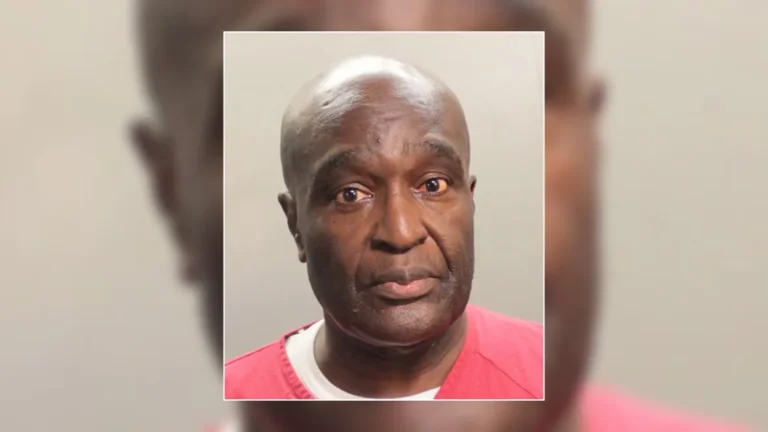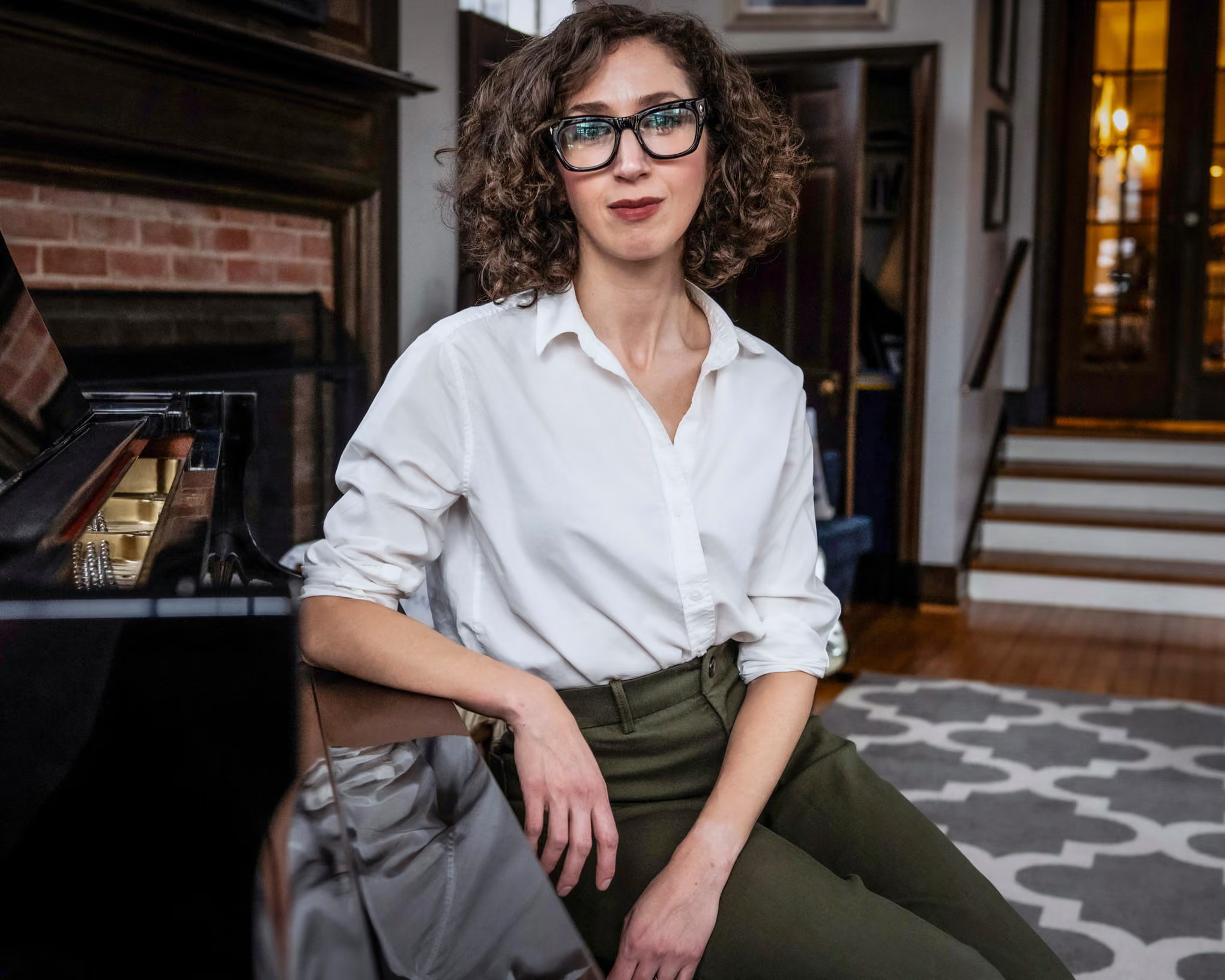
‘I don’t know how I survived’ … Brooke Nevils, the author of Unspeakable Things: Silence, Shame and the Stories We Choose to Believe. Photograph: JM Giordano/The Guardian
When Brooke Nevils first told NBC’s human resources department that Matt Lauer had sexually assaulted her during the 2014 Sochi Olympics, the network fired its highest-paid anchor within 48 hours. But for years afterward, Nevils remained largely anonymous, her account filtered through internal memos, anonymous sourcing, and Lauer’s own public insistence that their encounters were “consensual.” Now, with the early 2026 publication of her memoir Unspeakable Things, Nevils is telling the story herself and drawing a distinction she says the public conversation has missed: consent and agreement are not the same thing.
The woman behind the headline
Before her name became synonymous with one of the #MeToo era’s most high-profile cases, Nevils was a young employee working her way up inside NBC. She entered through the network’s competitive Page Program and eventually landed in the orbit of the Today show, where Lauer was the franchise’s centerpiece, pulling in roughly $25 million a year, according to multiple reports at the time of his firing. In an NPR interview about her memoir, Nevils described a workplace where longtime on-air talent held enormous institutional power and junior staffers understood, without being told, that challenging those figures was career suicide.
That hierarchy is central to everything Nevils has said since. She was not a peer who entered a relationship on equal footing. She was a production-level employee whose assignments, visibility, and professional future could be shaped by the people above her, Lauer chief among them.
The alleged 2014 assault in Sochi
Nevils has said the assault took place during NBC’s coverage of the Winter Olympics in Sochi, Russia. In her account, she went to Lauer’s hotel room, where he kissed her, pushed her onto the bed, and pressed for sexual acts she did not want. She has described saying no, then feeling worn down until she stopped resisting. “I said no, then I just gave up,” she told The Guardian’s Emine Saner in a March 2026 interview.
She has also described being in physical pain afterward and feeling emotionally disoriented, yet continuing to interact with Lauer at work and, at times, socially. Critics have pointed to that continued contact as evidence against her claims. Nevils has said the opposite is true: it illustrates how trauma and professional dependence can distort a person’s behavior, particularly when the other party controls access to assignments and airtime. No criminal charges were ever brought. The Manhattan District Attorney’s office reviewed the matter but did not pursue a case, in part because the alleged assault occurred outside its jurisdiction.
Why she stayed silent inside NBC
One of the most striking elements of Nevils’ account is her explanation for not reporting the assault to NBC’s human resources department for years. She believed, she has said, that the only career that would end was hers. In her NPR interview, she described an institution deeply invested in protecting its biggest names and a culture where junior employees absorbed the message that stars were untouchable.
That fear is not unusual. Research from the Equal Employment Opportunity Commission has found that roughly 75% of workplace harassment goes unreported, with employees citing fear of retaliation as the primary reason. Nevils’ silence fit a well-documented pattern, even if it later became ammunition for skeptics.
“It is not consent. It is submission.”
The sharpest line in Nevils’ public campaign is her response to Lauer’s repeated characterization of their encounters as consensual. “Consent and agreement are not synonymous,” she said in a People magazine profile published in early 2026. A person can agree to something to survive a situation, she argued, without ever truly consenting. “It is not consent. It is submission.”
That distinction carries weight beyond her individual case. Legal scholars and psychologists who study coercion have long noted that the presence of a “yes” does not automatically equal meaningful consent when one party holds disproportionate power over the other. Nevils is making that academic argument personal and concrete: when your boss controls your livelihood, a coerced “yes” is not the same as a free one.
Lauer’s response
Lauer has denied committing sexual assault. In a lengthy open letter published in 2019, he acknowledged that the encounter in Sochi was extramarital but maintained it was “completely consensual.” He wrote that Nevils “did not do or say anything to object” and that they continued a sexual relationship for months afterward, which he presented as evidence that the initial encounter was not forced.
Nevils has called that framing a deliberate rewriting of what happened. She has said that Lauer’s insistence on the word “consensual” shifts the burden onto her: if everything was mutual, then she bears equal responsibility for what followed. Her memoir and interviews are a direct attempt to dismantle that logic. According to People, citing sources close to Lauer, the former anchor is unhappy about the book but has tried to accept the renewed scrutiny.
The culture Nevils describes at NBC
Nevils’ account extends beyond Lauer. In Unspeakable Things, she describes what she calls a toxic institutional culture at NBC that shielded powerful on-air talent and left younger staffers feeling expendable. She also takes aim at the myth of the “perfect victim,” arguing that media coverage of assault cases, including early coverage of her own, tends to scrutinize the accuser’s behavior rather than the choices of the person with power. A USA Today review of the book noted that Nevils connects that myth directly to the mechanics of victim-blaming.
She was not the only woman to raise concerns about Lauer. After his firing in November 2017, multiple women came forward with allegations of inappropriate sexual behavior, and an internal NBC review found that several complaints had not been escalated. NBC said at the time that it had “no current allegations” against Lauer before Nevils’ complaint, a claim that drew skepticism from former employees and outside observers, including journalist Ronan Farrow, whose own reporting on the matter helped bring Nevils’ story to light.
The personal cost of coming forward
Public accounts of assault allegations rarely follow the accuser past the initial headlines. Nevils has filled in some of that silence. In a People profile tracking her life after the allegations, she described severe mental health consequences, including a period in which she attempted suicide. She has said that writing the memoir was not about revisiting pain for its own sake but about reclaiming a narrative that had been told, for years, by everyone except her.
That decision has drawn backlash. Some commentators have accused her of profiting from the story; others have questioned her credibility based on the years-long gap between the alleged assault and her formal complaint. Nevils has said she expected both reactions and that they reinforce the very dynamic she is trying to expose: accusers are punished for speaking too late, too early, too publicly, or not publicly enough.
Why her distinction matters beyond this case
Nevils’ argument that submission is not consent lands at a moment when workplaces, courts, and legislatures are still wrestling with how to define sexual consent in relationships marked by power imbalances. Several states have moved in recent years to tighten laws around sexual misconduct by supervisors, and some legal experts have argued that existing consent frameworks fail to account for coercion that falls short of physical force.
Whether or not readers accept every detail of Nevils’ account, the question she is forcing into the open is one that outlasts any single case: When one person holds professional power over another, can a “yes” ever be fully free? Her answer, repeated across interviews, courtrooms of public opinion, and now a published memoir, is blunt. “It is not consent,” she has said. “It is submission.” That framing will not satisfy everyone. But it has shifted the terms of the debate in ways that will be difficult to walk back.
If you or someone you know is struggling with thoughts of suicide, contact the 988 Suicide and Crisis Lifeline by calling or texting 988.
About the Author