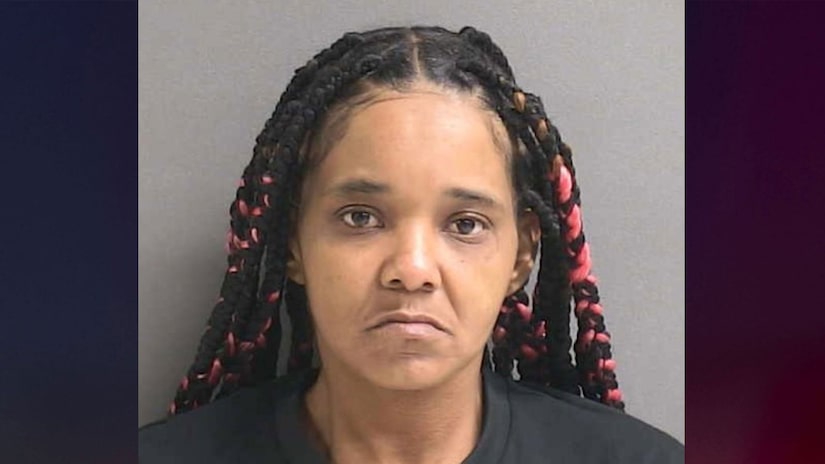
Talia Nelson
In Volusia County, the case forced a painful reckoning. Residents who followed the hearings heard prosecutors describe a household defined by isolation and control. Zayke was rarely seen in public. His absence from school and medical appointments meant the adults most trained to spot neglect never had the chance.
That pattern is familiar to child welfare researchers. Dr. Vincent Palusci, a pediatrician who has studied child maltreatment nationally, has noted that children who are withdrawn from school and medical care become effectively invisible to the safety net. When a caregiver is the source of harm, the child has no independent way to seek help.
Florida’s Department of Children and Families (DCF) has not publicly disclosed whether it received any reports about Zayke prior to his death. That question looms over the case: whether anyone flagged concerns and, if so, what happened to those reports.
Florida’s troubling pattern of child starvation deaths
The Nelson case is not an isolated tragedy. Florida has prosecuted several child starvation deaths in recent years, each exposing similar failures.
The most widely covered involved Sheila O’Leary of Cape Coral, who was sentenced to life in prison in 2022 after her 18-month-old son, Ezra, died of starvation. Prosecutors said the family adhered to a strict raw vegan diet that left the toddler severely malnourished. O’Leary was convicted of first-degree murder, aggravated child abuse and other charges. Her co-defendant and husband, Ryan O’Leary, was also convicted.
In that case, as in Nelson’s, the child had not been seen by a pediatrician in months. Food choices made by the parents, not poverty or scarcity, drove the deprivation. And the death only became a criminal matter after it was too late to help the victim.
Together, these prosecutions have established that Florida courts treat fatal child starvation as seriously as other forms of homicide, with sentences ranging from decades to life. But the cases also highlight a recurring gap: the harm is only addressed after a child has died.
The systemic blind spots
Child welfare experts point to several factors that allow starvation cases to go undetected. Families that homeschool or withdraw children from traditional schools remove a key layer of oversight. Parents who refuse routine pediatric visits eliminate another. And in Florida, where DCF caseworkers carry some of the highest caseloads in the country, stretched resources can mean that even flagged families slip through.
A 2023 report from the Florida Office of Program Policy Analysis and Government Accountability (OPPAGA) found that DCF investigator turnover remained high and that caseloads in some districts exceeded recommended levels. While the report did not address the Nelson case specifically, it described systemic pressures that child advocates say contribute to missed warning signs.
Legislation has been proposed in Tallahassee at various points to tighten reporting requirements and mandate welfare checks for children not enrolled in school, but comprehensive reform has been slow. Advocates argue that without better funding for frontline caseworkers and stronger coordination between schools, medical providers and law enforcement, sentencing alone will not prevent the next death.
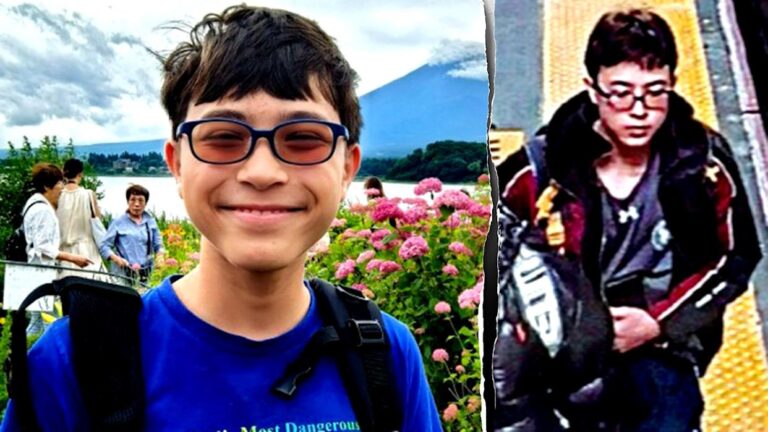
When paramedics arrived at a Volusia County, Fla., home on Jan. 1, 2024, they found a 14-year-old boy who weighed 33 pounds. His bones were visible through his skin. Scars, bruises and bedsores covered his body. He was not conscious, and he could not be saved.
The boy, identified in court records as Zayke Smith-Nelson, had starved to death inside a home where food was available, according to prosecutors. More than a year later, his mother, 45-year-old Talia Nelson, was sentenced to 32 years in prison after pleading no contest to aggravated manslaughter of a child and aggravated child abuse.
The case is among the most severe child neglect prosecutions in recent Florida history, and it has renewed scrutiny of how a child can deteriorate for years without the systems designed to protect him ever intervening.
What investigators found inside the home
The 7th Judicial Circuit State Attorney’s Office, which prosecuted the case, described a pattern of long-term deprivation rather than a single catastrophic event. Prosecutors told the court that Zayke’s weight of 33 pounds was roughly what a healthy 3-year-old might weigh. For a teenager, it indicated years of severe malnutrition.
Officers who responded to the home described a bedroom that resembled a sick ward. According to court reporting by True Crime News, the boy’s body showed scars, bruises and pressure sores consistent with being confined to one position for extended periods. Medical examiners found no underlying illness that could account for his condition. The cause of death was malnutrition and neglect.
Prosecutors said food was present in the household, but Zayke was not receiving adequate nutrition. He also had significant gaps in school attendance and medical records, cutting him off from the teachers and doctors most likely to notice something was wrong.
The plea and the sentence
Rather than go to trial, Nelson entered no contest pleas to both charges. Under Florida law, a no contest plea carries the same weight as a guilty plea for sentencing purposes, though it is not an admission of guilt.
The 7th Judicial Circuit State Attorney’s Office announced the 32-year sentence in early 2026. Nelson received the maximum 15 years for aggravated child abuse, to be served consecutively with 17 years for aggravated manslaughter, according to WESH. At 45, she will be in her late seventies before she is eligible for release.
Court officials described the case as “incomprehensible.” The word surfaced repeatedly during proceedings, reflecting the difficulty even experienced prosecutors had in explaining how a child could suffer so visibly for so long inside his own home.
A community left asking how
In Volusia County, the case forced a painful reckoning. Residents who followed the hearings heard prosecutors describe a household defined by isolation and control. Zayke was rarely seen in public. His absence from school and medical appointments meant the adults most trained to spot neglect never had the chance.
That pattern is familiar to child welfare researchers. Dr. Vincent Palusci, a pediatrician who has studied child maltreatment nationally, has noted that children who are withdrawn from school and medical care become effectively invisible to the safety net. When a caregiver is the source of harm, the child has no independent way to seek help.
Florida’s Department of Children and Families (DCF) has not publicly disclosed whether it received any reports about Zayke prior to his death. That question looms over the case: whether anyone flagged concerns and, if so, what happened to those reports.
Florida’s troubling pattern of child starvation deaths
The Nelson case is not an isolated tragedy. Florida has prosecuted several child starvation deaths in recent years, each exposing similar failures.
The most widely covered involved Sheila O’Leary of Cape Coral, who was sentenced to life in prison in 2022 after her 18-month-old son, Ezra, died of starvation. Prosecutors said the family adhered to a strict raw vegan diet that left the toddler severely malnourished. O’Leary was convicted of first-degree murder, aggravated child abuse and other charges. Her co-defendant and husband, Ryan O’Leary, was also convicted.
In that case, as in Nelson’s, the child had not been seen by a pediatrician in months. Food choices made by the parents, not poverty or scarcity, drove the deprivation. And the death only became a criminal matter after it was too late to help the victim.
Together, these prosecutions have established that Florida courts treat fatal child starvation as seriously as other forms of homicide, with sentences ranging from decades to life. But the cases also highlight a recurring gap: the harm is only addressed after a child has died.
The systemic blind spots
Child welfare experts point to several factors that allow starvation cases to go undetected. Families that homeschool or withdraw children from traditional schools remove a key layer of oversight. Parents who refuse routine pediatric visits eliminate another. And in Florida, where DCF caseworkers carry some of the highest caseloads in the country, stretched resources can mean that even flagged families slip through.
A 2023 report from the Florida Office of Program Policy Analysis and Government Accountability (OPPAGA) found that DCF investigator turnover remained high and that caseloads in some districts exceeded recommended levels. While the report did not address the Nelson case specifically, it described systemic pressures that child advocates say contribute to missed warning signs.
Legislation has been proposed in Tallahassee at various points to tighten reporting requirements and mandate welfare checks for children not enrolled in school, but comprehensive reform has been slow. Advocates argue that without better funding for frontline caseworkers and stronger coordination between schools, medical providers and law enforcement, sentencing alone will not prevent the next death.
What 32 years means, and what it does not
Nelson’s sentence sends an unambiguous message: a parent who starves a child to death in Florida will face prison time measured in decades. For prosecutors, that outcome was the point. The 7th Judicial Circuit State Attorney’s Office framed the case as one where the evidence left no room for leniency.
But for those who work in child protection, a long sentence is a signal of failure as much as justice. It means a child is already dead. The real measure of progress, they say, would be fewer cases reaching a courtroom at all.
Zayke Smith-Nelson was 14 years old. He weighed 33 pounds. He died on New Year’s Day 2024 in a home where there was food he was not given and help he never received. His mother will spend the next three decades in prison. Whether his story changes anything beyond that depends on what Florida does next.
About the Author