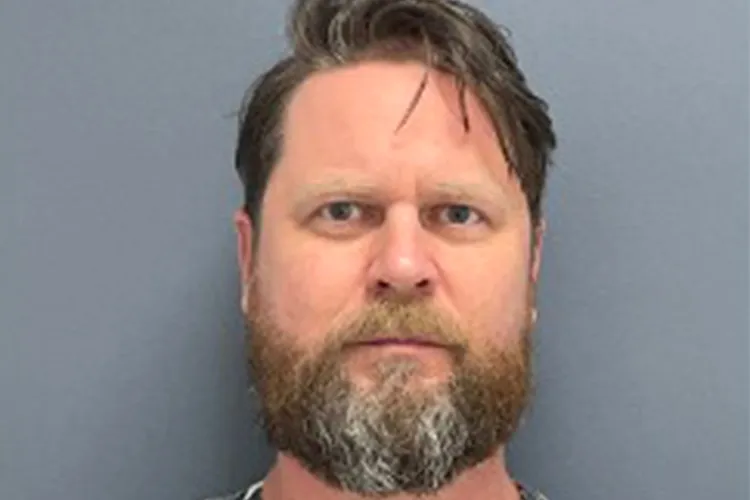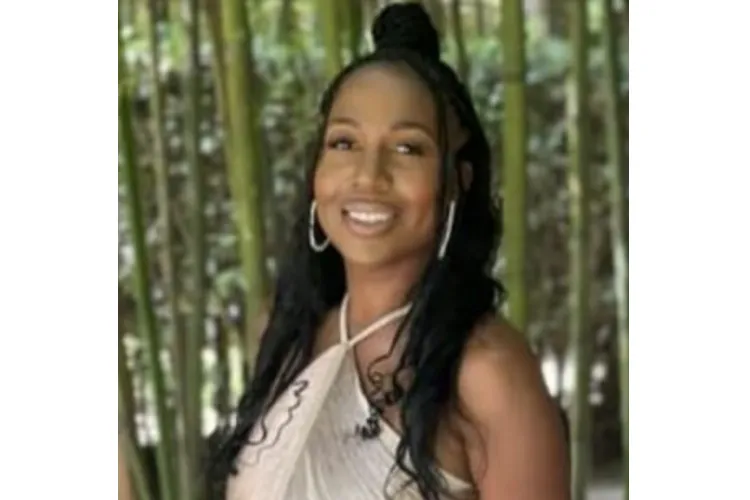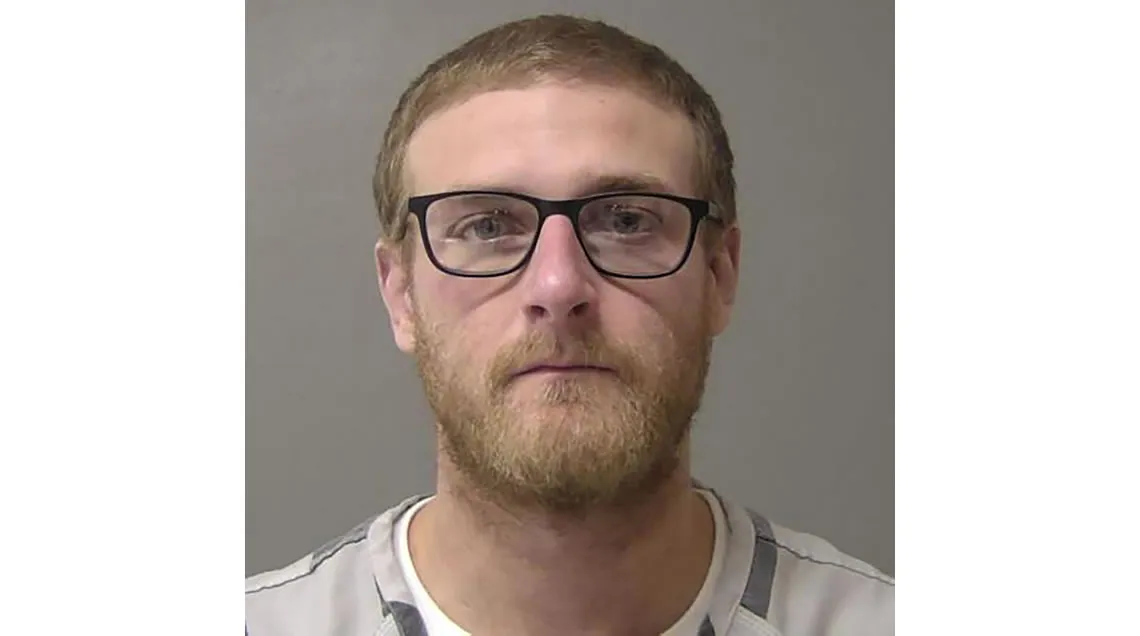
Sean Grayson, former Sangamon County sheriff’s deputy, was convicted in October 2025 of second-degree murder in the shooting death of Sonya Massey. (Source: Sangamon County Sheriff’s Department)
Sean Grayson, the former Sangamon County sheriff’s deputy who shot and killed Sonya Massey inside her Springfield, Illinois, home in July 2024, is serving a 20-year prison sentence. But as of April 2026, the Illinois Department of Corrections will not say where he is locked up, citing security and medical privacy concerns. That refusal has frustrated Massey’s family and transparency advocates who argue the public has a right to know where a convicted killer is being held, especially one who once wore a badge.
The night Sonya Massey was killed
On the night of July 6, 2024, Sonya Massey, a 36-year-old Black woman and mother, called 911 to report a possible prowler near her home on the south side of Springfield. Deputies Sean Grayson and another officer responded. Body camera footage released weeks later by the Sangamon County State’s Attorney showed that within minutes of entering Massey’s kitchen, Grayson drew his weapon and shot her in the face. She was unarmed. She died at the scene.
The footage ignited national outrage. President Biden and Vice President Harris both issued statements. Sangamon County Sheriff Jack Campbell fired Grayson before criminal charges were filed. Within days, a Sangamon County grand jury indicted him on charges including first-degree murder.
From arrest to guilty verdict
Grayson was arrested and held without bond. The trial was moved to Peoria County on a change of venue, and in November 2024, a jury convicted him of second-degree murder. The panel rejected the defense’s argument that Grayson was legally justified in using deadly force, but it also declined to convict on the original first-degree murder charge, finding that Grayson held an unreasonable belief that he was acting in self-defense.
Under Illinois law, second-degree murder is a Class 1 felony carrying a sentence of 4 to 20 years. The distinction mattered enormously: a first-degree conviction could have meant 45 years to life. For Massey’s relatives, who sat through every day of testimony, the lesser conviction was a painful compromise, though it still marked a rare instance of a law enforcement officer being found guilty of killing someone while on duty.
Maximum sentence and family reaction
At a sentencing hearing in early 2025, the judge imposed the maximum: 20 years in the Illinois Department of Corrections. Coverage of the sentencing noted how unusual it is for a former officer to receive the harshest penalty available. Prosecutors had argued that Grayson showed no remorse and that the killing was unprovoked. Defense attorneys asked for leniency, pointing to Grayson’s deteriorating health.
Massey’s family members addressed the court before the sentence was read. They described Sonya as a devoted mother, a woman of faith, and someone who had trusted the very system that failed her. Her father, James Wilburn, told reporters afterward that 20 years was not enough but that the sentence at least acknowledged his daughter’s life had value. Video from the courtroom captured the moment the sentence was announced and the emotional reaction from both sides of the gallery.
Where is Sean Grayson now?
That question has become its own controversy. Illinois Department of Corrections records, which are typically searchable by the public and list an inmate’s current facility, do not show Grayson’s placement. State officials have declined repeated requests from journalists and the Massey family to confirm where he is housed.
A Capitol News Illinois investigation found that corrections officials cited both security risks and medical privacy as reasons for the secrecy. Former law enforcement officers are often placed in protective custody or transferred to out-of-state facilities because they face heightened danger from other inmates. But experts quoted in the reporting said the blanket refusal to confirm even the state in which Grayson is incarcerated goes beyond standard practice.
ABC7 Chicago reported that one corrections policy expert suggested Grayson may be receiving specialized medical care at a facility equipped for his condition, which could further limit where he can be placed. Still, the lack of transparency has drawn criticism from civil liberties groups and from Massey’s family, who say they deserve to know where the man who killed their loved one is being held.
Cancer diagnosis and the fight over his sentence
The secrecy is closely tied to Grayson’s health. ABC7 Chicago confirmed that Grayson is undergoing cancer treatment while in state custody. The specific type and stage of his cancer have not been made public, but court filings indicate the diagnosis is serious enough to affect decisions about his housing and daily care.
Grayson’s defense team has used the diagnosis to push for a sentence reduction. At a hearing in Sangamon County, attorneys argued that his condition had worsened significantly since sentencing. One person present in the courtroom told reporters, “I did not know it was to this severity.” The motion put the judge in the position of weighing a convicted killer’s medical suffering against the family’s demand that the full sentence be served.
As of April 2026, no ruling on the sentence-reduction request has been made public. The case remains open on the Sangamon County docket, and further hearings are expected.
Why the secrecy matters
Illinois law generally treats inmate location as public information. The IDOC’s refusal to disclose Grayson’s whereabouts sets a precedent that worries transparency advocates. If the state can hide a high-profile inmate’s location indefinitely by citing vague security and health concerns, critics argue, it could do the same for any politically sensitive case.
For Massey’s family, the issue is more personal. They have said publicly that not knowing where Grayson is held makes it harder to trust that he is actually serving his time under the conditions the court ordered. James Wilburn has called on Illinois Governor JB Pritzker and the IDOC to release the information, so far without success.
The broader backdrop matters, too. Grayson’s hiring by the Sangamon County Sheriff’s Office has itself come under scrutiny. Reporting by multiple outlets revealed that he had been fired or forced to resign from at least two prior law enforcement positions and had a documented history of complaints. A federal civil rights investigation into the shooting was opened by the U.S. Department of Justice in 2024; its status has not been publicly updated.
Sonya Massey’s killing, conviction of her killer, and the ongoing secrecy around his incarceration have become a single, unfinished story. The 20-year sentence was supposed to close a chapter. Instead, the questions keep multiplying.
About the Author