Johnston County Sheriff's Office
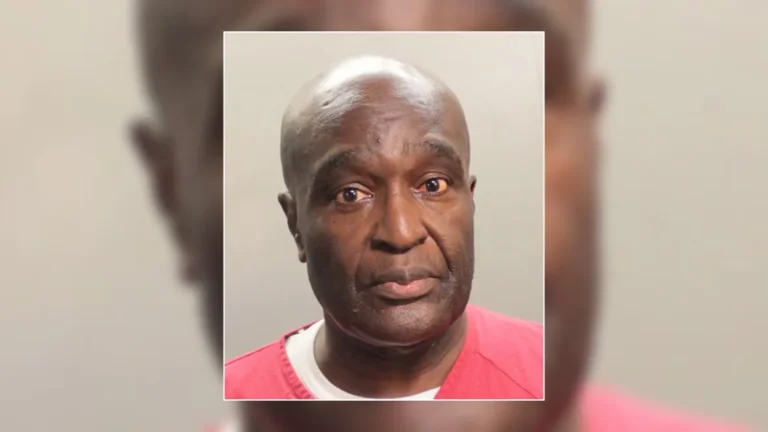
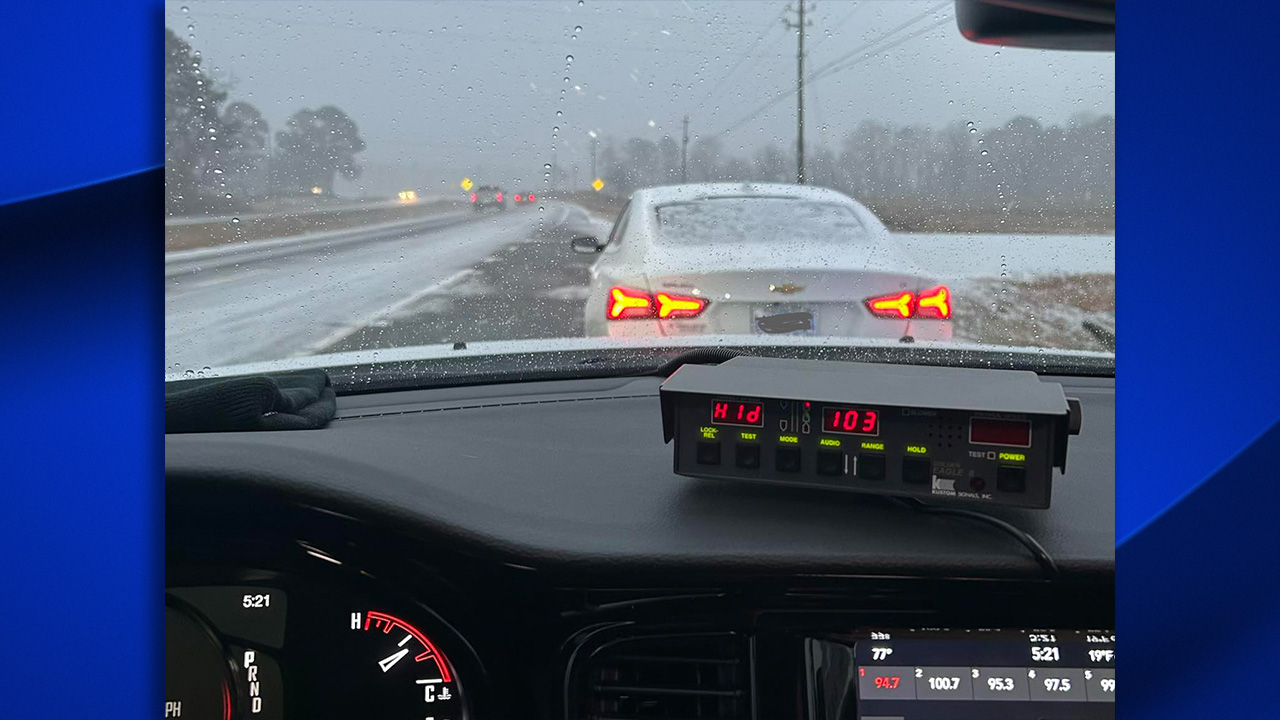
Deputies in Johnston County, North Carolina, say they clocked a car at 103 mph on a snow-covered stretch of U.S. Highway 70 near Princeton during a winter storm in early 2026. When they pulled the vehicle over, they found a 1-year-old child in the back seat with no car seat and no seat belt. The driver, 24-year-old Kierra Taina Taylor of Goldsboro, was arrested and now faces charges that include reckless driving, child abuse and impaired driving.
The case has drawn national attention because of how many dangers converged in a single traffic stop: triple-digit speed, icy roads, alleged intoxication and an unrestrained infant. What might have been a routine speeding citation became a multi-count criminal case that could carry years of prison time under North Carolina law.
What Deputies Say Happened on U.S. Highway 70
According to the Johnston County Sheriff’s Office, deputies were patrolling U.S. 70 while snow and ice still blanketed the roadway. Radar showed Taylor’s vehicle traveling at 103 mph in conditions that had slowed most other traffic to a crawl.
When deputies approached the car, they reported finding the 1-year-old sitting in the back seat completely unrestrained. There was no car seat in the vehicle, according to arrest records cited by WKRC-TV (Local 12). Deputies also reported that Taylor’s blood alcohol concentration tested above 0.08, the legal limit in North Carolina, adding an impaired-driving investigation to what had already become a serious stop.
Taylor was taken into custody at the scene. Arrest records show she posted bond and was released the following day.
The Charges Taylor Faces
The Johnston County Sheriff’s Office has charged Taylor with multiple offenses stemming from the stop:
- Reckless driving for allegedly operating a vehicle at 103 mph on snow-covered pavement.
- Driving while impaired (DWI) based on the reported BAC reading above the legal limit.
- Child abuse tied to the allegation that a 1-year-old rode unrestrained at extreme speed in dangerous conditions.
Under North Carolina General Statutes, a felony child abuse charge involving a serious risk of physical injury can carry significant prison time. A DWI conviction with aggravating factors, such as having a child under 18 in the vehicle, can also elevate sentencing. The reckless driving count, while typically a misdemeanor, adds to the overall picture prosecutors will present.
As of April 2026, no public statement has been reported from Taylor or a defense attorney regarding the charges.
Why 103 MPH on Snow Is So Dangerous
Speed and winter weather are a lethal pairing. According to the National Highway Traffic Safety Administration (NHTSA), speeding reduces a driver’s ability to steer safely around curves or obstacles, extends the distance needed to stop and increases the severity of a crash. On snow or ice, those risks multiply because tire traction drops sharply.
AAA’s Foundation for Traffic Safety has noted that on snow-packed roads, stopping distances can be four to ten times longer than on dry pavement. At highway speeds, that margin grows dramatically. At 103 mph on a snow-covered surface, a driver who needs to brake or swerve has almost no room for error before losing control entirely.
That reality is central to why deputies treated the stop as a life-threatening situation rather than a simple traffic violation.
The Missing Car Seat and the Child Abuse Allegation
North Carolina law (G.S. 20-137.1) requires children under age 8 and weighing less than 80 pounds to ride in a child restraint system that meets federal safety standards. For a 1-year-old, that means a rear-facing car seat, properly installed and harnessed.
Deputies say none of that was in place. The child was described in arrest records as “unrestrained” in the back seat while the car traveled at more than 100 mph through a winter storm.
In a crash at that speed, the forces involved are catastrophic. NHTSA data shows that unrestrained occupants are far more likely to suffer fatal injuries, and small children are especially vulnerable because their bodies cannot absorb the impact. Even a sudden hard brake at high speed could send an unsecured toddler into the front seats or dashboard with enough force to cause serious harm.
It is not yet publicly known whether the Johnston County Department of Social Services opened a separate investigation into the child’s welfare or whether the child was placed with another caregiver following the arrest.
What Comes Next
Taylor’s case will move through the Johnston County court system, where prosecutors will decide how to pursue the combined charges. The child abuse count is likely to be the most consequential. If charged as a felony, it could carry a prison sentence measured in years rather than months, particularly if prosecutors argue the child faced an imminent risk of death.
The DWI charge may also be treated more severely than a standard impaired-driving case. North Carolina law considers driving while impaired with a child in the vehicle a grossly aggravating factor at sentencing, which can push penalties toward the upper end of the statutory range.
For Johnston County residents, the case has already served as a blunt reminder about winter driving. Local news coverage, including a segment on road safety that referenced the arrest, has used the incident to underscore a simple point: when snow covers the highway, slowing down is not optional, especially with a child in the car.
About the Author