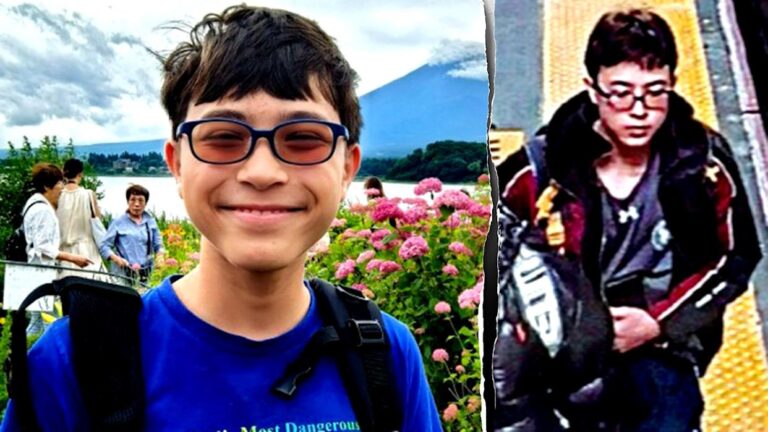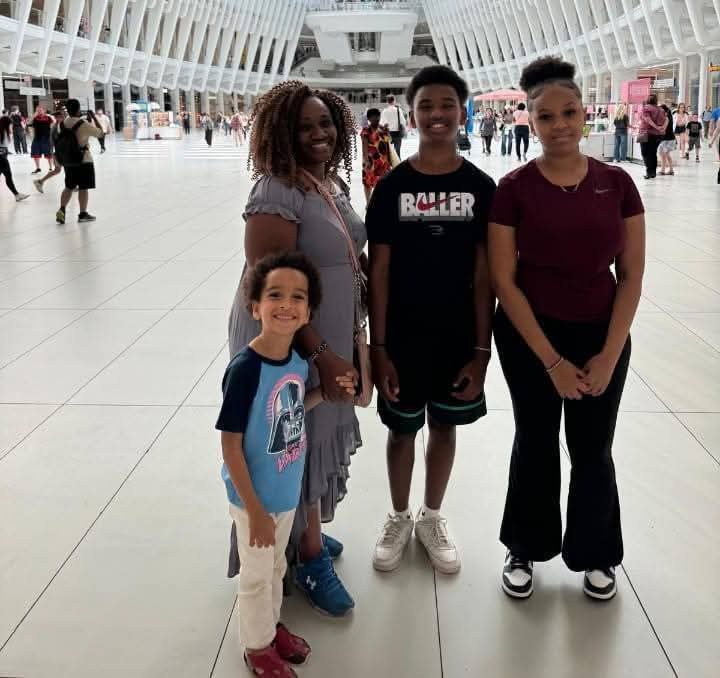
The three children who died in the Naivasha crash: From Left: Kairu Winkelpeck(In a blue shirt), Emmanuel DeLeon(In a black 'Baller' t-shirt) and Njeri DeLeon( in black trousers)./FILE
The family trip was supposed to be a homecoming, a chance for a Kenyan couple living in the United States to introduce their children to the country and relatives they had grown up with. Instead, it ended in a crash that killed all three siblings and left their parents alive to absorb a loss that feels almost impossible to name. The collision, which happened while they were on vacation, has rippled from rural Kenya to the American Midwest, pulling two continents into shared mourning.
Relatives, friends, and strangers have been trying to make sense of how a holiday could turn so suddenly into a lifetime of grief. The parents, who had flown in from their adopted home in the United States, survived the wreck, but their three children did not. In the weeks since, the story has become a kind of mirror, reflecting both the fragility of family rituals and the strength of a community that refuses to let this couple grieve alone.
The crash that shattered a holiday homecoming
The family had traveled from their life in Waterloo, Iowa to spend the holidays in Kenya, a trip that blended vacation with the deeper pull of going back home. They were driving along the busy Nairobi–Nakuru Highway when their vehicle was involved in a serious crash near Soysambu in Gilgil, a stretch of road that cuts through the Rift Valley and carries a constant stream of long-distance traffic. According to reporting on the collision, the impact on that highway in Soysambu, Gilgil, abruptly ended the lives of the three children and turned what had been a celebratory visit into a scene of chaos and emergency sirens.
Details from local coverage describe how the collision on the Nairobi–Nakuru route left the parents alive but critically injured, with one of them placed in a medically induced coma in the immediate aftermath. The children, who were 13, 6, and 3 years old, all died from injuries sustained in the crash, a fact later confirmed in accounts that described the wreck as “devastating” for the family. The parents’ survival, set against the loss of all three siblings, has been framed by relatives as both a mercy and a cruel twist, forcing them to wake up to a world where their children are gone while they themselves must keep living.
A Kenyan American family caught between two worlds of grief
The mother, identified as Wangui Ndirangu, is a Kenyan woman based in Waterloo, Iowa, in the United States, and relatives say she had been excited to bring her children “home” for the holidays. The family’s life in the American Midwest, with school runs and workdays, had been layered on top of deep roots in Kenya, and this trip was meant to reconnect those threads. Instead, the children’s bodies were later cremated at Kariokor Crematorium in Nairobi, a stark and final ritual that relatives attended while also worrying about how the parents would cope once they returned to their empty home in the United States.
Friends describe the couple as part of a tight-knit Kenyan diaspora community in the United States, people who juggle life in American cities with constant calls and remittances back to family in East Africa. That network has now become a lifeline. Kenyans in the diaspora and at home have rallied around the couple, sharing messages of support and organizing financial help after the crash along the Nairobi–Nakuru highway was confirmed in local reports. The parents’ survival, including the detail that one was kept in a medically induced coma after the accident, has been shared in updates that underline just how physically and emotionally brutal the aftermath has been for them.
Community support and the long road ahead for the parents
As news of the crash spread, online tributes began to pour in, many of them from people who had never met the family but recognized their story as one that could easily have been their own. Posts shared on social media described a US-based Kenyan family mourning the loss of three children in a road accident, and they quickly drew comments from Kenyans abroad and at home who wanted the parents to know they were not alone. Fundraisers and prayer meetings have been organized both in Kenya and in the United States, with diaspora groups using their networks to help cover medical bills, funeral costs, and the practical logistics of shuttling between continents in the middle of grief.
Coverage of the tragedy has emphasized that the parents survived while all three siblings died, a detail that has resonated deeply with readers who see in it a particularly cruel kind of arithmetic. Reports describing how the children, aged 13, 6, and 3, died in a vehicular crash in Kenya while both parents lived have been shared widely, often with messages urging safer roads and better enforcement on major highways. At the same time, the language used by those close to the family has focused less on policy and more on presence: checking in on the parents, planning for counseling, and figuring out how to support them once they return to Waterloo, where every room in their home will carry reminders of the three siblings who never made it back from vacation.
About the Author