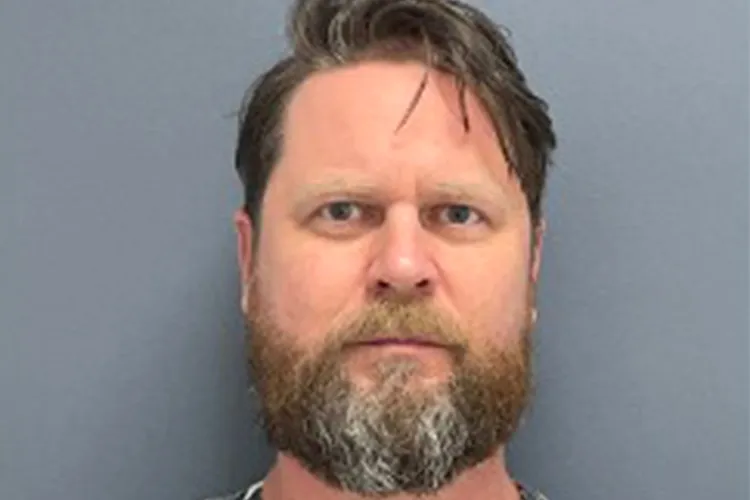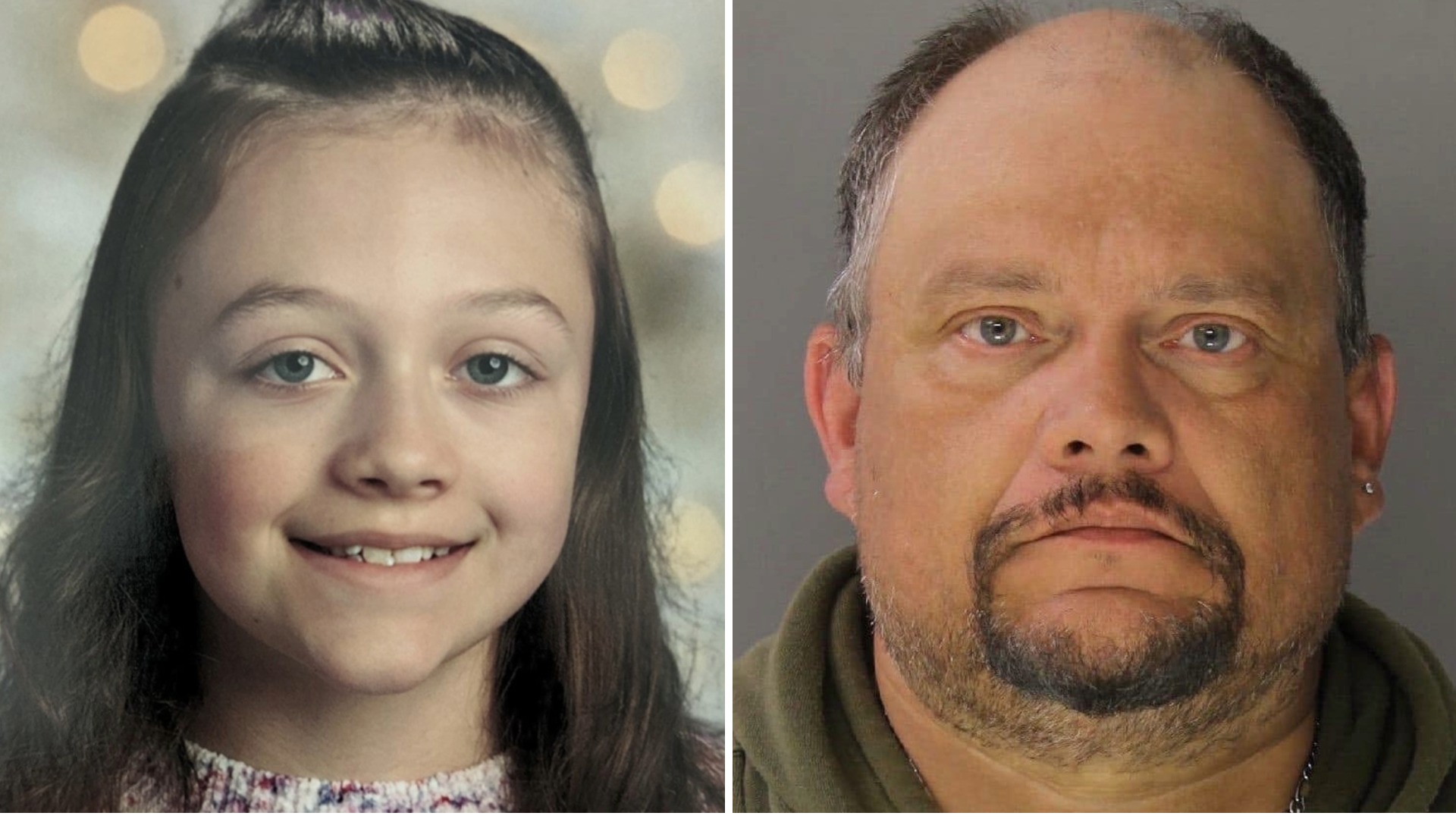
Malinda Hoagland / Rendell Hoagland
A Chester County, Pennsylvania, father pleaded guilty in March 2026 to first-degree murder in the death of his 12-year-old daughter, Malinda Hoagland, who weighed just 50 pounds when she was brought to a hospital on May 4, 2024. Rendell Hoagland, 54, admitted in court to killing the girl after what prosecutors described as years of starvation, beatings and physical restraint inside the family’s West Caln Township home.
What Rendell Hoagland admitted in court
Hoagland pleaded guilty to first-degree murder and conspiracy, according to the Chester County District Attorney’s Office. Prosecutors said he “repeatedly and systematically” abused Malinda over an extended period, using restraints, withholding food and inflicting escalating physical violence. The plea eliminates the need for a trial and carries a mandatory sentence of life in prison without the possibility of parole under Pennsylvania law.
The conspiracy charge indicates prosecutors believe Hoagland did not act alone. Malinda’s mother has also been charged in connection with the abuse, though details of her case and current legal status were not part of the father’s plea proceeding. The DA’s office has described a household in which adults coordinated to isolate the child and conceal her condition from the outside world.
What the evidence showed
When Malinda arrived at the hospital on May 4, 2024, she weighed approximately 50 pounds, a weight more typical of a five- or six-year-old. Medical staff could not save her. An autopsy revealed virtually no fat reserves, severe muscle wasting and multiple bone fractures in various stages of healing, pointing to repeated assaults over months or years rather than a single event.
Charging documents describe a child whose life had been reduced to confinement inside the home. Prosecutors said Malinda was shackled and denied adequate nutrition as part of a pattern that grew more severe over time. Investigators who reviewed the evidence called it among the worst cases of child abuse they had encountered.
How Malinda disappeared from view
A central question in the case is how the abuse continued for so long without outside intervention. According to prosecutors, the family withdrew Malinda from in-person schooling and enrolled her in a cyber school program, effectively removing her from regular contact with teachers, counselors and school nurses who are trained to spot signs of neglect or abuse.
Once Malinda left the classroom, the routine checkpoints that exist for most children vanished. Neighbors in West Caln Township, a rural stretch of Chester County roughly 50 miles west of Philadelphia, described the family as private and largely unseen. No information has been made public about whether child protective services received or investigated any complaints about the household before Malinda’s hospitalization.
That gap troubles child welfare professionals. Pennsylvania law designates teachers, doctors and other professionals as mandatory reporters of suspected abuse, but those systems depend on someone actually seeing the child. When a family withdraws from public life, the safety net has no thread to pull.
The sentence and what comes next
Hoagland’s guilty plea to first-degree murder with aggravating circumstances locks in a life sentence with no parole eligibility. He will be transferred to a Pennsylvania state correctional facility to serve that term. The mother’s case remains pending, and prosecutors have not publicly detailed a timeline for those proceedings.
In the wake of the plea, local advocates have renewed calls for stronger oversight when children transition out of traditional schools. Some have pushed for mandatory welfare checks when a student abruptly shifts to home-based or online education, particularly when there is no prior academic or medical record to establish a baseline. Others have called for expanded training so that medical professionals, neighbors and community members feel more equipped to report concerns even from limited contact.
None of those proposals would bring Malinda back. But the details that emerged from her father’s guilty plea have forced a public reckoning in Chester County over what it means when a child simply stops being seen.
About the Author