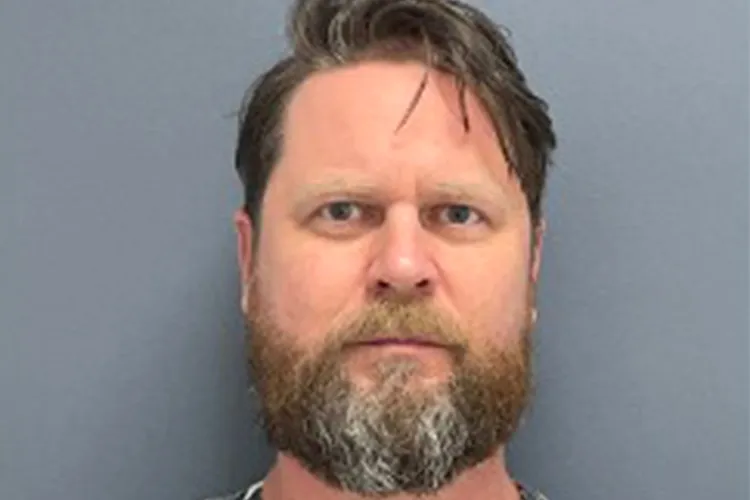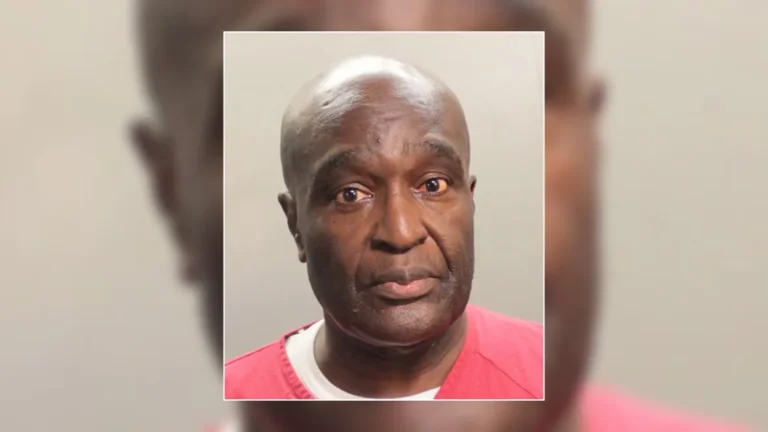
Credit : Lancaster County Jail
When nurses at Bryan Medical Center West Campus in Lincoln, Nebraska, first saw the 12-year-old boy brought to their emergency room in late January 2026, he could not lift himself off the gurney. He could not speak. He weighed 47 pounds, roughly what a healthy 5-year-old weighs, and his core body temperature had plummeted to 80°F, nearly 19 degrees below normal. He was in septic shock with pneumonia, according to court records cited by People.
A nurse immediately reported suspected child abuse to Lincoln police. That call set off a criminal investigation that has since led to the arrest of the woman responsible for the boy’s care and, weeks later, a second family member.
The Charges Against Angela Lowe
Angela Lowe, 46, of Lincoln, was arrested at her home on a Thursday in late January 2026 and booked into the Lancaster County Jail, according to 1011 NOW. She faces felony child abuse, assault, and false imprisonment charges in connection with the boy’s condition, per court documents reviewed by Yahoo News.
The false imprisonment count is particularly telling. In child abuse cases, that charge typically indicates prosecutors believe a child was physically confined through locked rooms, restraints, or threats. Combined with the felony abuse and assault charges, the indictment signals that the Lancaster County Attorney’s Office views this not as neglect that spiraled out of control but as sustained, deliberate violence against a child who depended entirely on his caregiver.
Under Nebraska law, first-degree felony child abuse involving serious bodily injury carries a potential sentence of up to 50 years in prison. Court records do not yet indicate whether Lowe has entered a plea or retained defense counsel.
What Investigators Found
Charging documents paint a picture of prolonged starvation and physical mistreatment. Prosecutors allege the boy was intentionally denied food and restrained over an extended period, leaving him so weakened that basic functions failed, according to Law & Crime’s review of the filings.
To put the medical details in perspective: a healthy 12-year-old boy in the United States typically weighs between 75 and 100 pounds, according to CDC growth charts. At 47 pounds, this child had lost roughly half the body mass expected for his age. A core temperature of 80°F constitutes severe hypothermia, a condition that can cause organ failure and cardiac arrest if untreated. Physicians who treat pediatric malnutrition cases say recovery from this level of deprivation often takes months of careful refeeding, physical therapy, and psychological support.
The boy’s current medical status has not been publicly disclosed.
How the Abuse Came to Light
According to Lincoln Police Department statements reported by 1011 NOW, Lowe herself brought the boy to Bryan Medical Center West Campus. It was a nurse on duty who recognized the severity of his condition and contacted law enforcement, a decision that transformed a hospital admission into a crime scene.
Police have not publicly explained what prompted Lowe to seek medical care after what prosecutors describe as months of abuse. That question, whether she panicked when the boy’s condition became life-threatening or whether some other factor forced her hand, is likely to become a focal point at trial.
A Second Arrest Widens the Case
The investigation did not stop with Lowe. In early February 2026, a 44-year-old relative was also arrested in connection with the case, according to a follow-up report by a local news outlet. Specific charges against the second individual have not been widely detailed in public filings as of March 2026.
Separately, True Crime News reported that other family members allegedly knew the child was being starved and physically abused inside the home but did not report it. If substantiated, that allegation raises the possibility of additional charges or civil liability for those who witnessed the boy’s deterioration and stayed silent.
The Question No One Can Avoid
A 12-year-old does not reach 47 pounds overnight. The weight loss, the infections, the hypothermia all point to a timeline measured in months, possibly longer. So where were the systems designed to catch this?
Court records and news reports have not clarified the boy’s relationship to Lowe, whether he was her biological child, a foster placement, or a relative in informal guardianship. That distinction matters. Children in the formal foster care system are subject to regular caseworker visits and school enrollment checks. Children in informal family arrangements often fall outside those oversight structures entirely.
It is also unclear whether the boy was enrolled in school at the time of his hospitalization. KPTV’s reporting on the court records describes a child too weak to move or speak, suggesting he had been isolated for a significant period. Teachers, school nurses, and coaches are among the most common mandatory reporters of child abuse in the United States. If the boy had no regular contact with any of them, one of the most reliable safety nets simply did not exist for him.
Nebraska’s Department of Health and Human Services, which oversees child protective services in the state, has not publicly commented on whether the boy was known to the agency before his hospitalization.
What Comes Next
Lowe’s case is now moving through Lancaster County District Court. The felony charges she faces carry the potential for decades in prison, and the second arrest in February suggests prosecutors are building a broader case that could implicate multiple adults in the household.
Defense attorneys, when they appear, will likely contest the timeline of abuse, argue over who bore primary responsibility for the boy’s care, and challenge the state’s characterization of intent. Those are standard defense strategies in cases built largely on medical evidence and household dynamics.
For the boy, the road ahead is measured differently. Pediatric recovery from severe malnutrition and prolonged trauma is not a straight line. It involves refeeding protocols that must be carefully managed to avoid dangerous metabolic complications, months of physical rehabilitation, and long-term mental health treatment. His name has been withheld from public reports to protect his identity, and no family spokesperson has made any public statement on his behalf.
The criminal case will determine legal accountability. The harder question, how a child wasted away inside a home where multiple adults lived and no one outside those walls noticed, does not have a courtroom answer.
About the Author