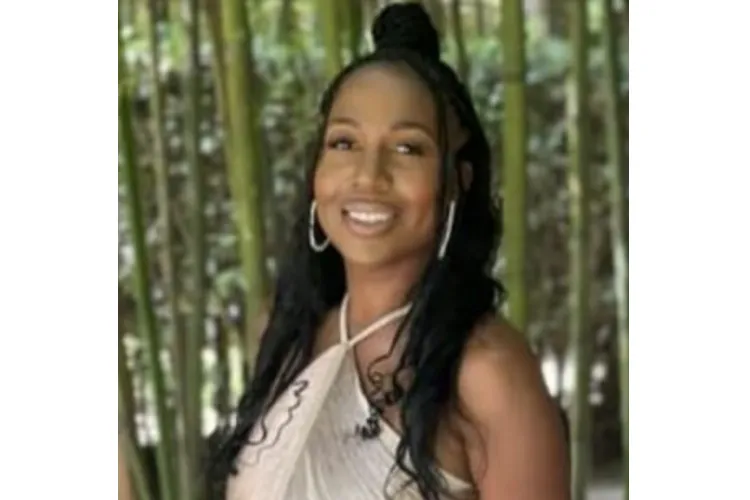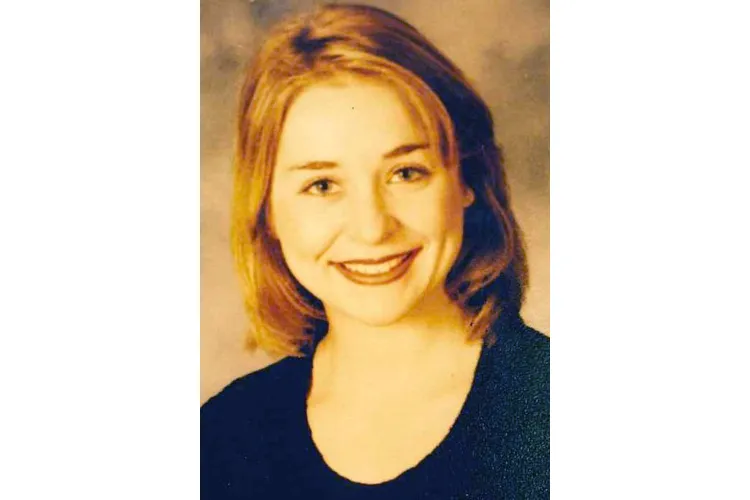
Suzanne Jovin, 21. Credit : CT Division of Criminal Justice
Credit : CT Division of Criminal Justice
The killing of Yale senior Suzanne Jovin in New Haven still hangs over the city like unfinished business. Nearly three decades on, investigators, former classmates, and complete strangers are still trying to understand how a promising 21-year-old ended up brutally stabbed on a quiet residential street. The case has become one of New England’s most stubborn cold cases, a mix of vivid details and maddening gaps that refuses to fade with time.
What keeps people coming back is not only the horror of the crime but the sense that answers might still be out there. The timeline is tight, the neighborhood was busy, and the investigation has never really stopped. For those who have spent years with the file, the idea that someone has gotten away with this for so long is less a mystery than a challenge.
The final night and a crime that never made sense
Suzanne Nahuela Jovin was a senior at Yale University, deeply involved in campus life and planning her future when she was attacked after leaving an off campus church where she had been volunteering. Earlier that evening she had been helping run a holiday party for adults with developmental disabilities, a role friends say fit perfectly with her calm, organized style. According to a detailed state summary of the Suzanne Jovin Homicide, she returned a borrowed Yale station wagon, then headed back on foot toward campus, juggling end of semester tasks like any other student.
On her way to Phelps Hall around 9:25 p.m., she crossed paths with classmate Peter Stein on Old Campus, a brief encounter that would become one of the last confirmed sightings of her alive. Not long after, she was seen again in New Haven’s East Rock neighborhood, far from where friends expected her to be. She was found about 30 minutes after leaving the holiday gathering, lying near the curb in New Haven, Connecticut, as one account notes that found about 30 after leaving the party. She had been stabbed 17 times in the back and neck, a level of violence that stunned even veteran investigators and that is described in a detailed account of the.
From intense suspicion to a long, grinding cold case
In the early years, the investigation focused heavily on one figure, a Yale lecturer named Van de Velde who had advised Suzanne on her senior thesis. Police interest in him was intense and public, even though he was never charged. Over time, that focus unraveled. Van de Velde later reached a settlement with Yale and, after the case damaged his academic career, began teaching at Johns Hopkins University, receiving at least $200,000 as part of the resolution of his claims. A separate review of the file by state authorities later concluded there was no probable cause to charge him, a shift that forced investigators back to the broader, messier question of who else might have crossed paths with Suzanne that night.
As the years passed, the case moved into the hands of the Connecticut Cold Case Unit, which now keeps a detailed public summary of the open investigation. That file notes that despite extensive forensic testing, interviews, and reexaminations of earlier leads, no suspect has been arrested. A broader overview of the Murder of Suzanne underscores how the case has cycled through theories about strangers, acquaintances, and even passing motorists, none of which have stuck. For detectives, that history is both a warning and a motivator, a reminder that early assumptions can mislead and that the answer may lie in something that once seemed minor.
Memory, pressure, and a renewed push for answers
Even as the file has aged, the people around it have not let it go. Former investigators like Kendall, a retired New Haven detective, have stepped back into the spotlight to urge the public to come forward with anything they remember. In one recent interview, Kendall described how law enforcement and civilian agencies have worked hard on this investigation and stressed that Law enforcement and are still actively reviewing tips. They have pointed people toward a dedicated email address at the New Haven State’s Attorney’s Office, a small but concrete sign that the case is not sitting untouched on a shelf.
On the anniversary of the killing, supporters gather in New Haven to remember Suzanne and to keep pressure on authorities. A recent memorial post shared a photo of Suzanne in the fall of 1996 when she was nineteen years old and noted that a little more than two years later she was dead, with the page, Suzanne Jovin Memorial, inviting people to share memories Tonight and every year. Former reporter Randall Beach has written about how retired investigators Jack Edwards and Marcy Pillsbury, both of whom worked on the case, have attended these gatherings, with one account noting that, According to former remain in close touch with the Connecticut Cold Case Unit. Their presence is a quiet signal that the people who knew the file best still believe it can be solved.
About the Author