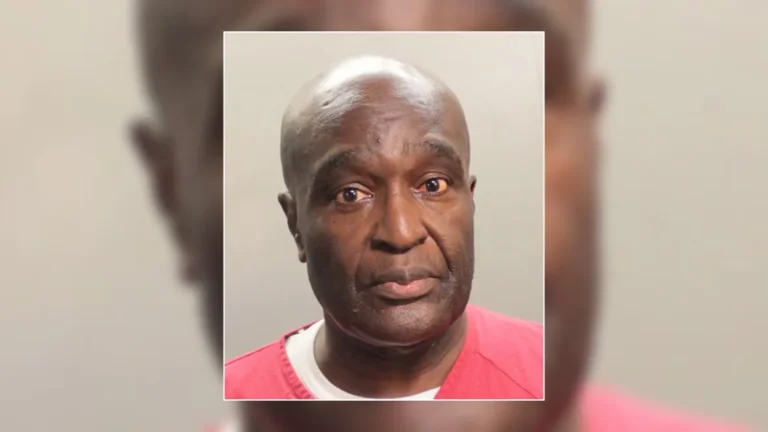
Jacqueline ‘Mimi’ Torres-Garcia. Credit : GoFundMe
Credit : GoFundMe
The story of an 11-year-old girl found dead in Connecticut has taken an even darker turn, with a young woman now admitting she pretended to be the child on a video call meant to check on her safety. Instead of reassuring social workers that the girl was alive and well, the call allegedly helped hide the fact that Jacqueline “Mimi” Torres-García was already gone.
At the center of the case is a chilling confession about a Zoom-style meeting with child welfare officials, where an adult posed as the missing girl while her mother faced growing scrutiny. The details emerging from court paint a picture of a system that relied on a glitchy screen and a few minutes of small talk to decide whether a child was safe.
The Zoom call that fooled child welfare workers
According to testimony in a Connecticut courtroom, a 22-year-old woman has acknowledged that she pretended to be 11-year-old Jacqueline “Mimi” Torres-García during a virtual check-in with the state’s Department of Children and Families. The woman told the court that she appeared on camera as Mimi during a video meeting with child welfare social services, even though the real child was already dead. In that call, she was expected to convince officials that Mimi was living safely with her family, and she now admits that the entire appearance was a lie.
The woman has said she joined the online meeting because she believed the family’s children were at risk of being removed, and she thought playing along would help keep them together. In court, she described how she posed as an 11-year-old girl on a Zoom call, answering questions meant for Mimi and reassuring the Department of Children and Families that everything was fine. That performance, investigators now say, helped delay the moment when authorities realized something was terribly wrong.
A dead child, a murder charge, and a friend in the witness box
The impersonation is only one part of a broader criminal case that centers on Mimi’s death and the role of her mother, Karla Garcia. Garcia is facing murder charges in connection with the death of Jacqueline “Mimi” Torres-García, while another woman is accused of taking part in the abuse but is not charged with killing the child. In court filings and testimony, prosecutors have described how Karla Garcia was already under scrutiny when the fake video call took place.
The woman who pretended to be Mimi has been portrayed as a close associate of Garcia, someone who was drawn into the situation as the pressure from child welfare officials increased. In a probable cause hearing for another defendant, identified as Nanita, a witness testified that she joined a virtual meeting with the Department of Children and Families and impersonated Mimi in order to help the family avoid further DCF action. Prosecutors say that while she is accused of participating in the abuse, she does not face the same murder count that now hangs over Karla Garcia.
Inside the testimony: how the impersonation unfolded
In court, the 22-year-old laid out a step-by-step account of how the deception worked. She said that on a Wednesday, she logged into a video meeting with the Department of Children and Families and introduced herself as Mimi, following instructions she had been given in advance. According to her testimony, she was told that the children in the home were at risk of being taken away, and that her job was to convince the caseworker that Mimi was safe and living with relatives. She described how, during that Wednesday call, she answered basic questions about school and daily life, trying to sound like a preteen girl.
Her account lines up with separate reporting that a woman told a Connecticut court she had impersonated 11-year-old Jacqueline “Mimi” Torres-García during a video call with child welfare staff, months after the child’s death. That witness said she believed Mimi was staying with an aunt in another state and that she simply repeated what she had been told to say when the caseworker asked where the girl was living. The testimony has drawn sharp attention to how a single video call with Connecticut officials became the main proof that Mimi was still alive.
The role of Goulet and the story about an aunt
Another key figure to emerge in the case is a woman identified as Goulet, described as a friend of Mimi’s mother. Goulet has admitted that she pretended to be the dead 11-year-old girl during a child welfare video call, and she has said she believed Mimi was staying with an aunt in another state. According to her account, she relied entirely on what Garcia told her, repeating the same story to the caseworker in order to keep the family from facing more questions. In her own words, she thought the impersonation would help the household avoid extra scrutiny from the state.
Goulet’s description of events fits with the broader narrative that the adults around Mimi were actively working to keep child welfare workers at arm’s length. She has said that she believed Mimi was with family elsewhere and that she did not know the girl was dead when she joined the call. Her statements, which refer repeatedly to Mimi and to what Garcia allegedly told her, have become a central part of the prosecution’s effort to show how the mother and her circle tried to dodge oversight from child protection officials.
How a video check-in replaced real contact
The case has also raised uncomfortable questions about how heavily agencies now lean on video calls to monitor children who might be at risk. In Mimi’s situation, the Department of Children and Families accepted a short virtual appearance as proof that the 11-year-old was alive and safe, even though she had already died. A woman has testified that she joined that child welfare video call months after the child’s death and that her impersonation helped the family avoid deeper scrutiny. That admission has fueled criticism that remote check-ins, while convenient, can be far too easy to manipulate.
According to the 22-year-old’s testimony, the call with the Department of Children and Families was arranged after concerns that the children in the home might be removed, and she was told that her performance could help keep the family intact. She has said that she followed a script about where Mimi was living and what her daily life looked like, and that the caseworker accepted those answers without insisting on an in-person visit. The fact that the impersonation took place during a virtual meeting with social services has become a cautionary example of how digital tools can fail when the stakes are life and death.
About the Author