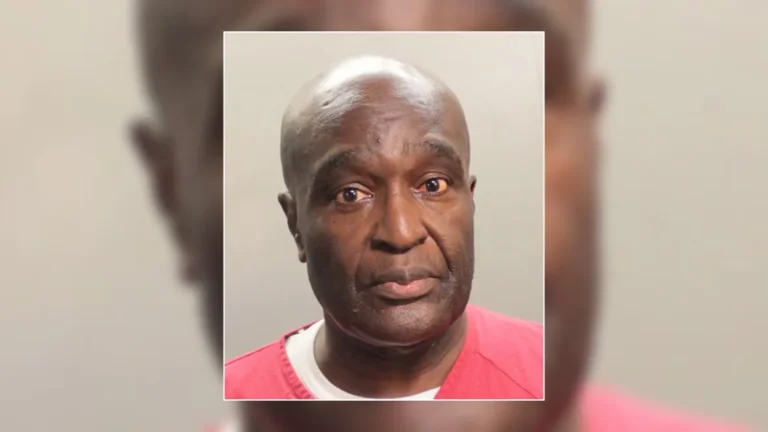
AP Photo/ Pool, Victoria Arocho
The man convicted of a brutal attack on a Rhode Island grandmother is back in court, asking for another chance to argue his innocence as graphic details of the crime resurface. Jeremy Motyka, now 50, is challenging the case that put him behind bars for life, saying key evidence was faked and his defense never had the full story. His push for a new trial is reopening deep wounds in Little Compton and raising hard questions about how the system handles the worst kinds of violence.
At the center of it all is 66-year-old Angela Spence-Shaw, a beloved local volunteer whose killing in 1999 shook the quiet coastal town. The horror of what happened to her has never really faded, and now, with Motyka’s latest legal move, the community is being forced to relive it in painstaking detail.
The crime that shattered Little Compton
Prosecutors said Jeremy Motyka broke into the home of Angela Spence-Shaw in Little Compton, sexually assaulted her, and then tried to stage the scene to look like a tragic accident. Angela Spence-Shaw, described as a 66-year-old grandmother and active member of the Little Compton Garden Club, was found in a bathtub with a hairdryer, a setup investigators argued was meant to disguise a calculated killing as an electrocution mishap. The case quickly became one of the most disturbing crimes the small town had ever seen, and the details of the attack still hang over the community decades later, as laid out in accounts of the 1999 assault.
By 2001, a jury had convicted Motyka of first-degree murder and first-degree sexual assault in the killing of Angela Spence-Shaw, and he was sentenced to life without parole. At trial, investigators pointed to forensic evidence, including DNA, and to the staged bathroom scene as proof that the attack was deliberate and cruel. Reporting on the case notes that Jeremy Motyka, now 50, was found guilty of attacking the 66-year-ol victim and leaving her in the tub, a narrative that has defined him in the public eye ever since, according to summaries of the original conviction.
The life sentence under new scrutiny
Two decades later, that supposedly airtight case is under attack from Motyka himself. In recent court filings, he claims that Rhode Island State Police planted DNA evidence that was used to secure his conviction, an allegation that strikes at the heart of the prosecution’s forensic narrative. He also argues that his trial lawyer did not have critical information at the time, saying his defense was hamstrung from the start and that the jury never heard the full picture. These claims are laid out in filings that accuse Rhode Island State of misconduct and challenge the reliability of the DNA that helped put him away.
Motyka’s legal team is seeking post-conviction relief, a process that allows long-closed cases to be reopened if there is evidence of constitutional violations or serious errors. Earlier this month, his latest move was argued in Washington County Superior Court, where a judge did not rule on the spot but instead asked both sides to submit written arguments before deciding whether the case deserves a full hearing. That hearing focused on whether Motyka’s allegations about planted DNA and ineffective counsel, which he has repeated in multiple filings, are strong enough to justify revisiting a life sentence that has stood since 2001, according to descriptions of the post-conviction bid.
Inside the fight for a new trial
For Motyka, the stakes could not be higher. He is serving life without parole, and his petition argues that the conviction itself is tainted, not just that the sentence is harsh. In filings highlighted by legal analysts, he insists that key forensic evidence, including DNA, was mishandled or fabricated, and that his original defense lawyer lacked access to information that might have undercut the state’s case. Those arguments echo through coverage that notes how Jeremy Motyka, now 50, is leaning heavily on challenges to DNA evidence and claims of ineffective assistance as he pushes for another day in court.
Prosecutors, for their part, are not treating this as a close call. In Washington County Superior Court, His latest move was argued earlier this month, and the state urged the judge to dismiss the petition as meritless, signaling that they see no credible basis to reopen the case. The judge has ordered both sides to file written submissions, a step that keeps the matter alive but offers no hint yet of which way the decision might go, according to accounts of the Superior Court hearing.
About the Author