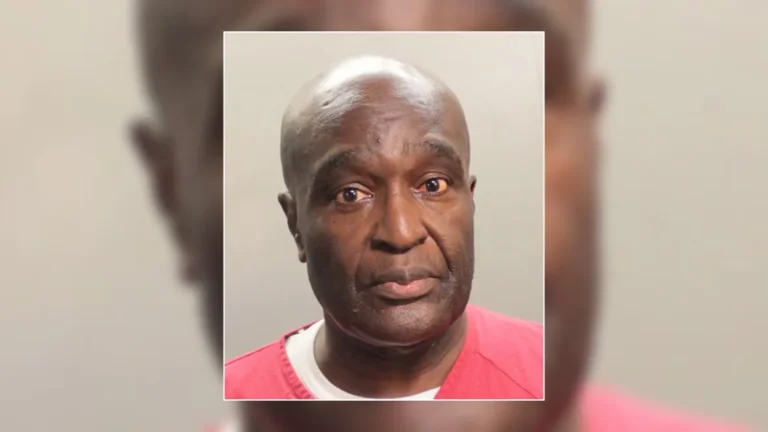
Matt Lauer; Brooke Nevils. Credit : Peter Kramer/NBC/NBC Newswire/NBCUniversal via Getty; T.JACKSON / BACKGRID
Credit : Peter Kramer/NBC/NBC Newswire/NBCUniversal via Getty; T.JACKSON / BACKGRID
Matt Lauer is back in the headlines, even if he would rather not be. His accuser, former NBC producer Brooke Nevils, has published a book detailing her allegations against the onetime morning show star, and people close to him say he is deeply frustrated by the renewed scrutiny but no longer shocked by it. The former anchor appears to have accepted that stories about the scandal will keep surfacing, even as he insists on his version of events and tries to keep living a quieter life.
The new book does more than reopen an old tabloid saga, it lays out in granular detail what Nevils says happened between her and Lauer and what followed when her name became public. Her account, and his continued denial, are colliding again in the court of public opinion, raising fresh questions about power, consent and what accountability looks like years after a career-ending fall.
How Lauer Is Reacting To The Book Now
Nearly a decade after he was fired from NBC, Matt Lauer is watching his past resurface in hardcover. People who have spoken with him say he is “not happy” about Brooke Nevils’ decision to publish, and that anger is mixed with a weary recognition that his name will always be tied to her allegations. According to those sources, he has “come to terms with bad press” and no longer expects any wave of sympathetic coverage to rescue his reputation, even as he privately fumes about what he sees as an unfair portrait of his behavior in the book.
Those same insiders describe a man who is still “angry” that the allegations have defined his legacy, but who also understands that there is no realistic path back to the role he once had. They say he has built what they call a “good life” away from television, leaning on family and a small circle of friends, and that he has accepted that the scandal will always be the first line of his public biography. In their telling, he has shifted from trying to manage every headline to simply enduring the latest round of coverage about Brooke Nevils and the fallout from NBC.
What Nevils Alleges In Her Book
Brooke Nevils is not just revisiting old headlines, she is filling in details that were only sketched out when her complaint first surfaced at NBC. In her account, she describes a night when she says Lauer ordered rounds of vodka shots, which she drank, before he invited her back to his hotel room. Once there, she alleges, he sexually assaulted her, an encounter she now frames as rape, citing the power imbalance between a famous anchor and a much younger producer and the physical evidence she recalls afterward, including bloody underwear and sheets. She writes that even with those details, she struggled for years to label what happened as an assault, a tension she unpacks in the pages of her memoir.
Her narrative also walks through the professional and personal consequences once she reported Lauer internally and, later, when her identity leaked. Nevils says that after she came forward, she left the network and eventually found herself “in a psych ward,” a stark description of the mental health toll she links directly to the public storm around her allegations and the internal handling of her complaint at NBC. She writes about spiraling after her name appeared in the press, about the pressure of being known as “the woman who accused Matt Lauer of rape,” and about how that label followed her into new jobs and private spaces alike, a story she has now laid out in detail for readers and for outlets that have highlighted her time in a psych ward.
His Denial And The Power-Differential Debate
Lauer has consistently rejected Nevils’ version of events, insisting that what happened between them was “completely mutual and consensual.” In his view, the encounter was part of an affair between two adults, not a crime, and he has bristled at language that casts him as a predator. That framing runs headlong into Nevils’ emphasis on the “overwhelming power differential” between a star anchor and a junior employee, a gap she argues made true consent impossible and left her feeling unable to say no in that hotel room, a point she underscores in her writing.
The clash between those two narratives is not just about one night, it is about how workplaces handle relationships that cross lines of rank and influence. Nevils has said she kept quiet publicly for a long time because she did not initially recognize the encounter as assault, only later connecting the dots between the alcohol, the career stakes and the physical aftermath she describes in graphic detail. Lauer, for his part, has leaned on the idea that adults can make private choices even in lopsided professional relationships, a stance that may resonate with some but sits uneasily in an era that has forced a harder look at how consent works when one person controls the other’s assignments, travel and future at a place like NBC News.
The Toll On Nevils After Her Name Went Public
If Lauer has been living with a damaged public image, Nevils has been living with the intimate fallout of being identified as his accuser. She writes that after her name leaked, she spent time in a psychiatric facility, describing a period when she felt overwhelmed by anxiety, depression and the sense that her life had been reduced to a single, painful story. Accounts of her book say she connects that hospitalization directly to the way her complaint was handled and to the media frenzy that followed, detailing how she ended up “in a psych ward” after leaving Today and NBC.
Her story also captures the quieter, less visible costs of coming forward. She describes struggling to find her footing professionally, feeling watched in new workplaces and fielding invasive questions about the most traumatic night of her life. In one account, she explains that after “the woman who accused Matt Lauer of rape” became a public identity, she spent significant time and money on therapy and other care, trying to rebuild a sense of self beyond the scandal linked to Matt Lauer of NBC. The book, in that light, reads not only as an accusation but as an attempt to reclaim her own narrative from years of headlines that reduced her to a footnote in someone else’s downfall.
Why A Comeback Looks “Radioactive”
Behind the scenes, there has been periodic chatter about whether Lauer could ever return to television in some form, perhaps in a streaming or podcast role. People familiar with the industry’s thinking say that window was already narrow, and that Nevils’ book has effectively slammed it shut. One insider described any project involving him as “radioactive,” arguing that no network or platform wants to inherit the risk of aligning with a figure whose name is now shorthand for a high-profile workplace scandal, a sentiment echoed in commentary that greeted the new book.
That assessment lines up with what sources say about Lauer’s own expectations. They describe him as having “come to terms” with the idea that his days as a marquee host are over, even if part of him still misses the adrenaline of live television and the influence that came with anchoring a show built on compelling human interest stories. He is said to be focused instead on maintaining a low profile, spending time with his children and managing the occasional flare-up of coverage when something like Nevils’ book release puts him back in the spotlight. For an industry that has moved on to new faces and new scandals, the idea of rebuilding “Matt Lauer Is Not Happy About Accuser Brooke Nevils Book Has” into a marketable brand looks less like a long shot and more like a nonstarter.
About the Author