a couple of alligators are laying in the grass
The case sounds almost too brutal to process: a 5-year-old girl left alive in an alligator-filled canal, her final moments unfolding in the dark water of the Everglades. After years of legal twists, a jury has now decided that the man responsible will spend the rest of his life in prison instead of facing execution. Their choice closes one chapter in a long-running Florida murder case, even as it reopens hard questions about justice, mercy, and what it means to weigh a life against a crime like this.
Jurors were asked to decide whether the man who left the child to be attacked by alligators should die for what he did. In the end, they chose life without parole, a punishment that keeps him behind bars but stops short of the death chamber. For the child’s family, and for the surviving victim who watched the case unfold again decades later, that verdict lands somewhere between relief and heartbreak.
The Night In The Everglades
The story starts with a car ride that turned into a nightmare. Prosecutors said the man abducted a young mother and her two daughters, including the 5-year-old, and drove them toward the remote edges of the Everglades, far from help or witnesses. At one point during the drive, they said he locked the older girl, Shandelle, in the trunk, turning the car itself into a weapon of control and terror.
According to trial testimony, Maycock, the girls’ mother, was beaten until she lost consciousness and left for dead on the side of the road. She later regained awareness, stumbled to safety, and found help, while her daughters were still in the hands of the man who had attacked her. By the time authorities pieced together what had happened and reached the canal, the 5-year-old had been left in water thick with alligators, and rescuers could only recover what was left of her remains.
The Man At The Center Of It All
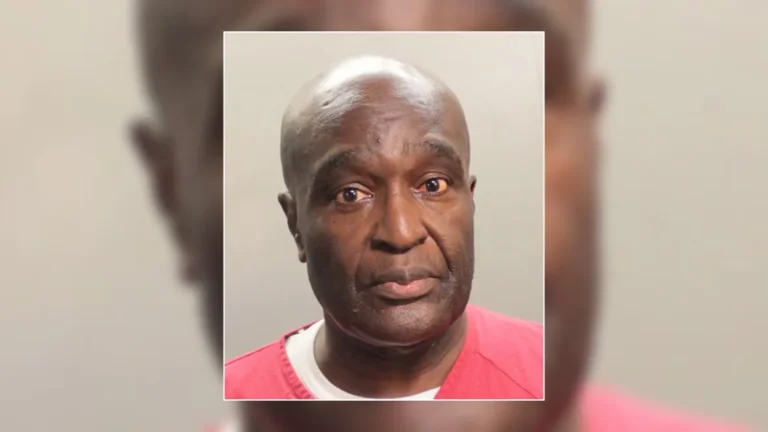
The defendant, Harrel Braddy, is not some faceless figure in his twenties. He is 76, a man whose age alone complicated the question of punishment. Jurors were told that he had already been convicted of abducting the family and leaving the child in the canal, and that the girl’s death was not an accident but the foreseeable result of abandoning a 5-year-old in an alligator-infested stretch of water. For the state, his age did not erase the cruelty of what happened in that canal.
Earlier in the case’s history, a different jury had recommended a death sentence, a decision that was later thrown out after Florida changed how capital punishment recommendations must be made. That legal shift forced the courts to revisit whether Braddy should live or die, sending the case back into a penalty phase and putting the surviving family through another round of testimony. By the time the latest jury was seated, they were not deciding guilt, only whether the man who had already been found responsible would be executed.
Inside The Penalty Phase
In the new sentencing hearing, prosecutors leaned hard into the horror of the crime. They reminded jurors that the child was not killed instantly, that she was left alive in the canal, and that the environment around her was full of alligators. One account described how Florida officials explained the canal as a place where predators were a constant presence, making it clear that leaving a small child there was essentially a death sentence. The state framed the act as calculated and unforgiving, arguing that only the harshest punishment could match the cruelty.
The defense, on the other hand, tried to humanize Braddy and highlight his age and health. They pointed to his decades behind bars and suggested that a life sentence would already be a severe outcome for a man in his seventies. In their telling, execution would not bring the 5-year-old back, but it would lock everyone into another cycle of appeals and hearings. Jurors listened as both sides walked through the same grim facts, this time not to decide what happened, but to decide what should happen to the man who caused it.
The Jury’s Life-Or-Death Call
When the jury finally came back, they chose life in prison without the possibility of parole. Their decision meant that Braddy would die in a cell, but not by lethal injection. One report noted that he hugged his attorneys as the Jury filed out, a small, almost jarring moment of relief in a courtroom built around a child’s death. For the prosecution, it was a mixed result: they had secured a permanent punishment, but not the one they had asked for.
Coverage of the verdict emphasized that the panel had spared him the death penalty even after hearing how the girl, often identified as Quatisha “Candy” Maycock, was left to be attacked by gators. A national report described how a Life sentence was imposed after jurors weighed the brutality of the crime against the mitigating factors presented by the defense. Another account noted that the case was covered by NBC, which highlighted how the decision came after a long legal journey that had already stretched across decades.
A Long Legal Road And A Raw Aftermath
The path to this verdict was anything but straightforward. Earlier this year, coverage of the case pointed out that the resentencing was happening not because of new evidence and not because the original jurors had changed their minds, but because Florida law had shifted on how death sentences must be decided. That change forced courts to revisit older capital cases, including Braddy’s, and to give defendants a new shot at life or death decisions. In his case, it meant the family had to sit through another penalty phase, hearing the details of the Everglades night all over again.
For the surviving victims, the legal technicalities do not erase the trauma. Girl and mother were central to the narrative in court, their suffering used to show both the scale of the crime and the lasting damage. Reports described how WKRC coverage focused on the emotional weight of the testimony, while other accounts noted that She had to face Braddy in court again after already surviving his attack. The verdict may close the courtroom chapter, but the emotional fallout will not follow the same neat timeline.
About the Author