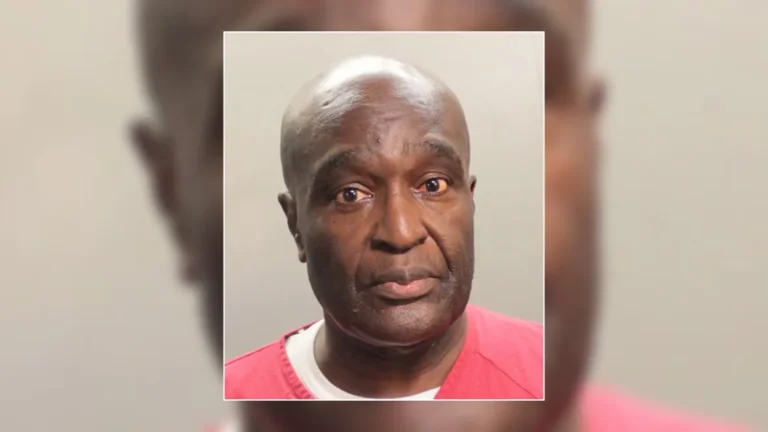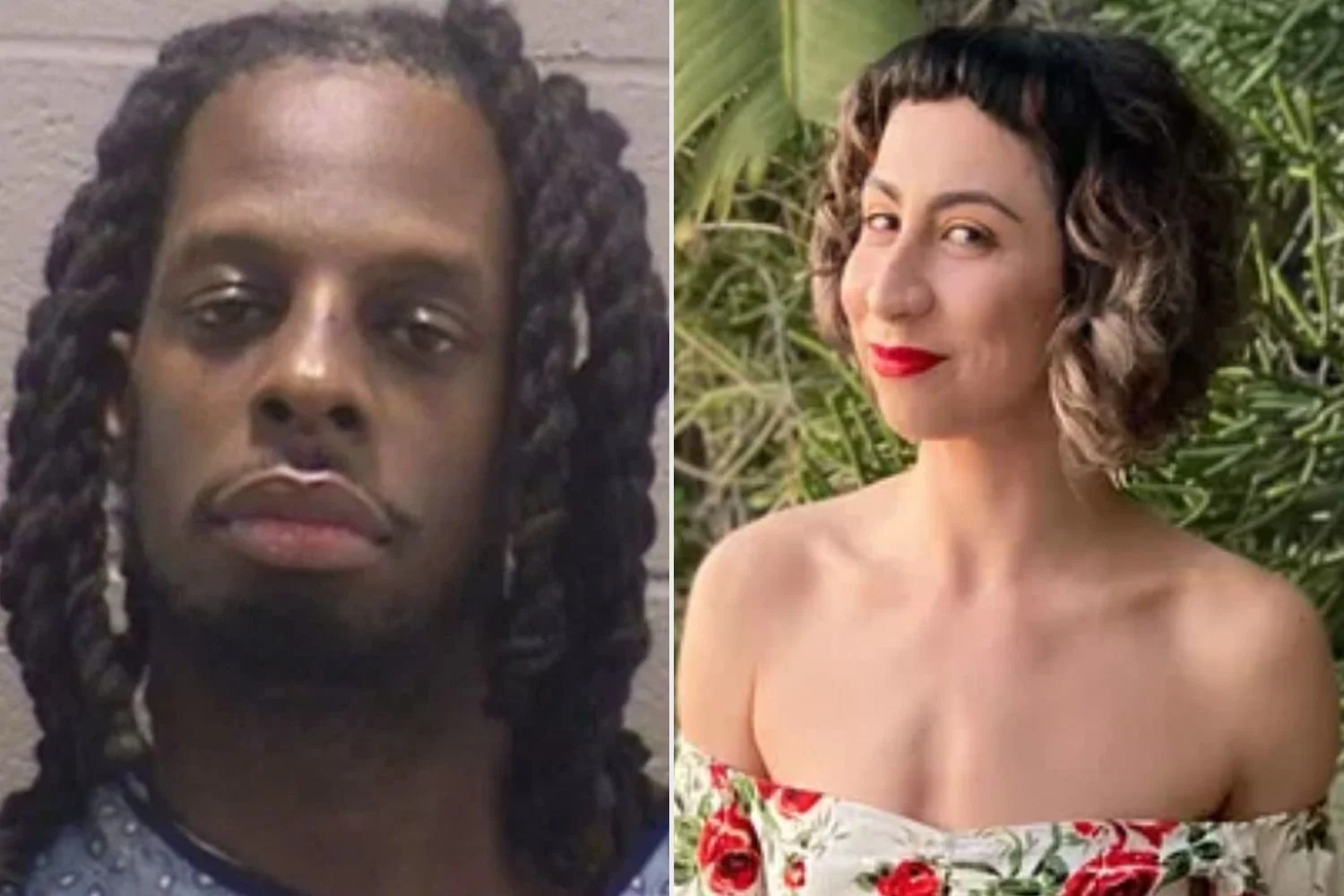
Stephon Dubose mugshot; Angela Risi Durham Police Department; GoFundMe
Durham Police Department; GoFundMe
A young woman who built her life around movement and performance was gunned down after drawing a basic boundary about dating, according to investigators. Prosecutors say her boyfriend admitted he opened fire when she refused to commit to an exclusive relationship, turning a conversation about labels into a fatal act of control. The case has rattled a campus community and reignited hard questions about how quickly jealousy and entitlement can escalate into deadly violence.
The night a boundary turned lethal
Investigators say the confrontation that ended in gunfire started with a conversation most couples have at some point, only this one unfolded with a gun in the room. Court records describe how 32-year-old Stephon Dubose told police he shot his girlfriend after she said she did not want to be exclusive with him. Instead of accepting that answer or walking away, he allegedly responded by firing multiple rounds, a choice that investigators say turned a private disagreement into a homicide scene.
The victim, 30-year-old dancer Angela Risi, was hit repeatedly and later died at the hospital, according to police summaries. Another account of the shooting describes how the boyfriend allegedly fired 11 rounds, hitting her several times before fleeing, details that surfaced in a social media post titled Man Murders Duke, which cited investigators who said she later died at the hospital. The violence, authorities say, was not about a long history of disputes or a complicated financial feud, but about a man who refused to hear the word “no” in a conversation about commitment.
A rising artist with roots in San Diego
Friends and family describe Angela as someone who had finally found her lane and was sprinting down it. Originally from San Diego, Calif, she had built a reputation as a dedicated performer who poured long hours into rehearsal studios and late-night choreography sessions. At the time of her death, she was pursuing an MFA in dance at Duke Universit, splitting her time between graduate seminars, studio work and performances that showcased her blend of contemporary technique and personal storytelling.
Online tributes refer to her by her full name, Angela Marina, and paint a picture of a woman who was as serious about her craft as she was about her independence. A fundraising page shared by loved ones, labeled Angela Marina RisiGoFundMe, describes a tight-knit family now trying to cover funeral costs and honor the projects she left unfinished. For them, the story is not about a headline-ready motive, but about a daughter and sister whose life was cut short in a city far from home.
The boyfriend’s admission and legal fallout
On the legal side, the case has moved quickly compared with many homicide prosecutions. In a plea agreement outlined in court documents, Stephon Dubose admitted to the 2023 shooting, acknowledging that he killed Angela after she rejected his push for exclusivity. Another summary of the agreement notes that the NEED TO KNOW section lists him as 32, a detail that underscores how a man well into adulthood still chose violence over a difficult conversation. By entering the plea, he sidestepped a full trial but locked in a record that ties his own words to the killing.
Separate reporting describes him as a North Carolina man who told police outright that he pulled the trigger when she would not commit to him, a blunt admission that strips away any pretense of confusion about motive. In that same account, he is also linked to charges involving possession of a weapon, reinforcing how access to a firearm turned a moment of anger into a permanent loss. For Angela’s family, the plea may spare them the ordeal of a trial, but it also cements in the public record that her life ended because someone decided her autonomy was negotiable.
Inside a pattern of control and entitlement
Strip away the legal language and this case looks painfully familiar to advocates who track intimate partner violence. A boyfriend who cannot tolerate a partner’s boundaries, a gun close at hand, and a split-second decision that reveals how he saw her less as a person and more as something he was owed. One social media post that amplified the case, using phrases like Exclusive and Relationship in its description, framed the shooting as the extreme end of a mindset that treats romantic partners like property. When that mindset collides with a firearm and a refusal to accept rejection, the results can be catastrophic.
Law enforcement accounts also hint at a broader web of concern around the accused. In a separate case highlighted by crime-focused pages, Officers described a man facing charges after allegedly shooting and killing his girlfriend, then detailed how authorities also identified several associates who might face their own legal exposure. That separate snapshot, while not directly tied to Angela’s case, shows how often these killings do not come out of nowhere, but out of circles where violence, weapons and control already sit close to the surface. When someone like Angela tries to draw a line, she is not just negotiating a label, she is sometimes stepping into the path of that entire pattern.
The family’s grief and the questions left behind
For Angela’s loved ones, the legal filings and social media posts are just background noise to a much more personal loss. Her father, identified in one summary as Matteo Risi, learned of his daughter’s death through a call that no parent wants, and later saw her story filtered through crime write-ups and campus emails. A report that organized the case under a NEED TO KNOW banner noted how he declined to comment further, a choice that reads less like distance and more like a boundary of his own in the middle of public grief. For a family that watched Angela leave San Diego, Calif to chase a graduate degree, the idea that her life ended over a conversation about exclusivity is almost impossible to process.
On campus and in the wider dance world, the questions are more collective. How does a community support students who are navigating relationships far from home, often with limited support networks. What does it look like for friends to take seriously the early signs of control, jealousy or threats, especially when those red flags show up in texts and late-night calls rather than police reports. Advocates point to cases like Angela’s, and to other accounts where a man is facing after allegedly killing his girlfriend, as reminders that the line between “messy breakup” and “life-threatening situation” can be thinner than people want to admit. For Angela, that line vanished in a single burst of gunfire, leaving a family, a campus and a community of artists to carry her story forward.
About the Author