Turpin Family: Diane Sawyer David-Louis Turpin/Facebook; Manoli Figetakis/Getty
David-Louis Turpin/Facebook; Manoli Figetakis/Getty
The youngest Turpin siblings are finally telling their story in their own words, years after escaping the infamous “House of Horrors” and then enduring fresh trauma inside the very foster system that was supposed to protect them. Their first public interview pulls the camera back on a saga that did not end with a daring 911 call, but kept unfolding in courtrooms, social services offices, and crowded group homes.
What they describe is not just a family nightmare, but a stress test of how child welfare works when the whole world is watching. Their voices now cut through the old headlines, forcing a hard look at how such extreme abuse by David and Louise Turpin could go undetected for so long, and how new abusers were able to step in once the children were freed.
The escape from the Turpin “House of Horrors” and the first taste of freedom
For years, the Turpin children lived almost entirely out of sight, trapped in a Perris, California home that authorities would later call a “House of Horrors.” The youngest siblings now describe how, inside that house, daily life meant hunger, isolation, and the constant threat of punishment if they broke rigid rules set by Their parents, David and Louise. At times, the children were chained to their beds or confined in cages, a level of cruelty that stunned even seasoned investigators when the story finally broke into public view.
The turning point came when one of the older sisters climbed out of a window and called 911, a moment that veteran journalist Diane Sawyer has highlighted as the hinge between captivity and a new, uncertain future. In a video message shared in Jan, she described The Turpin family as “a house of horror,” noting that Some of the 13 children had been tortured and held prisoner before that escape, and Then everything changed when a terrified teenager reached for a phone and asked for help, as she recounted in an online reel. Former detective Thomas Salisbury, who worked the case, has since spoken about how the investigation into David and Louise Turpin exposed deep gaps in how authorities track and respond to extreme child abuse, reflecting on the early days of the probe in an extended interview.
From rescue to new trauma in foster care
When the children were removed from their parents’ control, the public narrative quickly shifted to relief, with many assuming that the hardest part of their journey was over. The youngest siblings now say that was not the case. In their first on-camera conversation, three of the Turpin siblings sit down with Diane Sawyer and speak publicly for the first time about what happened after the rescue, describing how the promise of safety collided with a foster care system that was not ready for the weight of their needs, as seen in a televised interview. The youngest Turpin siblings recount how they tried to adjust to ordinary routines like school, shared meals, and simple freedoms, while still carrying the scars of years of control inside the House of Horrors, a story they now share in depth in a new profile.
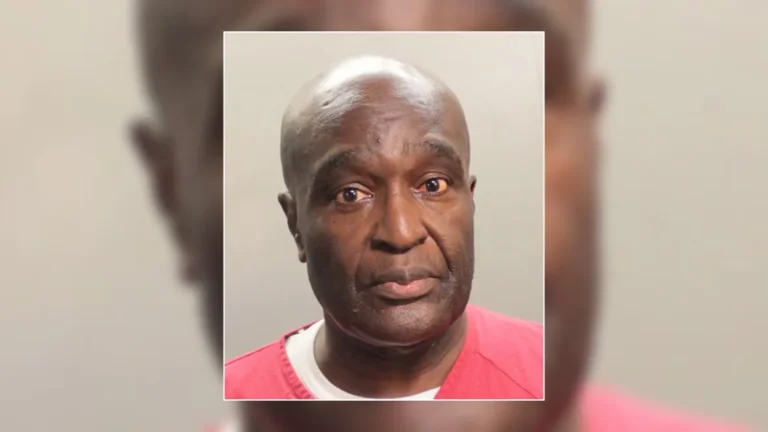
Instead of a clean break from abuse, several of the siblings landed with foster parents who would later be accused of harming them again. Foster parents of several Turpin siblings were eventually charged and then sentenced on child abuse counts, after They pleaded guilty to child endangerment and related offenses tied to their treatment of the children, according to a detailed court summary. Attorney Elan Zektser has said that the Turpin children tried to speak up about what was happening in that foster home, but, as he put it, “many times, they were shut down,” describing how reports of mistreatment were allegedly ignored or minimized by people who should have intervened, in comments captured in a recorded interview.
The fallout from that second wave of abuse has stretched into civil court. Turpin kids are now poised to receive a payout after being abused for 3 years by a foster family that had been publicly praised for “saving” them from their parents’ torture, with one report describing how the settlement traces back to what happened inside their home in Perris, California, in an Exclusive account. The siblings have also filed a broader civil lawsuit against Riverside County, arguing that officials failed to protect them from years of abuse both before and after the rescue, and court filings note that Some of the older Turpin children are now out on their own, in college or working, while others continue to navigate services that the county says it is trying to improve through a significant reduction of caseloads, according to a recent legal update.
About the Author