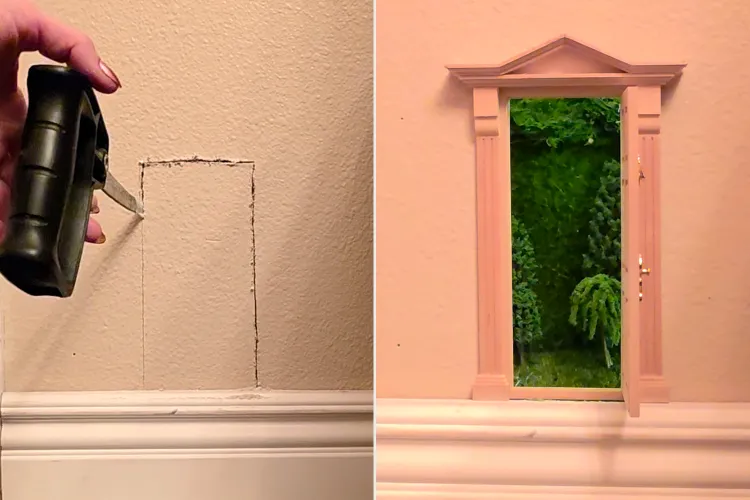
Mom Builds ‘Chore Fairy’ House That Finally Gets Son to Clean His Room
A mom who was tired of stepping on toy cars and dodging laundry piles decided to stop nagging and start storytelling. She built a tiny “Chore Fairy” house in her young son’s bedroom, turned cleaning into a game, and watched his once-chaotic space stay spotless without a single meltdown. Her low-tech hack taps into something parenting experts have been saying for years: kids are far more likely to cooperate when chores feel magical instead of mandatory.
The project took just a few minutes and a lot of imagination, but the payoff has been huge. Her son now races to tidy up so the fairy can “visit,” and the room that used to be a battleground has quietly become the calmest corner of the house. Other parents are taking notes, because the idea blends old-school make-believe with a surprisingly effective behavior strategy.
How One Fairy House Turned Chaos Into “Spotless”
The mom, identified as Feb in coverage of the story, had tried the usual tactics to get her child to pick up his things, from sticker charts to stern reminders, and none of it stuck. What finally clicked was a clever way to motivate her young by reframing cleaning as part of a secret ritual. She installed a small fairy door and house in his room, complete with tiny details that made it feel like a real resident might appear when he was not looking. The twist was simple: the “Chore Fairy” only visited when the room was clean, and she left little notes or trinkets as proof.
According to Feb, once the fairy house went up, her son’s room “has remained spotless” and the daily arguments vanished. The child now treats cleaning as a way to invite the fairy in, not as a punishment for being messy. The house itself was not an elaborate craft project, either. Feb has said the whole setup took just minutes from start to finish, which makes the transformation even more striking. The power was not in the materials, but in the story wrapped around them, and in the way it gave her son control over when the fairy might appear.
Why Kids Buy Into Chore Magic
What looks like a cute Pinterest idea is actually a textbook example of how young children respond to play-based motivation. The “Chore Fairy” gives a clear, concrete rule, the room must be clean for a visit, and pairs it with a reward that feels mysterious and fun. Instead of hearing another lecture about responsibility, the child gets to participate in a game where he can earn tiny surprises by doing something that used to feel like a drag. That shift from “because I said so” to “so the fairy can come” is exactly the kind of narrative that tends to stick in a child’s mind.
The approach lines up with what long-running programs like the House Fairy have been preaching for years. The House Fairy concept is built on the idea that children “want to cooperate” when they enter what its creator calls “Clean for Compa,” a playful mode where they tidy up to impress a whimsical visitor rather than to avoid adult frustration. The promise that the House Fairy is coming is described as “exciting to children,” and that excitement is what turns a chore into a challenge they actually want to meet. Feb’s tiny fairy house is essentially a homegrown version of the same psychology, tailored to her son’s room and his imagination.
Borrowing the Idea Without Losing the Magic
Parents who see Feb’s success might be tempted to rush out, buy a fairy door, and expect instant miracles. The real lesson, though, is not that every child needs a miniature house on the wall, but that kids respond when adults respect their inner world. The Chore Fairy works because it is consistent, the rule about a clean room never changes, and because the rewards are small but reliable. A sticker, a short note, or a tiny toy car can all carry more weight than a big lecture when they arrive as part of a story the child believes in. The key is that the parent stays in character, keeps the visits occasional enough to feel special, and resists the urge to turn the game into another form of pressure.
For families who are not into fairies, the same structure can be adapted to almost anything a child loves. A “Dinosaur Inspector” could leave footprints on a freshly made bed, a “Robot Charger” might only power up when the floor is clear, or a “Space Captain” could drop mission badges into a toy bin that has been sorted. Feb’s experience shows that when a parent invests a few minutes in building a tiny world around a task, a child is more likely to invest their own energy in keeping that world alive. The payoff is not just a clean room, but a daily routine that feels less like a standoff and more like a shared secret between parent and child.
About the Author