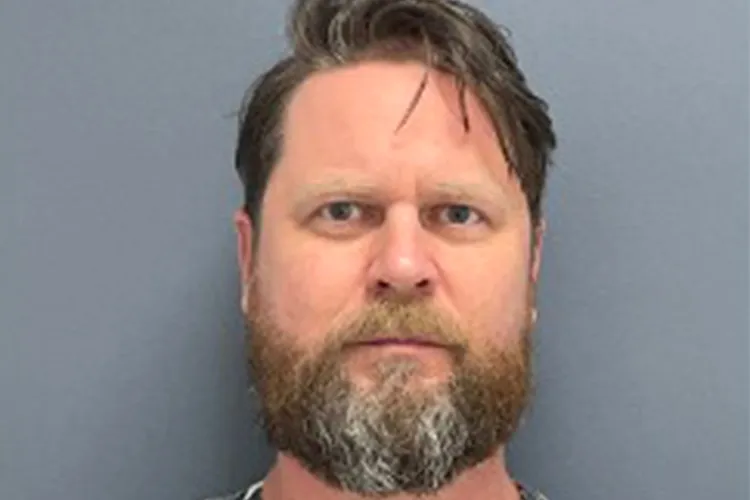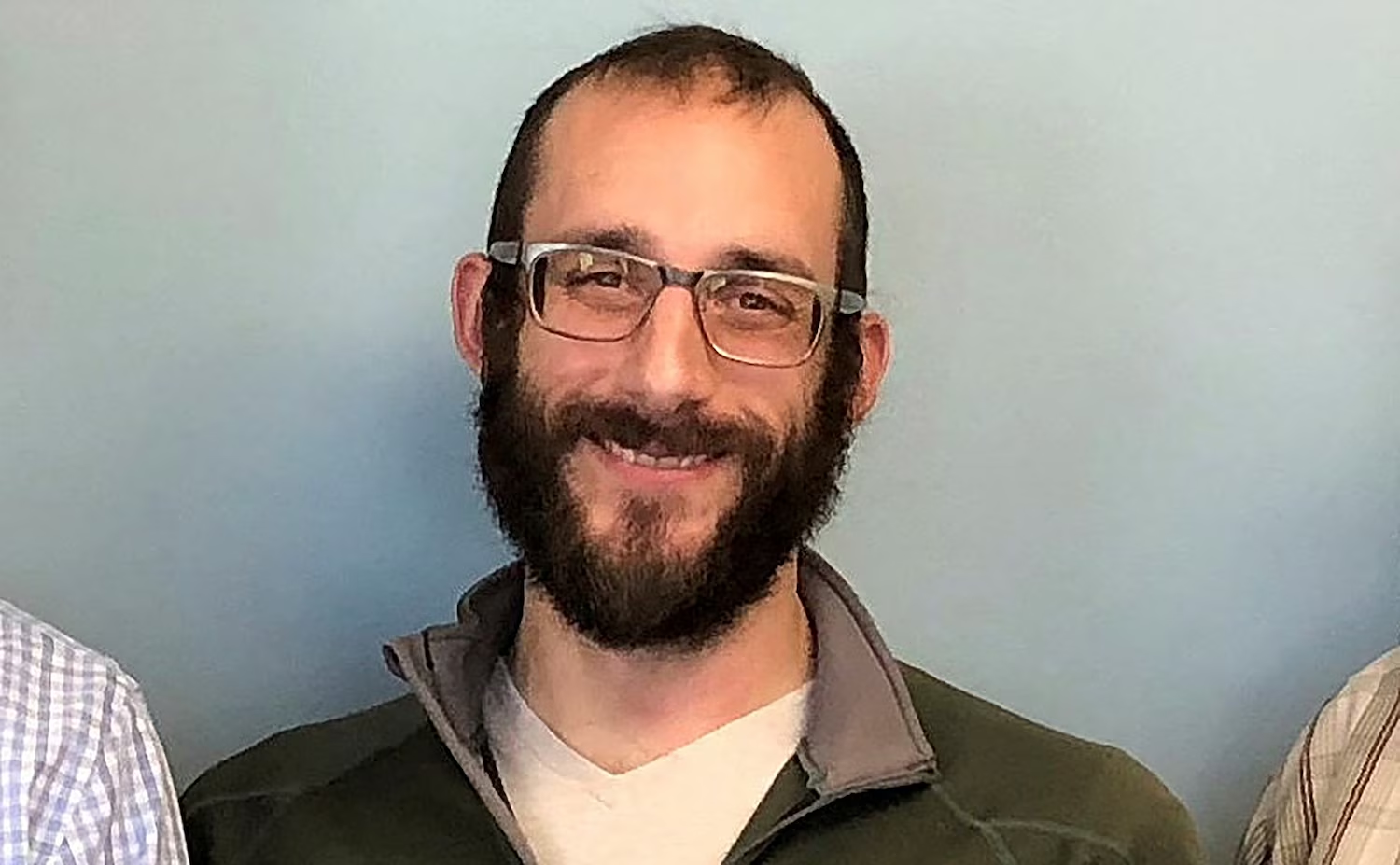
An undated handout image of Alex Pretti, who was fatally shot by U.S. immigration agents as they tried to detain him in Minneapolis, Minnesota, January 25, 2026. Department Of Veterans Affairs via Reuters
Department Of Veterans Affairs via Reuters
Friends, patients, and colleagues say that when they picture Alex Pretti, they do not see the chaos of his final moments. They see a 37-year-old ICU nurse leaning over a hospital bed, cracking a gentle joke, or quietly praying with someone who thinks they might not make it through the night. A VA doctor who worked beside him remembers a “kind and helpful” presence who made some of the hardest days in critical care feel a little more human.
Those memories now sit in sharp contrast to the way Pretti died, after federal immigration agents shot and killed him in Minneapolis. As investigations and political arguments spool up, the people who actually knew him are trying to hold on to the simple truth that defined his life: he showed up for others, especially veterans, long before anyone outside the ICU knew his name.
The VA doctor who saw Pretti at work
Inside the Minneapolis VA hospital, the physician who spent long shifts with Alex Pretti describes a colleague who was both technically sharp and emotionally tuned in. In that doctor’s telling, Pretti was a “very capable” intensive care nurse who handled complex cases with the calm of someone far older than a 37-Year-Old, but who still made time to walk families through what every beep and tube meant. The doctor recalls him as a Kind and Helpful ICU teammate, the sort of nurse who would quietly pick up an extra task if someone else was drowning in alarms.
That same account stresses how deeply Pretti’s work was tied to the U.S. Department of Veterans Affairs, where he cared for former service members who were often at their sickest. The doctor’s memories of the Doctor Remembers Alex story underline that this was not a side gig or a brief rotation. It was his professional home, and the place where his reputation as a steady, generous clinician was built long before anyone attached the phrase Old Man Killed by ICE to his name.
Patients who say he changed their worst days
For the people in his care, the picture is even more intimate. One of his final ICU patients, a woman named Crownheart, remembers thinking she had suffered a stroke and bracing for the worst. She recalls that Pretti sat with her, prayed with her, and told her she was going to be okay before delivering the news that she had not, in fact, had a stroke. In her words, he made her feel like she was his only patient, a memory that now sits at the center of her account of their time together at the Minneapolis VA, which she shared as Pretti’s story spread.
That same account, reported by Susan-Elizabeth Littlefield, captures how the terrorism accusations that surfaced after his killing “broke” Crownheart’s heart, because they clashed so violently with the man who had just held her hand and walked her back from the edge of panic. Littlefield, a Reporter and Anchor, relays how Crownheart felt that the public narrative had been flipped upside down, turning a caregiver into a caricature that bore no resemblance to the person who had just told her she would be okay.
From ICU mentor to national symbol
Colleagues who knew Pretti earlier in his career describe a nurse whose warmth was obvious even before he landed at the VA. A former mentor remembers Alex Pretti as “an absolutely warm, kind and sweet” ICU clinician, the sort of person who would check in on classmates and younger nurses long after a shift ended. That mentor’s recollection, shared in a video about Alex Pretti, paints a picture of someone whose life, in her words, was just starting when it was cut short.
Professional groups have echoed that sense of loss. The American Association of Colleges of Nursing has issued a statement titled Remembering Alex Pretti, saying AACN is heartbroken and alarmed that a member of the nursing community was killed while off duty. The group links his death to broader concerns about health and safety for all, arguing that what happened to him should matter to anyone who relies on nurses to show up in their most vulnerable moments.
About the Author