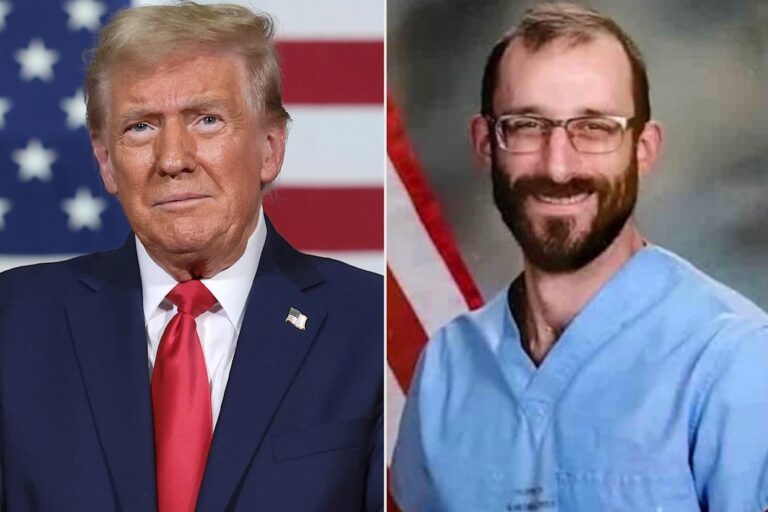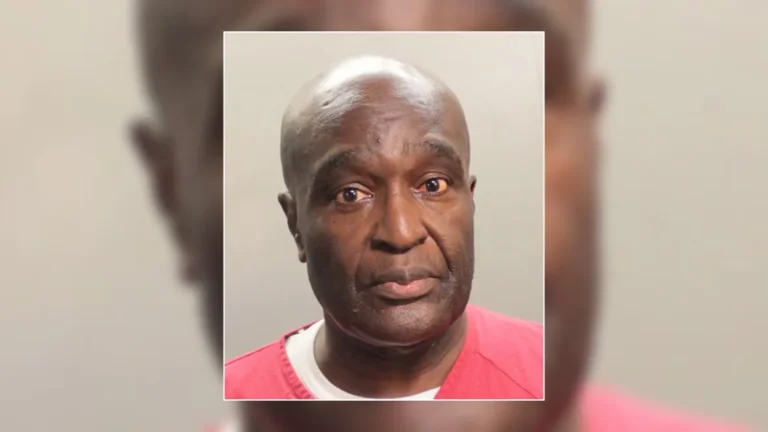
An undated handout image of Alex Pretti, who was fatally shot by federal immigration agents as they tried to detain him in Minneapolis. Photo provided by U.S. Department of Veterans Affairs via Reuters
The shooting of Alex Jeffrey Pretti has become a stress test for how federal power is used on American streets and how honestly the government explains it afterward. A former Immigration and Customs Enforcement insider is now walking the public through the split-second choices and long-festering policy gaps that led to a 37-year-old intensive care nurse ending up dead in Minneapolis. Their breakdown lands at an uncomfortable place: this was not just about one trigger pull, but about a system that kept nudging agents toward a worst-case outcome.
From the first encounter between agents and bystanders to the final volley of shots, the former official argues that what happened to this 37-year-old American was the product of training, culture, and political pressure layered on top of a chaotic street scene. The details that have emerged in internal reviews, videos, and timelines give them plenty to work with, and they point to a gap between the Trump administration’s public defense of the operation and what the evidence now shows.
What actually happened on that Minneapolis street
To understand the former ICE official’s critique, it helps to start with the basic facts of the Killing of Alex. On January 24, 2026, federal agents confronted a group of people in Minneapolis, including Alex Jeffrey Pretti, a 37-year-old American intensive care nurse for the United Stat, during an operation that was supposed to be about immigration enforcement, not crowd control. Local officers later found a 37-year-old white male with multiple gunshot wounds, the man identified as Alex Jeffrey Pretti, after the federal team had already left the scene. That basic sequence, laid out in a detailed Timeline, is not in dispute.
What is contested is how threatening Pretti actually was when the bullets flew and whether agents followed their own rules. A preliminary government Internal review has already contradicted key parts of the White House narrative that initially framed the shooting as a clean response to an imminent attack. According to that review, the officer first pushed two women away, one of the females ran to a male later identified as 37-year-old Alex Jeffrey Pretti, and the struggle that followed over a handgun did not match the simple story of an assailant charging agents with murderous intent that Trump allies quickly promoted.
The former ICE insider’s view: tactics, training, and politics
The former ICE chief of staff, speaking in a widely shared interview, has been blunt about how the second Trump administration shaped the environment in which this operation unfolded. In their telling, immigration enforcement “has always needed certain reforms,” but in the wake of the second Trump administration, the need for those reforms has only grown more urgent, a point they underscored in a Trump-era debrief. They argue that aggressive political messaging about cracking down on migrants bled into day-to-day tactics, encouraging units like Customs and Border Protection to treat domestic streets like hostile territory instead of mixed civilian spaces.
That critique lines up with what multiple reviews now show about the Minneapolis operation itself. According to a Department of Homeland Security report to Congress, CBP (Customs and Border Protection) personnel attempted to take Pretti into custody and Pretti resisted CBP efforts, leading to a close-quarters fight over a handgun, as summarized in an internal According account. A separate report submitted to Congress notes that during the struggle that preceded Pretti’s fatal shooting, one Border Patrol agent believed the gun was pointed at them, a detail that a former law enforcement trainer flagged as one of several According unanswered questions about perception and fear.
Video, internal reviews, and why the story keeps shifting
What really fuels the former ICE official’s skepticism is how much the visual evidence undercuts the early talking points from Homeland Security and the White House. Several videos from different perspectives, captured by onlookers, raise questions about contentions from Trump administration officials that agents had no choice but to fire, a pattern laid out in a set of Several clips. A separate forensic breakdown of the footage found that the shooter was standing behind Pretti and not under direct threat when the last shots were fired, contradicting statements from Homeland Security that the agent was facing an immediate danger, according to a detailed Pretti and analysis.
Those discrepancies are why the preliminary government review has become such a flashpoint. The same internal document that challenged the White House framing also noted that the officer pushed the women away before the confrontation with Pretti, a sequence that complicates claims that he suddenly emerged as a lone attacker, as described in the more granular Jan narrative. For the former ICE official, this is a textbook example of why independent oversight matters: when agencies are left to tell their own story, the first version often leaves out the messy parts that show how avoidable a tragedy might have been.
About the Author