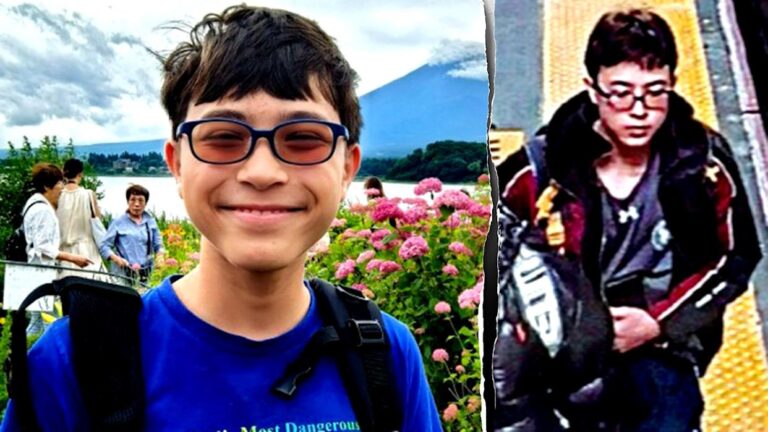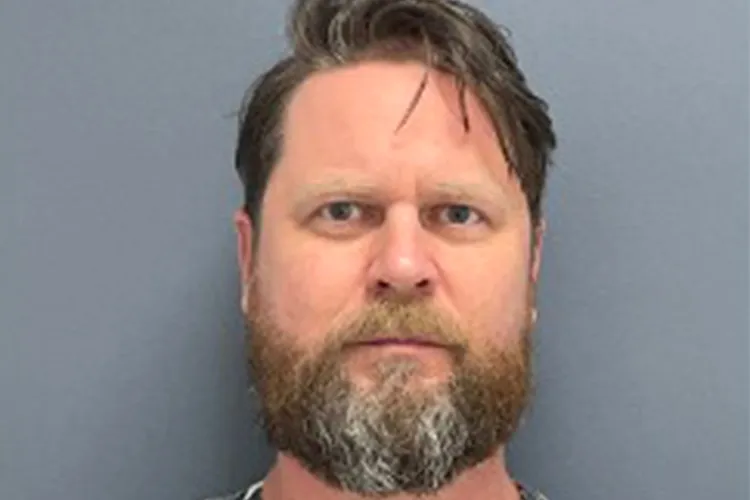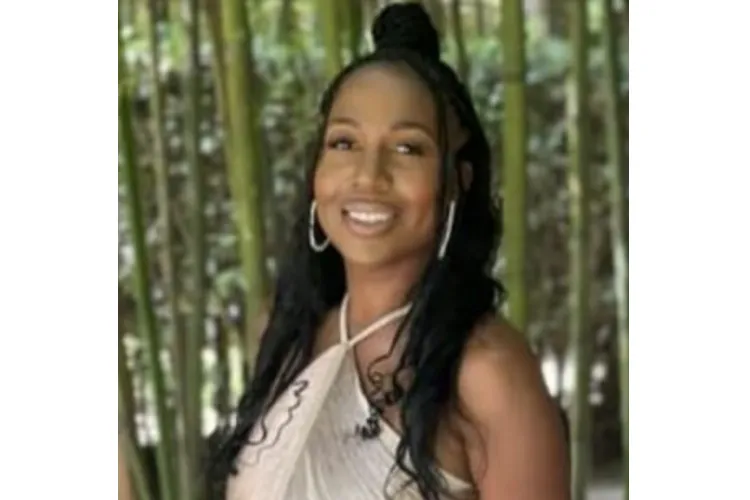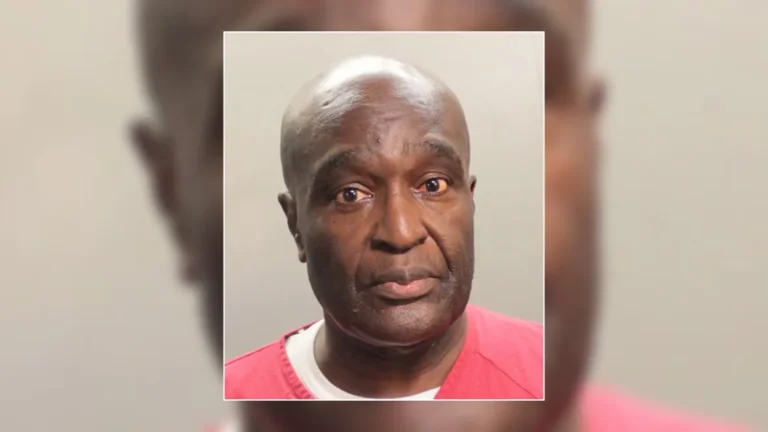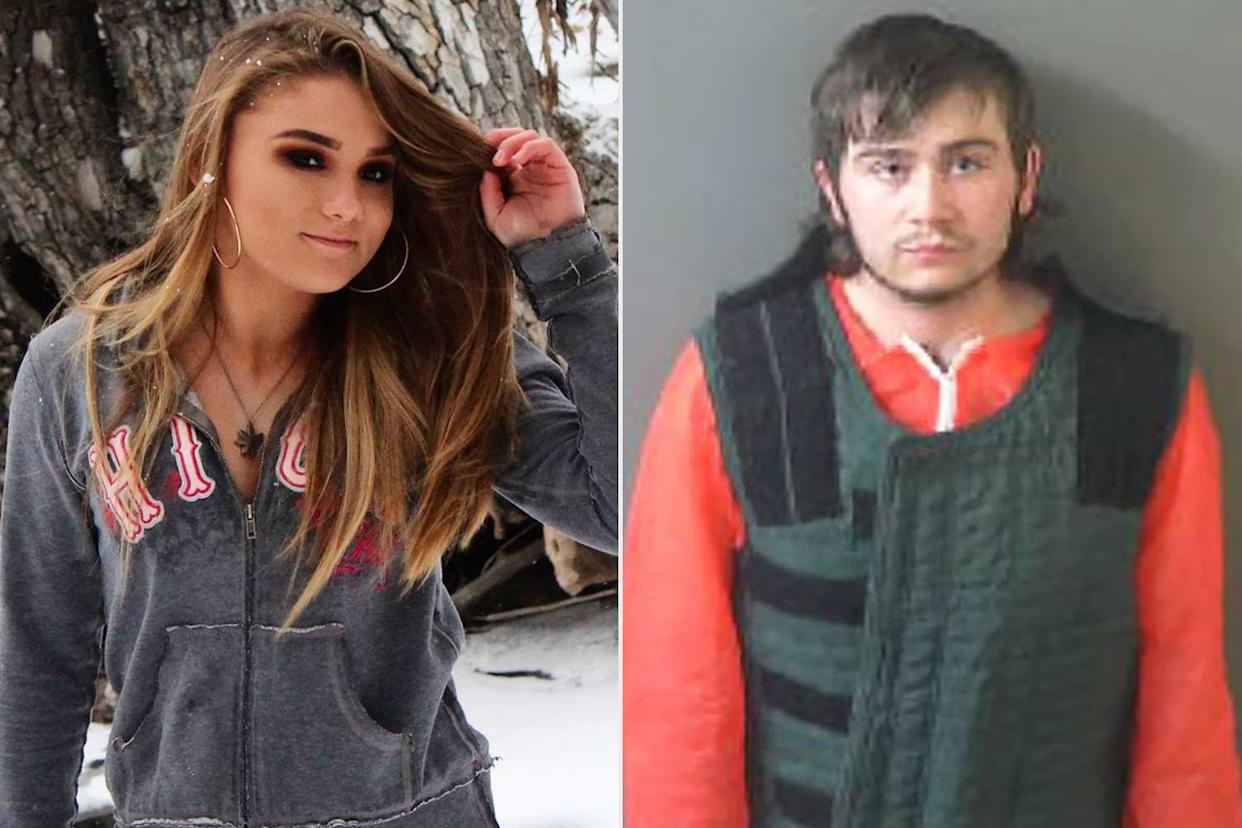
Gabrielle (Britney) Lynn Ujlaky and Bryce Dickey mugshot Facebook; Elko County Sheriff's Office
Facebook; Elko County Sheriff’s Office
Gabrielle Britney Ujlaky was a 16-year-old Nevada cowgirl who trusted the wrong person. She saw an older friend as a kind of big brother, someone safe to call for a ride or lean on when small-town life felt too small. Investigators say that trust ended in the desert, with a betrayal so stark that even seasoned detectives struggled to describe it.
Her killing pulled back the curtain on a relationship that looked protective from the outside but, according to police, hid manipulation, lies, and a carefully staged cover story. What happened to Gabrielle is not just a story about one crime, it is a warning about how predators can hide in plain sight, wrapped in the language of family.
The Cowgirl And The “Big Brother” Figure
Gabrielle Britney Ujlaky grew up in Nevada horse country, a teenager who split her time between school, friends, and the kind of dusty arenas where kids learn to ride before they can drive. People who knew her describe a girl who loved the cowboy lifestyle and leaned into it fully, the boots, the horses, the long days outside. In that world, older friends are common, and one of them, a local man she had known for years, became someone she referred to as a big brother, a label that suggested safety and loyalty rather than danger.
That sense of comfort is what makes the case so jarring. On the day she vanished, Gabrielle climbed into a vehicle with someone she trusted, a person she believed would look out for her rather than harm her. According to reporting that reconstructs those final hours, she disappeared after spending time with this friend, who later told police a detailed story about how they had simply driven around together before he dropped her off and went on with his day, a version of events that would not hold up for long once investigators started digging into his account.
From Missing Teen To Desert Crime Scene
When Gabrielle did not come home, the worry in her community escalated fast. This was not a teenager known for disappearing without a word, and the people around her understood how exposed the Nevada landscape can be once you leave town limits. Search efforts focused on the wide open spaces outside the city, the kind of remote stretches where a truck can vanish from sight in seconds and cell service drops to nothing. It was in one of those places, a barren area of the Nevada desert known as Burner Basin, that her body was eventually found, turning a missing person case into a homicide investigation almost overnight.
The location itself told investigators a lot. Burner Basin is not a casual stop on the way home, it is the sort of remote spot you reach only if you know where you are going and have a reason to be there. The discovery of Gabrielle’s body in that area, combined with physical evidence at the scene, including a used condom, pointed detectives toward a targeted attack rather than a random encounter. Reporting on the case notes that in March, when her body was located, the details from Burner Basin helped shape the theory that someone she knew had lured her out there, a conclusion that would later be tied directly to the evidence.
The Friend Who Became A Suspect
From the start, investigators zeroed in on the last person known to have seen Gabrielle alive, the same man she had described as a big brother. He did not run, and he did not immediately lawyer up. Instead, he sat down with detectives and laid out a timeline, saying that he and Ujlaky had spent about three and a half hours driving around before he dropped her off and went on with his day. That level of detail might have sounded cooperative, but it also gave police something concrete to test against phone records, surveillance footage, and witness statements, and the more they checked, the more the story began to fray.
According to investigators, the man’s version of events shifted as inconsistencies surfaced, and what started as a narrative of a concerned friend giving a ride began to look more like a script designed to distance himself from the desert where Gabrielle was found. Detectives later alleged that his movements and communications put him near the remote area shortly before she was killed, undercutting his claim that he had simply dropped her off in town and gone home. One detailed account of the investigation notes that he initially told officers about those three and a half hours of driving, only for that statement to collide with evidence that placed him in far more incriminating locations, a clash that helped move him from witness to primary suspect in their case.
Unraveling The Lies And The “Big Brother” Myth
As detectives pulled phone data, social media messages, and location records, a different picture of the relationship between Gabrielle and the man she trusted began to emerge. What looked like a sibling-style bond from the outside, with rides, check-ins, and casual hangouts, started to resemble a dynamic where an older man held more power and control than anyone realized. Investigators and family members have described the emotional whiplash of learning that the person she had known for years, the one she called her big brother, was the same person accused of luring her into the desert and killing her, a betrayal that cut through the community’s sense of who could be trusted.
Coverage of the case has emphasized that this was not a stranger who appeared out of nowhere but someone firmly embedded in Gabrielle’s world, a man she had leaned on and spoken about in affectionate terms. One account notes that she had known him for years and genuinely believed he was looking out for her, only to have that faith shattered when investigators linked him to her death and described how he had allegedly turned on her in the most violent way. That gap between perception and reality, between the big brother label and the murder charge, is at the heart of why this story resonates so strongly, and why writers like Gabrielle’s chroniclers keep coming back to the theme of betrayal.
Community Fallout And The Long Shadow Of Betrayal
In the months and years after Gabrielle’s killing, her hometown has had to live with the knowledge that the danger did not come from a faceless outsider but from someone woven into their daily lives. Friends who once saw the accused as a harmless older presence now replay every interaction, wondering what they missed. Parents who encouraged their kids to lean on trusted adults are left trying to explain how a person can present as a protector while, according to prosecutors, plotting something entirely different. The emotional math of that betrayal is brutal, and it has reshaped how people in the area talk about boundaries, rides, and late-night hangouts.
Legally, the case has moved forward with charges that reflect the severity of what happened in Burner Basin, and the man who once framed himself as a big brother now faces the possibility of spending decades behind bars. Reporting on the prosecution notes that he is looking at a potential sentence that could reach up to 70 years in prison if he is convicted on the most serious counts, a measure of how seriously the system is treating the killing of a 16-year-old girl who trusted him. For Gabrielle’s family, that number is both staggering and inadequate, a reminder that no amount of prison time can restore the life of a teenager whose future was cut short in the Nevada desert, a reality that has been chronicled in detail in coverage of the case.
About the Author