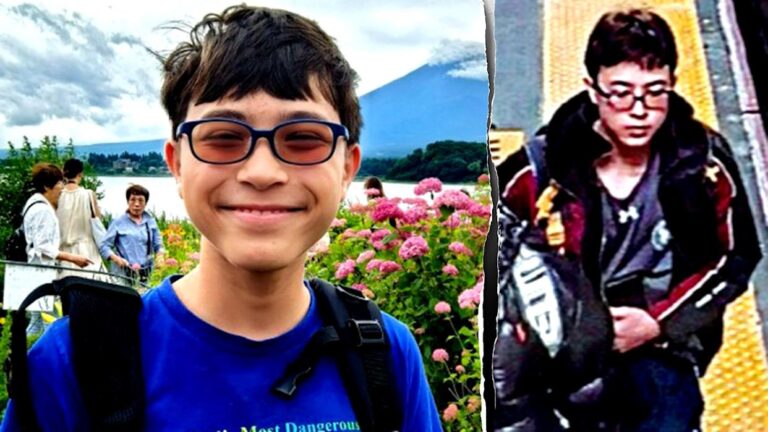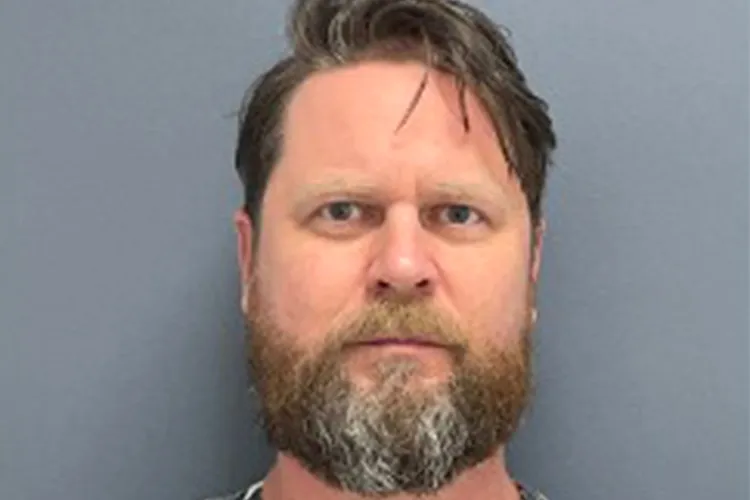
Bryan Kohberg ; Madison Mogen and Kaylee Goncalves AP Photo/Ted S. Warren ; Kaylee Goncalves/ Instagram
AP Photo/Ted S. Warren ; Kaylee Goncalves/ Instagram
Newly unsealed autopsy reports in the University of Idaho killings are filling in some of the darkest blanks in a case that has gripped the country for more than a year. The documents spell out, in clinical but chilling detail, how four students were attacked inside their off-campus home and what investigators believe happened in their final moments. As those findings surface, attention is swinging back to Bryan Kohberger, the criminology graduate student accused of carrying out the stabbings, and to how prosecutors plan to use this forensic roadmap in court.
The case has already reshaped life in Moscow and on the University of Idaho campus, but the new records push the story into even more graphic territory. They also sharpen the stakes around Kohberger’s legal future, from his earlier plea deal to the possibility he spends the rest of his life in prison, while families and the wider community wait for a trial that can match the precision of the science now on the record.
What the autopsies say happened inside 1122 King Road
Investigators have long said the four students were attacked as they slept in their rented house on King Road, but the autopsy files now spell out just how contained and brutal that violence was. According to newly unsealed records, all four victims were found in their bedrooms, with no evidence they left their rooms at 1122 King Road during the assault, a detail that reinforces the theory of a swift, targeted attack inside the three-story home where the students had been living near the Moscow campus. The same filings describe how the bodies were discovered after friends arrived and realized something was terribly wrong, a sequence that has haunted the community ever since.
The reports also clarify the layout of the crime scene and how the victims were positioned when police arrived. On the top floor, Goncalves and Mogen were found together in Madison Mogen’s third-floor bedroom, lying in bed under a comforter, which investigators say had been pulled up over them. That detail has become central to later claims that the killer may have arranged or “posed” the scene after the stabbings, a theory that will likely be tested in court as experts debate whether the positioning reflects staging or simply how the pair tried to shield themselves.
The autopsies do more than map the rooms, they catalog the injuries in a way that strips away any illusion that this was a quick or clumsy crime. All four students, identified in earlier filings as Kaylee Goncalves, Madison Mogen, Xana Kernodle and Ethan Chapin, suffered multiple stab wounds, with the reports describing “multiple sharp force injuries” and additional trauma to the upper body. One summary notes that all four died from sharp force injuries, while another highlights that Chapin had one stab wound that severed his spinal cord and that Kernodle had defensive wounds on her hands, suggesting she woke up and fought back. Those specifics, pulled from the autopsy tables, are now likely to be replayed in front of a jury.
Brutality, staging claims, and the defense theory of more than one killer
Forensic details in the new documents are graphic even by homicide standards, and they are already shaping how both sides talk about what happened. One set of filings describes how Kaylee Goncalves and Madison Mogen died from “multiple sharp force injuries,” with Goncalves also suffering “blunt force injuries of the head and as” part of the attack, a level of trauma that underscores the rage behind the killings and is now tied directly to Goncalves and Mogen in the autopsy language. Other passages describe Xana Kernodle’s extensive wounds and note that she had a broken nose, while Ethan Chapin’s single devastating stab wound is laid out in stark terms.
One especially striking figure has emerged from the newly unsealed documents: a defense filing cites expert analysis that the four college students were stabbed at least 150 times in total, a number that, if accepted by the court, paints the killer as methodical and relentless rather than panicked. Another report notes that one victim “suffered wounds to her upper extremities” consistent with trying to ward off the knife, a detail tied to wounds described by Idaho State Police. Together, these injuries are being used by prosecutors to argue that whoever carried out the attack had time, control and a clear intent to kill.
The same autopsy language is also fueling a more controversial claim from the defense camp, which has floated the idea that the pattern of wounds suggests there were two killers, not one. A defense expert cited in court filings argued that the distribution of injuries and the lack of blood transfer to Kohberger’s car could indicate more than a single attacker, pointing to passages in the reports that have now been summarized in defense filings. Prosecutors have pushed back hard, writing that “washing or wiping hands takes little time especially if preparations for cleaning are made beforehand,” a line quoted directly in a separate filing that stresses there is also evidence that the Defendant left the scene quickly and could still have avoided leaving obvious blood in his vehicle, as summarized in prosecutor arguments.
About the Author