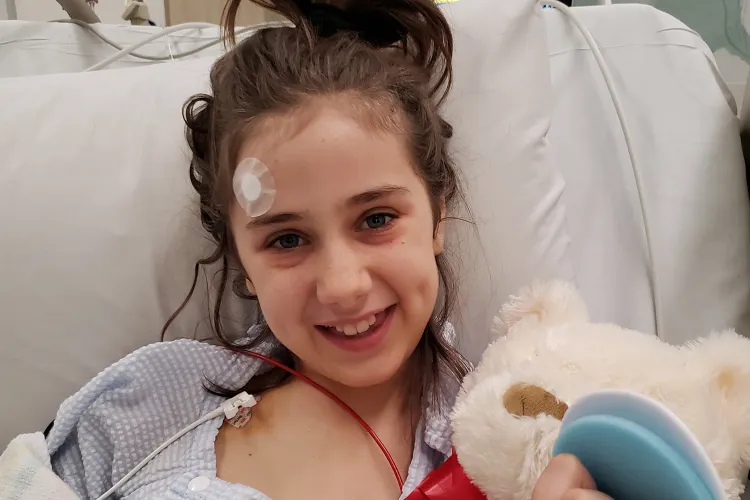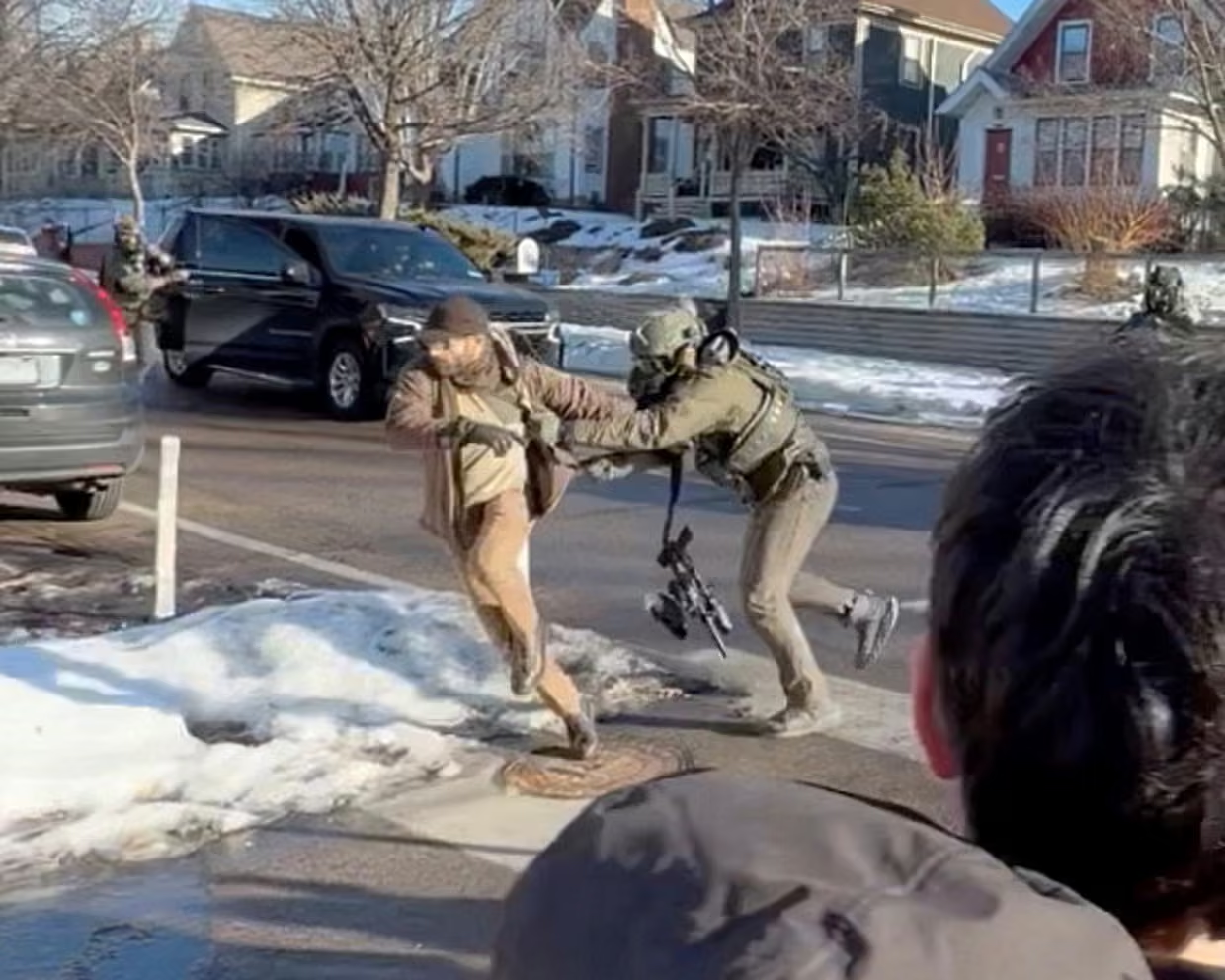
An video still shows Alex Pretti, left, being grabbed by a federal officer in Minneapolis on 13 January, 11 days before he was shot dead. Photograph: Max Shapiro/AP
Alex Jeffrey Pretti walked toward federal agents in Minneapolis holding up his phone, recording what they were doing. Seconds later, the intensive care nurse lay dying on the pavement, shot by the same officers he had been filming. The video that captured those final moments undercuts the early official story that he was armed and threatening, and it has turned a local killing into a national test of truth, power, and accountability.
Pretti, a 37-year-old American intensive care nurse for the United Stat, is now at the center of overlapping investigations and a fierce political fight over what federal agents can do on city streets. The footage does not just show a man being killed, it shows what he was actually holding when the bullets were fired, and that detail is reshaping everything that comes next.
What the videos actually show
In the key clip from the Killing of Alex Pretti, the nurse is seen walking toward a line of federal officers with his arm raised, phone in hand, recording as he approaches. As he closes the distance, one agent suddenly lunges, grabs him, and drags him into a struggle, while another agent moves in from the side and fires at him at close range. The sequence, captured from multiple angles, shows that Pretti was filming law enforcement, not pointing a weapon, in the moments before the shots that ended his life, a detail that sits at the heart of the video evidence.
That visual record collides with the early narrative from federal officials, who initially framed the shooting as a defensive response to an armed man. Shortly after Pretti was killed, Homeland Security Secretary Kristi Noem publicly backed the agents, saying a Border Patrol agent had fired defensive shots, a claim now undercut by footage that shows the nurse visibly not holding a gun as he is grabbed and then shot, a contradiction that has been highlighted in detailed fact checks.
The new clip is not the only video shaping public understanding. Earlier this year, previously unearthed footage surfaced of an altercation between Alex Pretti and federal officers 11 days before he was killed, showing a tense scuffle in Minneapolis that officials later cited to paint him as aggressive, even as the same sequence shows officers closing in on him first, a dynamic that has been dissected in reporting by Clea Skopeliti. In the immediate aftermath of the fatal shooting, federal agencies promised that all relevant video, including bystander clips and surveillance feeds, would be publicly released, yet officials have so far controlled the trickle of material, even as eyewitnesses and independent outlets have pushed out their own recordings.
The gun, the phone, and the split-second that matters
Federal officials have leaned heavily on one claim: that Alex Pretti had a gun. That part is true, but the details matter. Pretti, a 37-year-old who worked as an ICU nurse at a Minneapolis VA hospital according to his family, was legally licensed to carry a firearm and was doing so that day, a fact confirmed in both the official case file and family statements about the 37-year-old. But video from the scene appears to show a federal officer taking that gun away from him before the fatal shots, and later accounts from investigators say agents discovered his holstered weapon had already been removed when he was killed, a sequence laid out in the official summary of the key facts.
In other words, the crucial question is not whether he owned a gun, it is what he was holding when the bullets flew. Multiple analyses of the footage say he was visibly not holding a gun in those final seconds, instead raising his phone as he walked toward the line of agents, a detail that has been underscored by video analysts who reviewed the frames. One widely shared clip, posted to social media, shows the man shot and killed in Minneapolis lifting a smartphone as he approaches the officers, and the angle never shows a weapon in his hands, a gap that has fueled outrage as viewers replay the sequence.
That split-second discrepancy is not just a technicality, it is the difference between a defensive shooting and an execution in the public mind. Earlier this year, Trump administration officials quickly reacted by insisting that Pretti had approached officers with a gun and attacked them, even pointing to an earlier scuffle in Minneapolis to frame him as a threat, a narrative that now sits uneasily beside the videos showing him clutching a phone instead, as documented in unearthed clips. The official case summary notes that Pretti was legally licensed to carry and that he was taken into custody and held for hours before being released in that earlier encounter, a reminder that the same man now cast as a mortal danger had previously walked away from a confrontation with the same agencies, a detail preserved in the broader case history.
About the Author