Andrew Harnik/Getty Images
Federal scrutiny of a Minnesota church protest that pulled in Former CNN anchor Don Lemon is only intensifying. After an initial round of arrests tied to the disruption of a worship service in St. Paul, Attorney General Pam Bondi now says two additional people are in custody, widening a case that already sits at the intersection of immigration policy, religious freedom and press rights. The expanding roster of defendants is turning what began as a local anti-ICE action into a national test of how far the government can go when protests move inside a sanctuary.
At the center is Lemon, who was taken into custody while covering the demonstration and now faces federal charges alongside activists and a Minnesota journalist. With the Justice Department leaning on laws meant to protect access to religious spaces, and Minnesota’s own top prosecutor publicly questioning that approach, the clash is exposing a sharp split between state and federal power over how to police dissent.
The protest that moved from pews to federal court
The confrontation started inside a church in St. Paul, Minnesota, where activists staged an anti-ICE protest during a worship service attended by an Immigration and Customs Enforcement official. Demonstrators targeted the sanctuary to call out federal immigration enforcement, turning a normally quiet service into a flashpoint over how far protest can go when it collides with religious practice. The location, identified in public records as a St. Paul congregation, has since become a shorthand for a broader fight over whether a church can also be a stage for direct action, a tension underscored by mapping data tied to the place where the disruption unfolded.
Don Lemon and three others were arrested after federal authorities said the protest crossed a legal line by interfering with religious worship. Attorney General Pam Bondi said on a Friday that Lemon and the others were taken into custody in connection with what she described as a coordinated disruption at a place of worship, a move that immediately raised alarms among press freedom advocates who saw a journalist in handcuffs for work he insists was newsgathering. According to federal charging documents, the group is accused of conspiring against the rights of congregants to practice their faith, a claim Bondi has framed as a straightforward application of laws meant to shield churches from intimidation, and that early on was detailed when Lemon and his co-defendants were first booked.
From four defendants to more, and a widening political rift
The case did not stop with those initial arrests. Attorney General Pam Bondi has now announced that two more people have been arrested in connection with the same Minnesota church protest involving Don Lemon, bringing the total number of defendants higher and signaling that investigators are still combing through footage and witness accounts. Federal prosecutors say all of the defendants are tied together by a single indictment that charges conspiracy against the rights of religious freedom at a place of worship, a sweeping allegation that folds both activists and a high-profile journalist into the same legal theory and that Bondi’s office highlighted when it confirmed that More People Arrested were now facing the same counts.
That indictment builds on earlier charging decisions made under President Donald Trump’s administration, which initially sought to bring cases against eight people connected to the church action. Federal officials have leaned on statutes that protect access to religious services and clinics, arguing that the protest effectively used force and intimidation to trample worshippers’ rights. Critics counter that the government is stretching those laws to criminalize dissent and journalism, a concern sharpened by the fact that the same administration has already been criticized for its aggressive posture toward immigration protests and for its willingness to test the limits of the First Amendment in other contexts.
Don Lemon’s defense, and Minnesota’s pushback on federal power
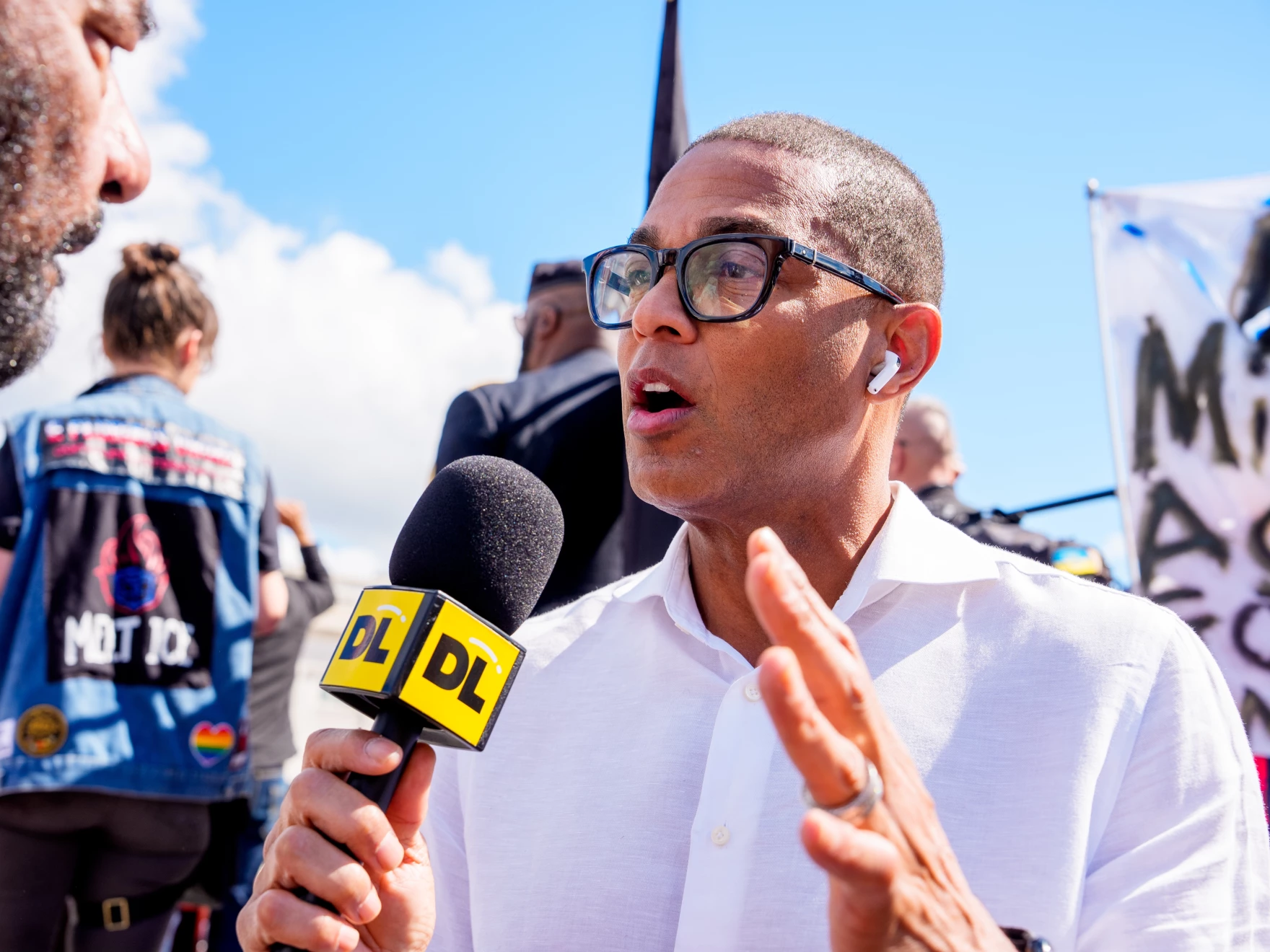
Lemon has not exactly gone quiet. In public comments after his release, he has insisted that he was at the church as a reporter, not an organizer, and that his arrest is an attack on press freedom. Speaking in front of cameras, the Former CNN anchor framed his presence as part of a long tradition of journalists documenting uncomfortable moments of protest, a stance he reiterated when he spoke to late-night host Jimmy Kimmel and defended his coverage of the anti-ICE protest at a church in St. Paul, Minnesota. He argued that the public has a right to see how immigration enforcement plays out in sacred spaces, and that criminalizing that coverage risks chilling future reporting on similar actions, a point he underscored while describing how the Former CNN journalist ended up in handcuffs.
In a separate interview, Lemon again leaned into that argument, telling Kimmel that as a Former CNN anchor he was documenting an anti-ICE protest in Paul, Minnesota, and that the incident that led to his arrest last week should worry anyone who cares about independent reporting. He cast the charges as part of a broader pattern of federal overreach on immigration and protest, tying his case to a climate in which activists and journalists who challenge ICE are treated as adversaries rather than watchdogs. That framing has resonated with supporters who see his prosecution as a warning shot to others who might want to film or stream similar actions, and it has been amplified through clips of his defense that have circulated widely.
About the Author