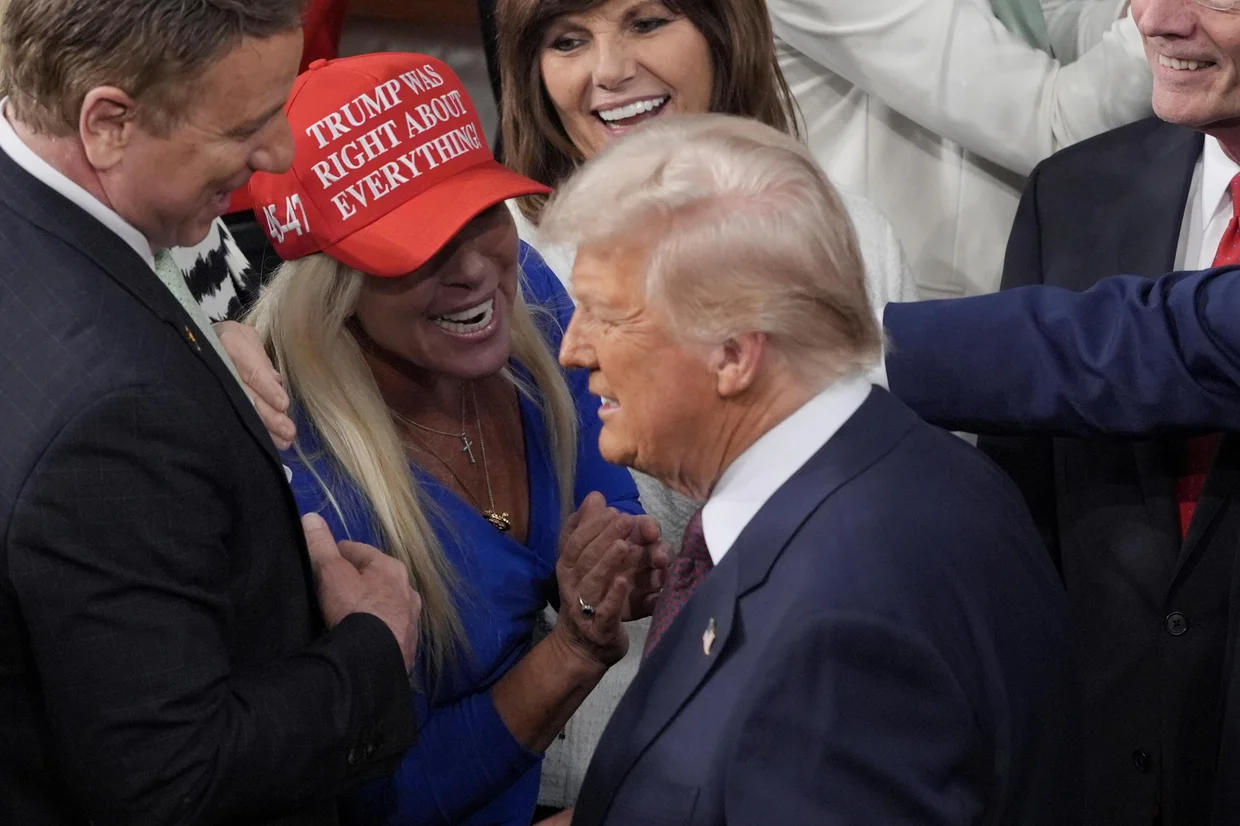
FILE - President Donald Trump arrives and walks by Rep. Marjorie Taylor Greene, R-Ga., to address a joint session of Congress at the Capitol in Washington, Tuesday, March 4, 2025. J. Scott Applewhite / AP
J. Scott Applewhite / AP
Donald Trump built his political brand on the idea that the MAGA base would follow him anywhere. Now, polling and fresh intraparty fights suggest there is at least one place they are not willing to go with him: a softer, more establishment‑friendly approach to foreign policy and immigration enforcement. The split is not a total revolt, but it is a clear warning sign for a president who has long treated his base as an unshakable asset.
Instead of a clean red wall behind Trump, Republicans are watching a slow crack spread through the movement that once defined the party. The tension is showing up in surveys, in public feuds with high‑profile loyalists, and in the way MAGA activists talk about what they thought 2026 would look like compared with what they are getting now.
Polls show the base drifting on Trump’s “tough” agenda
The cleanest signal that something has shifted comes from new polling that isolates self‑identified MAGA voters. An online survey fielded in Jan found that President Donald Trump still holds strong overall backing among Republicans, but on at least one major policy question, those who call themselves MAGA are now more likely to break with him than to fall in line. The same poll, which pegged his overall job approval at 37 percent, showed that this core faction is no longer united behind his current approach, a result that undercuts the aura of automatic loyalty that has defined his presidency as the country heads toward midterm elections, according to one poll. A separate breakdown of the same research, highlighted by Jan coverage, stressed that the erosion is concentrated on a single “key policy” where Trump has tried to pivot, while MAGA voters remain relatively supportive on other issues, a pattern detailed in survey analysis.
That finding lines up with other data points showing a broader softening among his most ardent fans. Reporting on another poll in Dec described how MAGA supporters are increasingly disappointed with Donald Trump’s handling of the economy, inflation and day‑to‑day costs, a shift that researchers tied directly to the poll’s methodology and questions about household strain, as laid out in a poll summary. Another analysis from Dec noted that Don Trump’s approval rating among adults has been in the red for months and is still falling, with the decline driven in part by what the piece called Trump’s fracturing base of support, a trend captured in approval numbers. Together, these snapshots sketch a picture of a president who still dominates Republican politics but can no longer assume that MAGA voters will automatically bless every shift in his agenda.
Foreign policy, immigration and a confused MAGA identity
The policy area causing the sharpest friction is Trump’s recent focus on foreign policy and de‑escalation, which some of his own backers see as a betrayal of the hard‑line posture they signed up for. In Jan, one analysis of the movement described how parts of the MAGA base are “confused” by the president’s new emphasis on overseas maneuvering at the start of 2026, when they expected a big domestic push instead, a mood captured in a Jan discussion. That confusion has spilled into immigration, where Trump’s attempts to calm a volatile situation in Minnesota triggered fresh blowback from activists who wanted a crackdown, not a compromise. When the White House rolled out a de‑escalation effort there, spokeswoman Abigail Jackson insisted the administration “will never waver in standing up for law and order,” even as the move was clearly designed to smooth public conflicts with earlier rhetoric, a balancing act described in detail in coverage of Minnesota.
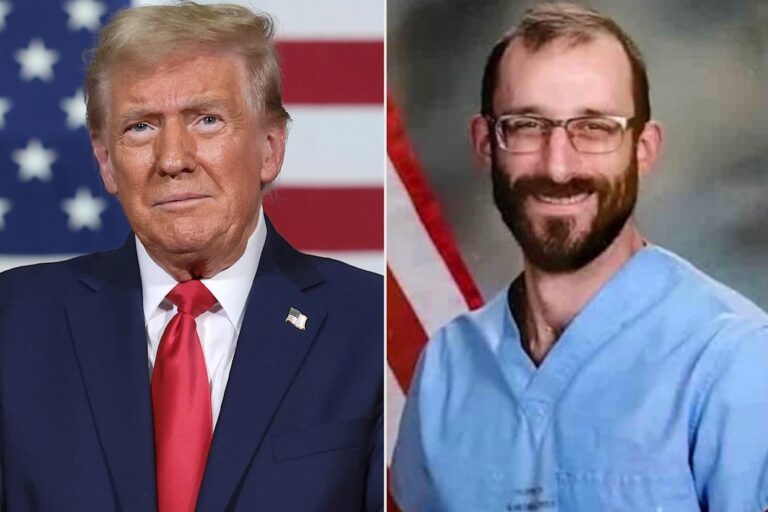
Inside the movement, that kind of recalibration has collided with a culture that prizes maximal confrontation. A Jan video essay on Trump’s world described how his grip on MAGA is slipping as some supporters depart and try to redefine the movement without him, joking about scenarios as extreme as Trump taking a literal bulldozer to the White House to illustrate how far his image once stretched, a metaphor that surfaced in a Jan commentary. At the same time, the administration and MAGA allies have been under fire for spreading baseless claims about the killing of Pretti, with video footage of the fatal shooting contradicting their narrative that the armed suspect violently resisted, a clash between rhetoric and reality documented in reporting on Pretti. For voters who were drawn to Trump’s promise of “telling it like it is,” watching the White House and movement figures scramble to reconcile their stories with the Video evidence only deepens the sense that something about the project has shifted.
About the Author