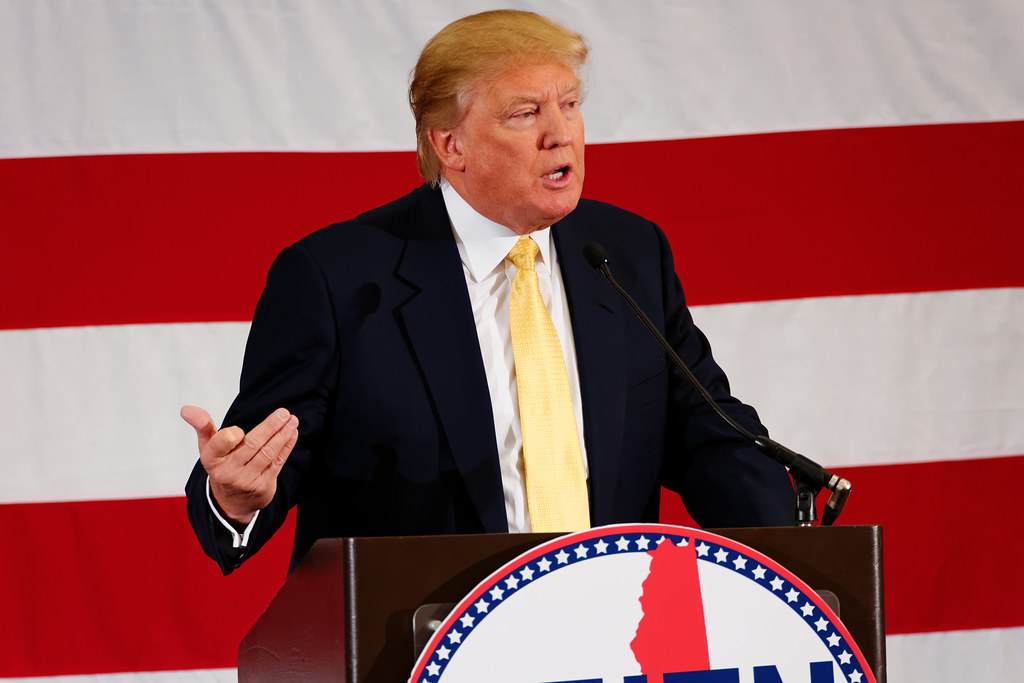
Donald Trump Sr. at #FITN in Nashua, NH
President Donald Trump is turning up the pressure on Minnesota, tying the state’s immigration policies to the unrest that has gripped Minneapolis and demanding swift concessions from Democratic leaders. In a series of calls and public statements, he has laid out a set of immigration conditions for Governor Tim Walz and local officials, framing them as the price of federal help and a reset in relations. The clash drops a long running national fight over immigration directly into Minnesota’s backyard, with both sides betting the public will blame the other if the standoff drags on.
The demands land at a moment when Minneapolis is already on edge over a federal immigration crackdown and a controversial Border Patrol shooting, and when the Trump administration is trying to show it can “restore order” without backing off its hard line. For Walz and other Democrats, the question is how far they can bend toward cooperation with federal agents without abandoning the sanctuary style approach that many of their voters expect.
The four demands and a fifth twist
At the center of the confrontation is a list of conditions Trump has tied to calming what he has described as “chaos” in Minneapolis. In Washington, President Trump has publicly linked the unrest to local resistance to federal immigration enforcement and has pressed Congress to help by moving to ban sanctuary cities. According to detailed accounts of his talks with Minnesota leaders, Trump Issues Immigration Demands that include closer cooperation with federal immigration agents, more aggressive detention of people flagged by federal databases, and a commitment from state and city officials to stop policies that limit information sharing with federal authorities. A separate breakdown of the negotiations reports that President Donald Trump has in fact floated five specific conditions for Minnesota, broadening the list to cover both law enforcement coordination and public messaging by Democratic Leaders.
Those conditions are not just being delivered behind closed doors. The White House has used briefings to spell out its expectations for Walz and other Minnesota officials, with Press Secretary Karoline Leavitt telling reporters that the administration wants state and local leaders to fully cooperate with immigration enforcement efforts and to stop what it sees as mixed messages on public safety. During one such briefing, Leavitt described how the White House is pressing Minnesota leaders to align their policies with federal priorities, while a separate report on the same briefing underscores that During that exchange she framed the demands as a test of whether Walz is willing to prioritize security over politics in Minnesota.
Calls, crackdowns and a border czar in Minnesota
Behind the podium talk, Trump has been working the phones. The president has described a “very good” call with Gov Walz, signaling that at least on the surface the two men are trying to keep lines of communication open even as they clash over immigration. Reporting on that outreach notes that Trump has gone so far as to send a border czar to Minnesota, a move meant to show he is personally invested in the situation and to give the federal government a direct point person on the ground between Trump and governor Tim Walz. The decision to dispatch that envoy, captured in coverage of how Trump sends that official north, underscores how central Minnesota has become to the national immigration fight.
At the same time, the administration is reshaping its own team in response to the backlash. After a Border Patrol shooting in Arizona and a separate uproar over tactics in Minneapolis, President Trump is making leadership changes to the immigration crackdown in Minneapolis, a shift that has been described as an attempt to regain public trust without backing off enforcement. Video coverage of the shake up shows how President Trump is replacing key figures in the Minneapolis operation, while a separate clip on how the Trump Administration Plans to Scale Back the Immigration Surge in Minnesota describes internal discussions about how to Scale Back the Immigration Surge without appearing to retreat from the president’s core promises in Minnesota.
Walz, Democrats and the long shadow of Trump’s first term
For Walz and other Democrats, the confrontation is not happening in a vacuum. Trump’s immigration playbook was set during his first term, when in his first State of the Union address he laid out four pillars that included a border wall, changes to legal immigration and new restrictions on family based immigration. That earlier framework, detailed in a history of the immigration policy of the first Trump administration, still shapes how Democrats hear his current demands. When Trump now insists that Minnesota leaders fully cooperate with immigration enforcement efforts, as described in a breakdown of why Trump Issues Immigration Demands to Walz and other Democrats, they see a familiar push to nationalize local policing and to roll back protections that cities like Minneapolis have built over years of political fights with Media Error.
About the Author