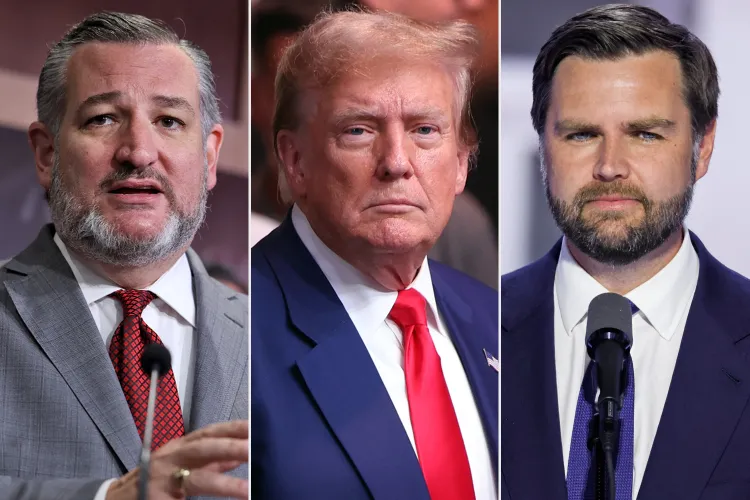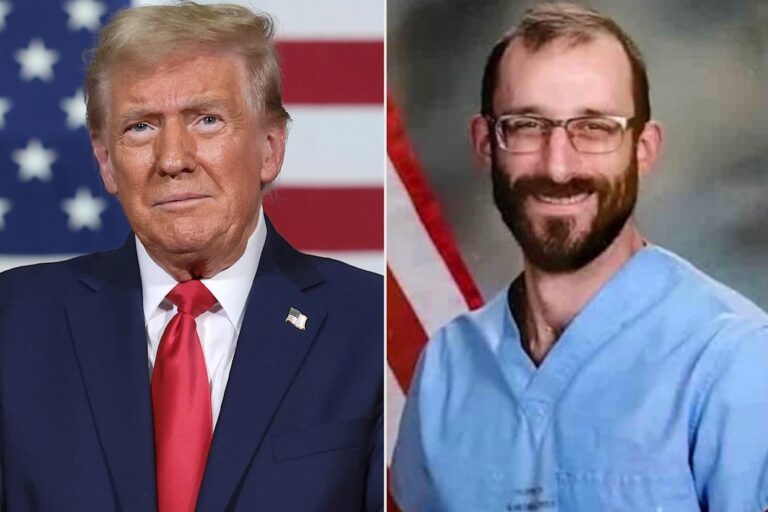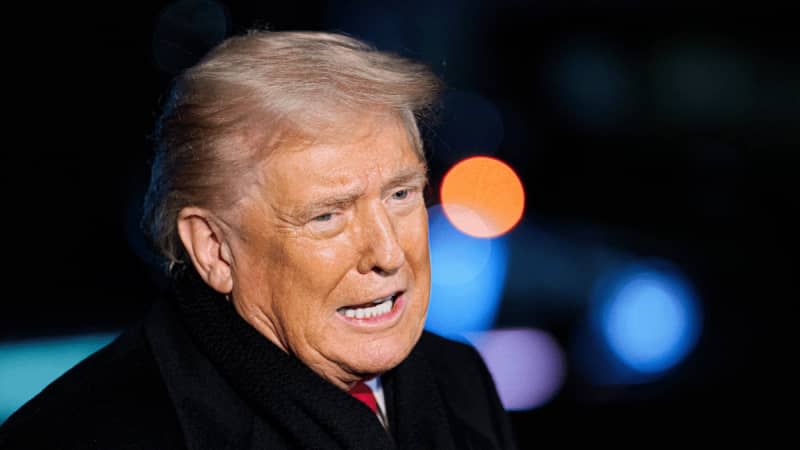
Donald Trump has criticized ICE shooting victim Alex Pretti for carrying a firearm when he was killed.MEGA
President Donald Trump’s reaction to the killing of Alex Pretti in Minnesota has turned a tragic shooting into a fresh political fault line. Instead of focusing solely on the federal agents who opened fire, Trump zeroed in on the fact that Pretti brought a handgun to a protest, saying that kind of choice “doesn’t play good” and questioning why anyone would show up armed in the first place. For gun rights advocates who have spent years defending exactly that behavior as constitutionally protected, the president’s criticism landed like a gut punch.
The clash is not just about one protester or one weapon. It is about how the First and Second Amendments collide in real time when people carry guns into charged political spaces, and about what it means when a president who has long courted gun owners suddenly sounds more like a skeptic than a champion. The fallout from Trump’s comments is now rippling from Minnesota streets to conservative talk shows and gun clubs in Wisconsin and beyond.
The shooting, the gun, and Trump’s “doesn’t play good” line
Alex Pretti, identified as a 37-year-old who joined a Minneapolis protest against immigration enforcement, was shot and killed during a confrontation with federal officers after arriving with a handgun and extra ammunition. Local police in Minnesota have said he was a lawful gun owner with a permit to carry, and it is legal in the state to have a handgun in public if that permit is valid. Federal officials later described how Pretti’s movements and the presence of the weapon contributed to the agents’ decision to fire, turning his personal choice to carry into the central question of whether the shooting was justified.
Trump did not wait for a full investigation before weighing in. In remarks captured on video, he said he did not like that Pretti had a gun at all, calling it a “very powerful, fully loaded gun” and stressing that bringing it to a Minneapolis protest “doesn’t play good either,” language echoed in coverage of Trump Criticizes ICE. He went further in another exchange, saying “you can’t walk in with guns” and pointing to reports that Pretti had a gun with two magazines “loaded up with bullets,” a description that matched what the Department of Homeland Security said about the encounter and that surfaced again in a widely shared video clip.
Gun rights allies bristle as Trump leans into caution
Those comments might sound like standard-issue concern from a president trying to calm tensions, but for gun rights activists they cut against years of messaging that law-abiding citizens should feel free to carry in public, including at protests. In Wisconsin, where the politics of firearms are never far from the surface, gun rights advocates told News that they were uneasy with Trump’s tone after the Pretti killing. Asked about Pretti by reporters Tuesday, Trump called it a “very unfortunate incident,” but he also stressed that people “just can’t” show up armed in volatile situations, a line that sounded to some like a warning aimed at his own supporters.
The discomfort is not limited to one state. Nationally, the National Rifle Association has pushed back on the idea that carrying a handgun to a protest is inherently reckless, even as it acknowledged the tragedy of the Minnesota shooting. In one account of the fallout, Trump’s remarks about Pretti’s handgun, delivered as he departed the White House, were described as a rare moment when the president and the NRA were not in sync. Another report detailed how the organization publicly countered Trump’s framing after officials at DHS and Fox News chief political analyst Brit Hume criticized what they called “Extravagant” statements about the deadly shooting on Saturday, underscoring how sensitive the movement is to any suggestion that lawful carry is to blame.
First vs. Second Amendment, and a president caught in the middle
Underneath the political noise is a real constitutional puzzle: how to balance the right to speak and assemble with the right to bear arms when both are exercised in the same crowded street. Legal Experts have pointed out that advocates on all sides of the gun debate have found common ground in defending Pretti’s right to be there, even if they disagree on whether it was wise to carry. The same analysis notes that President Donald Trump twice highlighted the weapon itself, describing it as a “very dangerous gun” and suggesting that its presence may have prompted officers to fire, a framing that shifts attention from police tactics to the hardware in Pretti’s waistband.
That focus on the specific firearm has opened another front in the argument. Reporting on the model involved, a Sig Sauer P320, noted that federal officials described it as a “very dangerous gun” and a “dangerous and unusual weapon,” language that gun control advocates have long used to argue for tighter regulation. At the same time, another segment of the debate has zeroed in on the fact that, according to Local police, Pretti had a permit to carry and was acting within Minnesota law when he showed up armed, which is exactly the scenario many gun owners have in mind when they talk about exercising their rights in public.
About the Author