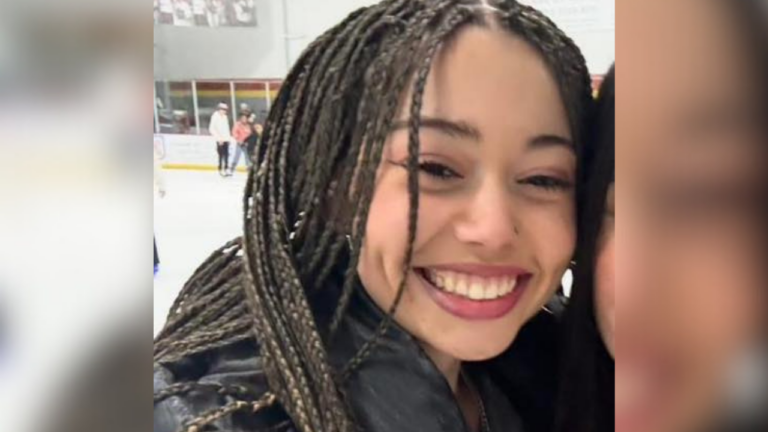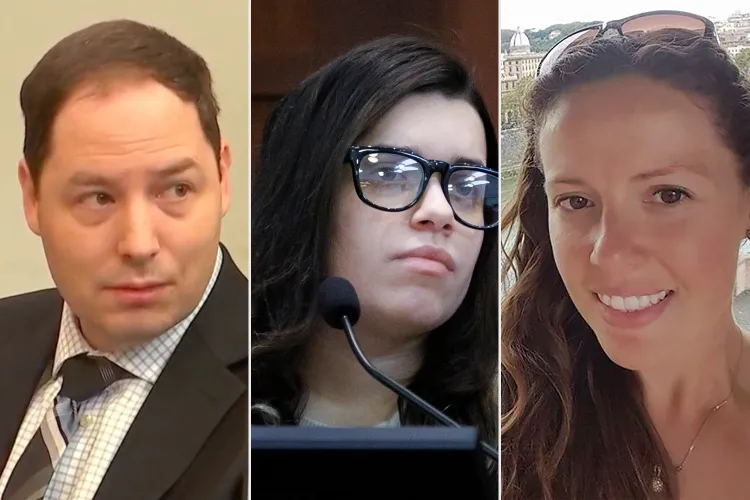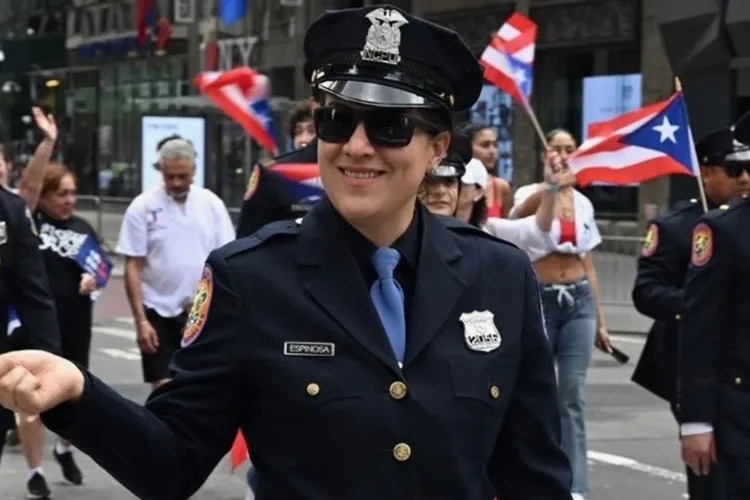
Patricia Espinosa. Credit : Nassau County Police Medic Assoc.
Credit : Nassau County Police Medic Assoc.
On a stretch of road in Suffolk County, a routine drive home turned into a fatal crash that took the life of a respected police officer and mother of two. Off-duty Nassau County officer Patricia Espinosa, 42, was killed when investigators say a suspected drunk driver slammed into her car, leaving her family and department reeling. Her death has quickly become a rallying point on Long Island, where grief, anger, and a surge of public support are colliding around one preventable decision.
Friends, colleagues, and strangers are now trying to make sense of how a woman who spent her career protecting others could be lost in a moment to an alleged DWI driver. As details of the crash, the criminal charges, and Espinosa’s life as a new mom come into focus, the story has shifted from a single tragedy to a wider reckoning with drunk driving and what communities owe the people who serve them.
The crash that shattered a family and a department
Investigators say the collision that killed Patricia Espinosa unfolded on Long Island when a driver suspected of being intoxicated crossed into her path and hit her vehicle with devastating force. The off-duty officer, who was heading through Suffolk County, did not survive the impact, while the man behind the wheel of the other car and his 25-year-old passenger were taken to Stony Brook hospital with injuries that were described as non-life-threatening. For Espinosa’s loved ones, that split-second difference in outcomes is the kind of detail that sticks, a reminder of how arbitrary and cruel drunk driving crashes can be.
Police on the scene described a chaotic, horrific wreck, the kind that instantly tells first responders they are not dealing with a minor fender bender. In early coverage, Suffolk County officials stressed that the driver at the center of the crash is being treated as an alleged DWI offender, a label that carries both legal weight and moral outrage for those who knew the victim. One local broadcast from Long Island captured the raw tone from authorities, who called it a horrific and deadly crash in Suffach County and made clear they believe alcohol played a central role in what happened.
Who Patricia Espinosa was beyond the badge
To the people who worked beside her, Patricia Espinosa was not just a name in a police blotter but a steady presence in the Nassau County ranks. Colleagues have described her as a “cherished colleague” who served her community “with courage and compassion,” a portrait that fits with the way she is remembered in detailed tributes. At 42, she had already built a reputation as someone who showed up for the hard calls, mentored younger officers, and treated people on the street with a mix of firmness and empathy that is harder to teach than any academy skill.
Her identity, though, stretched well beyond the uniform. Espinosa was a mother of two, including a baby who arrived earlier this year, and friends say she was still in that whirlwind season of balancing night feedings, daycare logistics, and shift work. In one remembrance, she is described as a “profound loss” to both her family and the wider community, a phrase that lands differently when you picture the everyday scenes she will miss: school drop-offs, first steps, teenage milestones. A follow-up profile of Patricia Espinosa underscores that dual role, painting her as someone who poured the same energy into parenting that she brought to patrol.
The alleged DWI driver and the early legal fallout
On the other side of the crash is the man authorities say caused it, a driver who is now facing serious charges tied to driving while intoxicated. Police have identified him as Smith, and early reports indicate he was behind the wheel of the vehicle that collided with Espinosa’s car in Suffolk County. According to investigators, Both he and his 25-year-old passenger survived, a detail that has only intensified the sense of injustice among officers who now find themselves mourning one of their own.
Prosecutors have moved quickly to outline a case that centers on alleged intoxication and reckless driving, signaling that they intend to treat Espinosa’s death as the result of criminal choices rather than a tragic accident. Within the Nassau County law enforcement community, there is a clear expectation that the courts will send a message about the cost of getting behind the wheel while impaired, especially when the victim is a public servant. Union leaders and colleagues have been blunt in their language, calling the crash a “senseless act” and urging the public to see it not as a fluke but as the predictable outcome of mixing alcohol and a car, a point echoed in coverage that quotes those words in a piece by Bonny Chu.
A community opens its wallet and its heart
In the days after the crash, grief on Long Island quickly turned into action as friends and fellow officers launched an online fundraiser to support Espinosa’s children. The response was immediate and overwhelming. Nearly $200,000 poured in within a short window, a number that reflects not just sympathy but a collective instinct to step in where a parent no longer can. For a family suddenly facing funeral costs, lost income, and the long-term expenses of raising two kids without their mother, that kind of financial cushion is not a cure, but it is a lifeline.
The fundraiser page reads like a digital vigil, with donors leaving notes about how Espinosa’s story hit them, even if they never met her. Some identify themselves as fellow officers, others as parents who see their own families in hers. Organizers have highlighted that she was a new mom and a dedicated cop, and they have framed the donations as a way to honor both sides of that identity. One update shared an image of Nassau County Police marching in uniform alongside other members of the Nassau County PBA, a snapshot of the life she built before it was cut short and a reminder of why so many people felt compelled to give.
Why this case is hitting so hard
Drunk driving deaths are sadly familiar headlines, but certain cases cut through the noise, and Espinosa’s is one of them. Part of it is who she was: a veteran officer, a mother of two, a woman in her early forties who had already given decades of service and was just starting a new chapter at home. Another part is the sheer preventability of what happened. Reports describing her as a “profound loss” for her department and community, including one detailed piece on Jan remembrances, tap into a broader frustration that, in 2026, people are still climbing into cars after drinking despite rideshare apps, public transit, and decades of public awareness campaigns.
There is also a sense that Espinosa’s death is forcing a fresh look at how communities support the families of fallen officers, especially those killed off-duty in circumstances that are every bit as traumatic as line-of-duty incidents. The surge of donations, the public statements from the Nassau County PBA, and the way her story has traveled beyond New York all point to a hunger to do something tangible in the face of a loss that feels senseless. In that way, the case is not just about one crash in Suffolk County but about how people respond when someone who spent her life running toward danger is taken by a danger she could not avoid, a reality captured in early local coverage that framed her death as a profound blow to the region.
About the Author