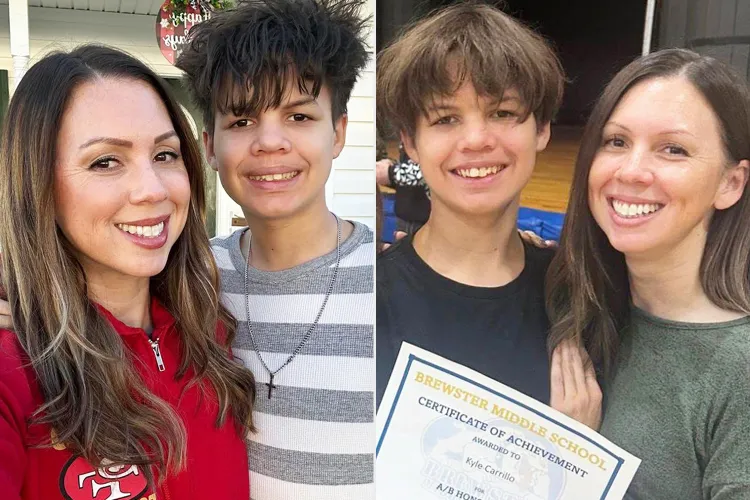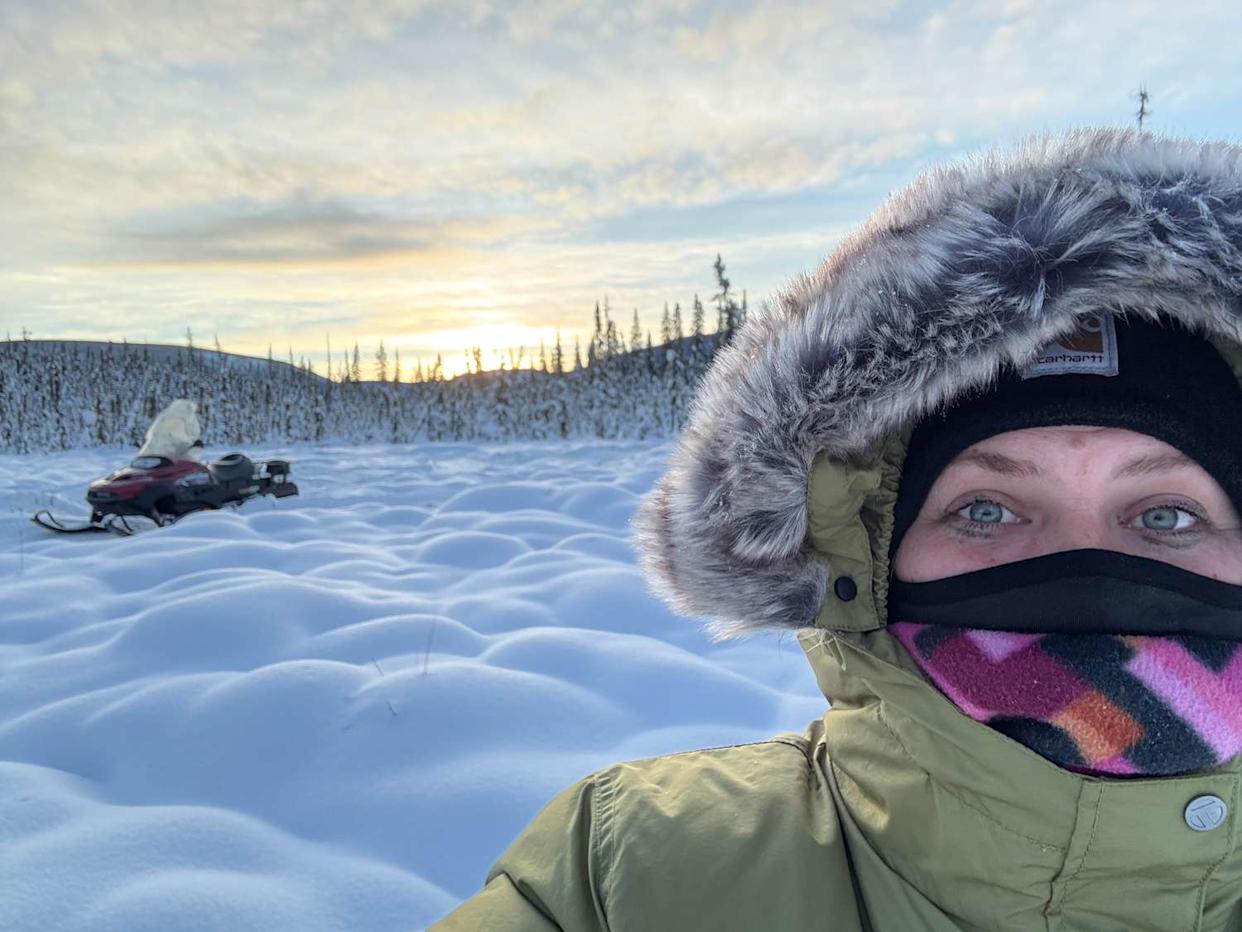
Olivia Jones. Courtesy of Olivia Jones
Courtesy of Olivia Jones
When Olivia Jones packed up her life in St. Louis and headed for a tiny community near the Canadian border, she was chasing something simple: time to breathe. The tradeoff for that slower rhythm is stark, though, and now a basic stock‑up run means driving nine hours each way to reach the nearest Costco. Her story captures the fantasy and the fine print of starting over in rural Alaska, where the quiet is real and so are the logistics.
Jones has become an unlikely guide for anyone daydreaming about a cabin in the woods, sharing the learning curves that came with uprooting her family. The move has reshaped everything from how often she cooks to how her kids see the world, and it has turned grocery shopping into a carefully plotted expedition across mountain ranges.
The leap from city life to the edge of the Yukon
Olivia Jones and her family did not land in Alaska on a whim. They left St. Louis after her husband’s job went remote during COVID, a shift that suddenly made geography negotiable and opened the door to a very different kind of childhood for their kids. Instead of another suburb, they chose Eagle, Alaska, a tiny community bordering the Canadian Yukon where neighbors are few and the nearest big-box store is a road trip away, a move detailed in coverage of Olivia Jones and her family. The choice was rooted in a desire for a slower lifestyle, a phrase that has followed their story from social media clips to national write‑ups.
Back in Missouri, the family’s days were familiar to any urban parent: school runs, quick dinners, and a sense that life was always ten minutes behind schedule. Jones has said she realized she probably cooked only about 85% or less of their meals at home, with the rest outsourced to takeout and convenience food, a reflection she shared while describing how different things feel now that every errand is an ordeal. That specific figure, 85%, has become shorthand for how much their habits have shifted since trading city streets for a gravel road near the Yukon River.
What a “slow lifestyle” really looks like in rural Alaska
The phrase “slow lifestyle” sounds dreamy until you realize it includes a nine hour drive, each way, for bulk groceries. For Jones, that means planning Costco hauls like military operations, timing them around weather, daylight, and the condition of the road that cuts across three mountain ranges between Eagle and the nearest warehouse store. She has described making that trip as a single massive stock‑up, loading the car with staples that have to last for months, a reality captured in reporting on how she now travels those Hours for Costco. The drive is not just long, it is remote, with stretches where there is no cell service and no quick bailout if something goes wrong.
That distance has turned her into a meticulous planner. Instead of grabbing a forgotten ingredient on the way home, she now keeps detailed lists, rotates pantry stock, and thinks in terms of seasons rather than weeks. Coverage of her move notes that back in September she documented one of these marathon runs, explaining how far “away, across three mountain ranges” the store really is, a detail echoed in multiple write‑ups of how Now She Travels for basic supplies. The slow life, in other words, is not lazy; it is deliberate, and it runs on spreadsheets and weather apps as much as on fresh air.
The learning curves, from cooking to kids’ independence
One of the biggest shocks for Jones was realizing how much more she would be cooking. In St. Louis, she estimates she handled roughly 85% or less of their meals herself, with the rest coming from restaurants or quick fixes, a number she has repeated while talking about the shift to near total self‑reliance in the kitchen. In Eagle, there is no delivery driver and no late‑night grocery run, so she now plans menus around what is in the pantry and freezer, a change she has described in detail while reflecting on how Slow their days have become. That means bulk bags of flour, chest freezers full of meat, and a mental inventory of what can be stretched into one more meal if the weather shuts down the road.
The kids have had their own adjustments, but those close to the family say the move has made them more independent and more connected to the outdoors. Instead of malls and playgrounds, their world is the river, the forest, and a tight‑knit community that notices when someone’s truck has not moved in a while. Reporting on the family’s experience notes that “they’re doing one big” grocery run instead of constant small trips, and that the children are learning to pitch in as a result of their move, a dynamic described in coverage of how They’re doing one major haul at a time. Chores now include hauling wood, helping unload those epic Costco runs, and understanding that if something is forgotten, it might be weeks before it can be replaced.
About the Author