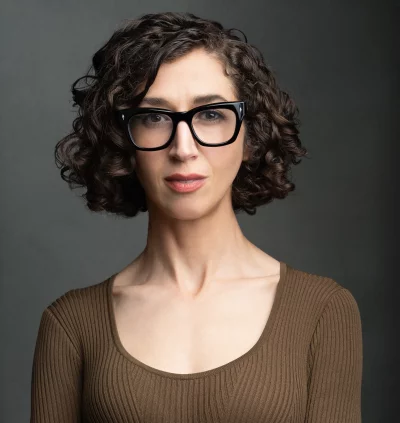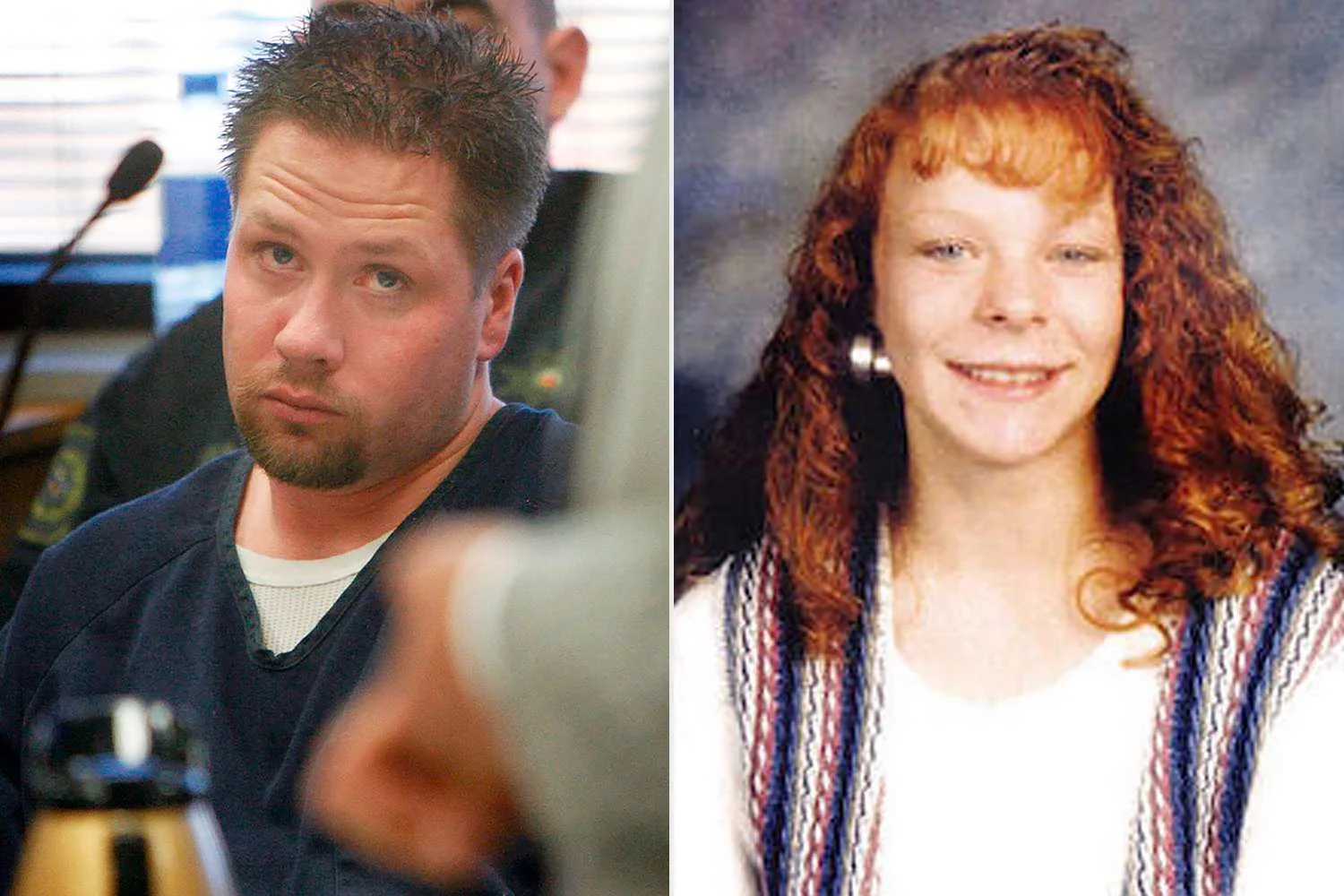
Timothy Olsen in court; Kiplyn Davis AP Photo/Stuart Johnson,Pool; Utah Department of Public Safety
AP Photo/Stuart Johnson,Pool; Utah Department of Public Safety
At a Utah high school in the mid‑1990s, 15‑year‑old Kiplyn Davis walked out to lunch and never came back. Three decades later, the classmate convicted in her death is about to walk out of prison, even though her body has never been found and her family is still begging for answers. The looming release is reopening old wounds in Spanish Fork and raising fresh questions about what justice really looks like when a victim is still missing.
For Kiplyn’s parents and siblings, the calendar has become its own kind of torment, counting down not to a trial or a search effort, but to the day the one man held criminally responsible for her killing gets his freedom. As they brace for that moment, they are also trying to keep the focus on the teenager at the center of it all, not the man who refuses to say where she is.
The Day Kiplyn Vanished And A Case That Never Fully Closed
By every account, the story starts in May 1995, when In May, 15‑year‑old Kiplyn Davis disappeared during the lunch break at her Utah high school and never made it to her afternoon classes. Friends later told investigators she had been seen in the halls earlier that day, but by the time the final bell rang, she was simply gone, and searches of the surrounding Utah fields and canyons turned up nothing, leaving her family trapped in a nightmare with no crime scene and no body to grieve over, as detailed in later coverage. For years, the case sat in that agonizing limbo, a missing‑person file that everyone in town understood was almost certainly a homicide.
It took more than a decade for federal prosecutors to bring a case that would finally name names in open court, focusing on Kiplyn’s classmate Timothy Brent Olsen and a tight circle of teenagers who had been with her around the time she vanished. According to a detailed case history, investigators eventually secured perjury convictions against several men, including Rucker Leifson, who pleaded guilty to one count of lying to a grand jury and received a four‑year sentence, while others such as Gary Blackmore and additional associates were accused of helping cover up what happened. Yet even as those convictions stacked up, the central mystery remained untouched: no one led authorities to Kiplyn’s body.
The Manslaughter Conviction And A Sentence That Is Now Ending
The legal breakthrough came when Timothy Brent Olsen agreed to plead guilty to manslaughter in connection with Kiplyn’s death, admitting in federal court that he had been involved in events that led to her killing. That plea, entered in 2011 according to later family accounts, spared him a potential murder trial but locked in a prison term that would keep him behind bars for years, a deal that prosecutors and The Board of Pardons and Parole hoped might eventually coax him into revealing where she was, as outlined in subsequent parole records. Instead, Olsen stayed silent, leaving prosecutors to rely on circumstantial evidence and the testimony of others to sketch out what they believed had happened to the teenager.
Now that sentence is running out. According to state prison officials cited in recent reports, the man convicted of manslaughter in the Kiplyn Davis case is set to leave the Utah State Prison in Gunnison in February, after serving roughly 50 percent of the maximum time he could have faced under the plea. A separate notice shared with supporters on a dedicated page for the case confirmed that Yes, Timmy Brent Olsen is scheduled for release from the Utah State Prison on February 10, 2026, with administrators noting that Olsen has completed the fixed portion of his sentence and will transition back into the community under standard supervision rules, as the announcement put it.
A Family Still Searching, And A Law Written In Kiplyn’s Name
For Kiplyn’s relatives, the idea that Olsen can walk out of prison while they still do not know where she is feels like a second loss layered on top of the first. Her father, Richard Davis, has spent years talking publicly about the hole left in their family, and in 2024 he wrote a book titled When An Angel Leaves Your Life that lays out the daily grind of grief and the way the case has shaped their faith, their marriage, and their surviving children, as he described in a later interview. One of Kiplyn’s siblings put it even more bluntly, saying they “just want to find my sister,” a plea that has become the family’s mantra as each new development hits the news.
Their fight did not stop at the prison gates. Years into Olsen’s sentence, Utah lawmakers passed a bill directly inspired by Davis’ case, giving The Board more leverage over inmates who refuse to disclose the location of victims’ remains. In a written decision denying Olsen parole under that new law, The Board stated that the victim’s remains have not been located or recovered and cited that ongoing secrecy as a key reason to keep him locked up, according to parole documents. That legal tool bought the family more time, but it could not override the original plea deal forever, which is why the clock has now run out.
Silence, Co‑Defendants, And A Community That Never Got The Full Story
Even as the legal case wound down, the unanswered questions only multiplied. Federal filings and later summaries of the investigation describe a small group of young men who were with Kiplyn around the time she vanished, several of whom later admitted lying to investigators or the grand jury about their movements that day. The same case record notes that Rucker Leifson, for example, pleaded guilty to perjury and received four years in prison, while others, including Gary Blackmore and additional associates, were accused of helping to create false alibis and steer detectives away from key locations in the hours after Kiplyn disappeared.
That pattern of stonewalling has not really changed, even with Olsen’s release date now set. A recent summary of the case pointed out that His refusal to reveal where Kiplyn’s body is has been echoed by four other individuals, naming David Rucker Leifson, Scott Brunson, Garry Blackmore, and Christopher Neal as men who have either lied or stayed quiet about what they know, a silence that has fueled long‑running frustration in SALT LAKE CITY and beyond, according to one account. Local coverage in SALT, LAKE, CITY has repeatedly underscored that the man convicted in the killing of 15‑year‑old Kiplyn Davis will soon go free while her body remains missing, a contrast that has become a kind of shorthand for the community’s sense that the story they were told in court is still incomplete, as noted in recent reports.
Release Day, Public Outrage, And What Justice Looks Like Now
As the release date approaches, the reaction has spilled far beyond Spanish Fork. A post on a page dedicated to finding Kiplyn confirmed again that Yes, Timmy Brent Olsen is scheduled for release from the Utah State Prison on February 10, 2026, and urged followers to keep sharing her photo and story so that the focus stays on the missing teenager rather than the man walking out of custody, according to the post. Social media commentary has echoed that anger, with one widely shared update describing the case as a Utah crime story in which Timothy Brent Olsen, convicted in the 1995 death of 15‑year‑old Kiplyn Davis, is set to be released after serving his sentence even though he has never disclosed where she is, as summarized in a recent update.
About the Author