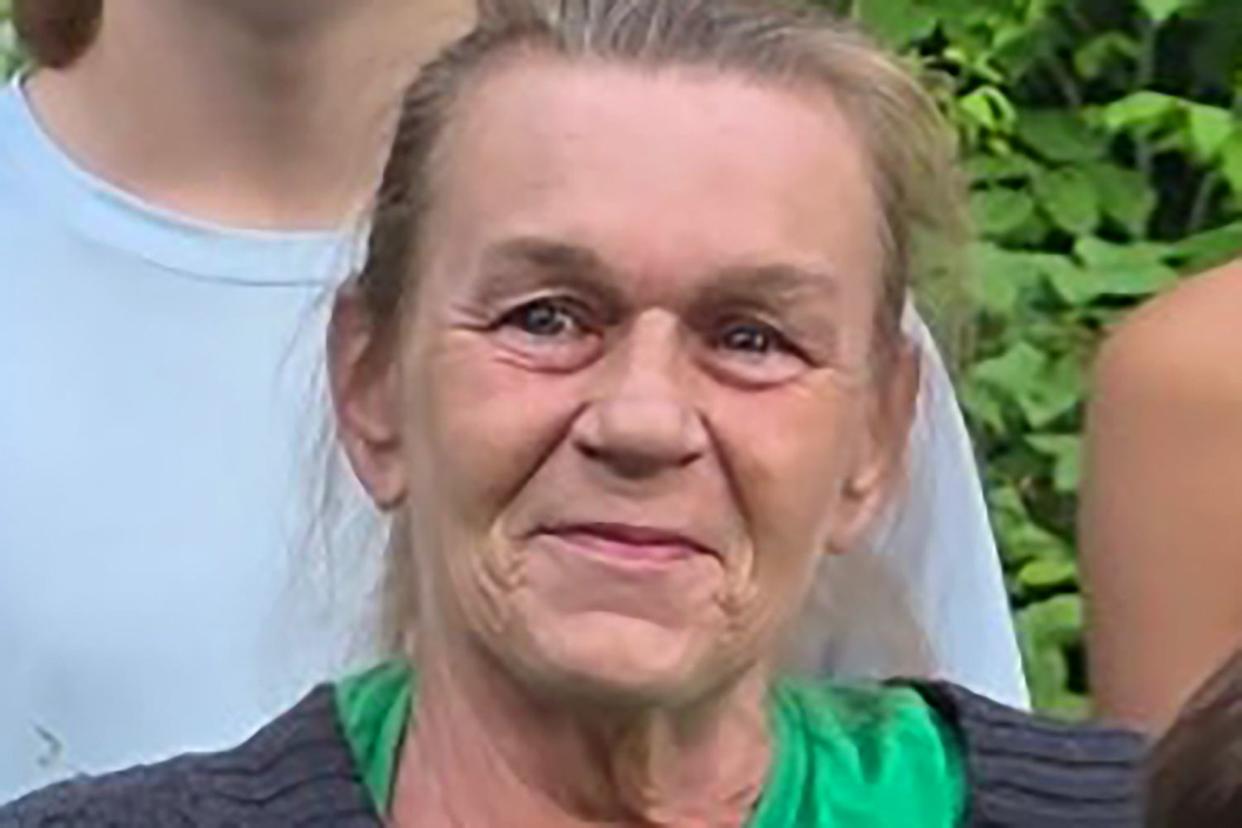
Patricia Kelley GoFundMe
GoFundMe
Neighbors knew her as the one who always picked up the phone, opened the door, and made room at the table. Police say that same instinct to help is what put her in the path of a man she had been trying to support for years, a man who ultimately turned a gun on her and then himself. In a quiet Albany neighborhood, what investigators are calling a murder-suicide has left relatives grieving the “heart of the family” and asking how generosity could end in such violence.
Officers who responded found two people with gunshot wounds, a scene that detectives now believe reflects a long, complicated relationship that mixed loyalty, frustration, and a steady effort to get one struggling man back on his feet. Relatives say she never stopped believing he could change. Police say that on a Tuesday in late Jan, inside a home that had been a refuge, he proved her wrong in the worst possible way.
The Albany home that became a fault line
Investigators in Albany describe a domestic scene that turned deadly fast, with no sign that anyone outside the house had time to intervene. Police were called to check on the residents and found both the woman and the man, identified by relatives as someone she had been helping for years, suffering from gunshot wounds. Detectives say the evidence points to a murder-suicide, with the man killing her before taking his own life, a conclusion that has only deepened the shock for people who saw him as almost an unofficial family member.
Family members say she had been the one who kept trying to pull him back from the edge, offering rides, a couch, and patient conversations when others had given up. That pattern, they say, stretched over years, long enough that her relatives started to worry she was carrying more than her share of his problems. Police believe that on a Tuesday in late Jan, inside the same home where she had tried to steady him, the man she trusted turned the gun on her, a sequence investigators are still piecing together from physical evidence and interviews with relatives who called her the “heart of the family” and the person who never stopped trying to help him get back on his feet.
‘Heart of the Family’ and the weight of helping
Relatives say the woman’s role in the household was not just emotional, it was practical, the kind of quiet labor that keeps a family functioning. She organized rides, checked in on older relatives, and made sure kids had what they needed, which is why they called her the “heart of the family” in the first place. That same instinct extended to the man police say killed her, someone she had known long enough to see both his better days and his worst spirals. She tried to help him find work, pushed him toward stability, and kept opening the door even when his life seemed stuck in place.
Friends say she saw his struggles as something that could be fixed with enough patience and support, not as a threat. Over the years, she tried to help him get back on his feet, offering what relatives describe as a mix of tough love and unconditional backing. According to reporting shared on social media, she had tried to help him get back on his feet for years, only for him to ultimately kill her and then himself. For relatives, that detail is the hardest to sit with, the idea that the person she invested so much energy in was the one who took her away.
Grief, questions, and a community on edge
The case has left relatives and neighbors wrestling with a brutal contradiction: the same generosity that defined her life also exposed her to danger she did not fully see. In the days after the shooting, family members described her as the one who smoothed over arguments and kept people talking, the person everyone called first when something went wrong. Now, they are planning a funeral instead of a family dinner, trying to explain to children why the person they leaned on is not coming back. Police say the working theory is clear, that the man killed her and then himself, but the emotional math for those left behind is anything but settled.
For people in the neighborhood, the violence has also raised hard questions about how to balance compassion with self-protection when someone is in crisis. Advocates who work with families in similar situations say it is common for one relative to become the default fixer, the person who keeps giving second chances. In this case, investigators say the pattern stretched over years, with the woman repeatedly trying to help the man stabilize his life before he ultimately killed her and himself, a sequence outlined in police accounts of the murder-suicide. The result is a community that now looks at familiar front doors a little differently, aware that the hardest battles can be unfolding quietly on the other side.
About the Author