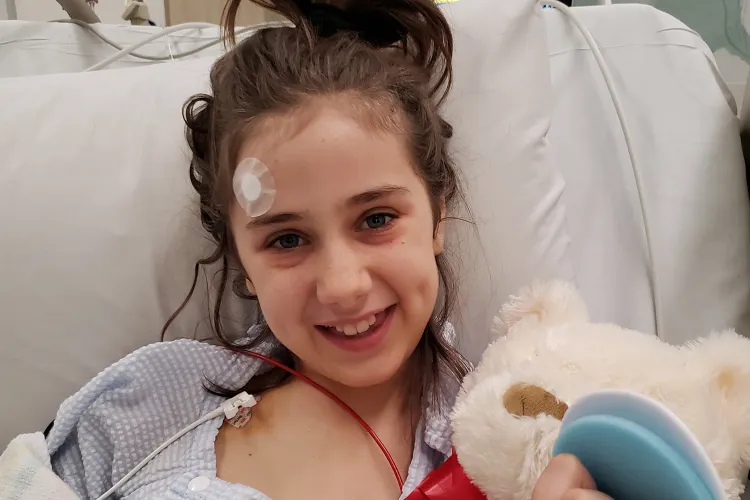
Photo by Jordyn St. John
Friends and family in California are mourning the loss of beauty queen Andrea Andrade, who died at 35 after nearly a decade living with colon cancer. Her story is heartbreaking, but it is also a sharp reminder that a disease often branded as “older people’s cancer” is showing up in younger adults who are working, raising kids, and planning long futures. As loved ones remember her grace and grit, doctors say her experience fits into a larger and deeply worrying shift in who is getting sick.
A life cut short, and a diagnosis that came too young
Andrea Andrade built a life in CALIFORNIA that looked, from the outside, like a modern fairy tale: pageant stages, community events, and a tight circle of family and friends who watched her chase big goals. That image collided with reality when she was told she had stage three colon cancer in her mid‑20s, a moment that forced a young woman used to planning outfits and appearances to start planning treatment schedules instead. According to reports, the CALIFORNIA beauty queen was just 35 when she died on January 16, nearly nine years after that first diagnosis.
Those close to her say Andrea Andrade refused to let the disease fully define her, even as it shaped almost every decision she made. She kept working, kept showing up, and kept leaning into the pageant world that had given her a platform long before she ever sat in an infusion chair. Coverage of her death notes that the California beauty queen, aged 35, lived for nearly a decade with colon cancer after that stage three diagnosis, far outlasting the grim timelines she was initially given. For her husband and family, that extra time was a gift, but it came with the constant weight of scans, surgeries, and the knowledge that every “all clear” might be temporary.
What her story says about colon cancer in younger adults
Andrea’s age at diagnosis is not just a tragic detail, it is part of a pattern that has cancer specialists worried. Colorectal cancer used to be something doctors mostly watched for in people in their 50s, 60s, and beyond, but in exam rooms across the United States, more patients in their 20s, 30s, and early 40s are now hearing the same words she did. Research tracking early‑onset cases between 2010 and 2021 has pushed groups like the American Cancer Society to rethink when screening should start, and the American Cancer Society now reflect that shift by lowering the recommended age for routine checks in average‑risk adults.
Doctors are still piecing together why younger bodies are being hit harder, but they are not starting from scratch. Studies looking at the gut microbiome, diet, stress, and race suggest that what people eat, how they live, and the communities they grow up in all interact with the bacteria in their intestines in ways that can either protect or harm the colon. One case–control analysis, which drew on data from the Centers for Disease about colorectal cancer risk, points to lifestyle patterns and chronic stress as part of the picture, layered on top of genetics and other medical conditions. For patients like Andrea, who did not fit the old stereotype of a typical colon cancer patient, that evolving science is a reminder that the disease is no longer confined to one age bracket or body type.
The everyday choices that can shift risk
Andrea Andrade did not choose her diagnosis, and nothing about her story suggests she did anything “wrong.” At the same time, her death has renewed attention on the habits and exposures that experts say can tilt the odds, even if they cannot guarantee protection. Cancer researchers have mapped out a set of modifiable risks that show up again and again in the data, including Smoking, Being around secondhand smoke, and Overweight and obesity. Those factors do not act in isolation, but they help explain why two people with similar family histories can face very different odds over a lifetime.
Public health agencies have tried to translate that science into everyday advice that feels doable rather than overwhelming. The What section of federal cancer guidance, for example, highlights how cutting back on processed meat, moving more, and managing long‑term stress can support a healthier gut environment, which in turn may lower colorectal cancer risk. For younger adults who see themselves in Andrea’s age group, the most practical takeaway is not to panic, but to pay attention: know family history, take persistent symptoms seriously, and talk with a clinician about whether earlier screening, guided by the updated Available guidelines, makes sense. Andrea Andrade’s life was about far more than her illness, yet the way she navigated nearly nine years with colon cancer is already pushing more people to ask harder questions about their own health, and to push for answers sooner rather than later.
About the Author